Culture and People
HAB-py tails: How pets create belonging, improve retirement, and help IPV survivors heal
Supporting and strengthening the human-animal bond is a major reason for veterinary professionals to choose this field. That’s why each month, we’re rounding up a few fantastic examples of just how powerful that bond can be.
Advertisement
Veterinary medicine is both incredibly rewarding and wildly challenging—so it’s nice to have a reminder, now and again, of what drew you to the field in the first place, right?
Supporting pets and the people who love them is a crucial way veterinary professionals help strengthen the human-animal bond (HAB). To make sure those of you doing this work every day have an easy time remembering just how important that work is, we’re sharing some HAB insights that we hope brighten your day.
(Got a suggestion for a story to include in our next HAB-py tails round up? Send it over to [email protected]!)
Hounds around the neighborhood
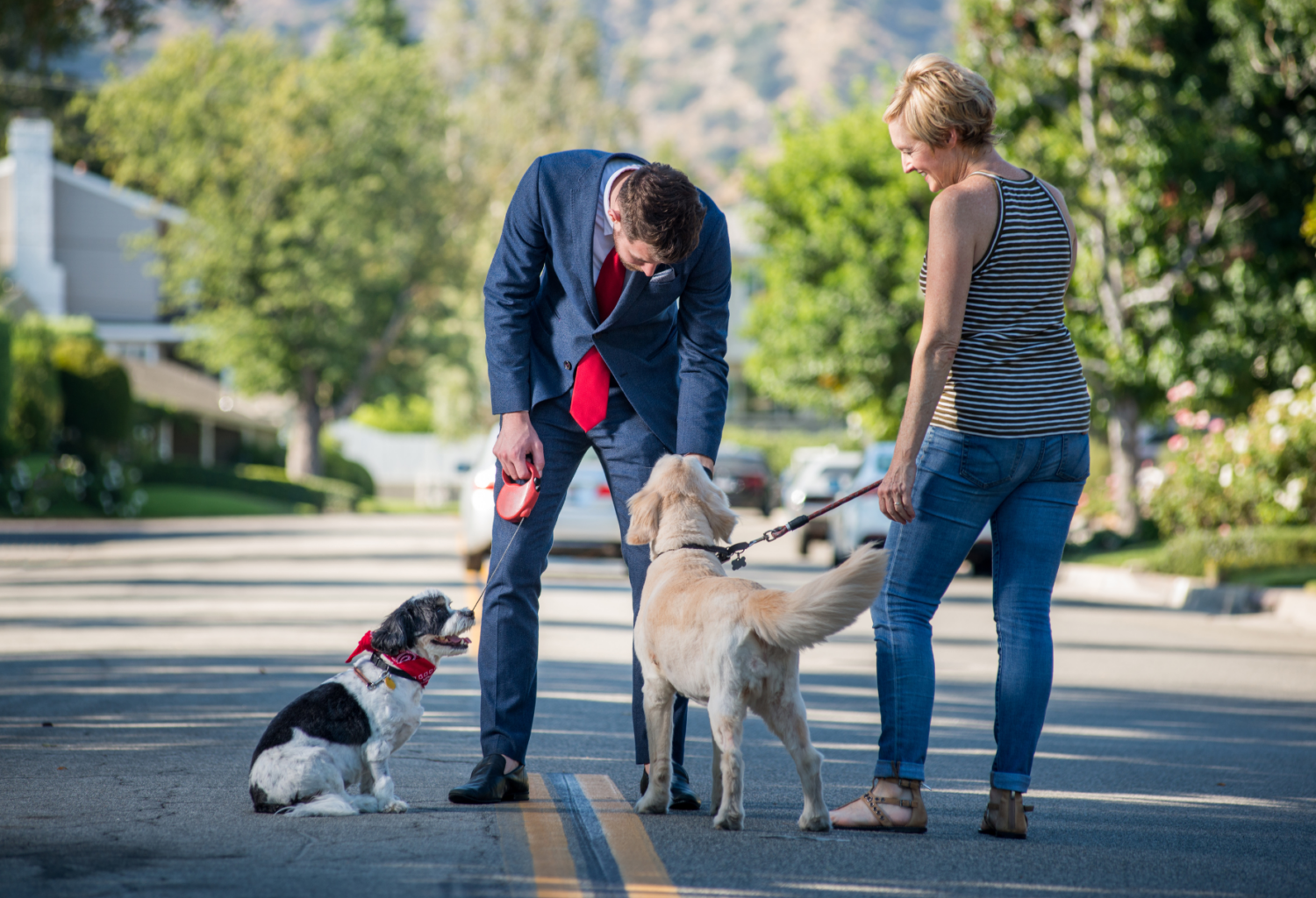
Walking your dog regularly comes with a host of benefits—many of which are pretty obvious. It gets you off the couch and moving, helps you get in more steps, and provides a nice bonding opportunity with your pup. However, according to a new Japanese study, walking the dog may also provide people with a deeper sense of connection and belonging to their neighborhood.
Essentially, those daily walks lead to casual, often brief, interactions with familiar faces. It’s more meaningful than an incidental encounter but doesn’t reach the realm of an intimate friendship. And those predictable, friendly encounters make a difference in our wellbeing, as many people realized during the pandemic when they were cut off from those types of interactions.
Could you get the same effect from regular daily walks without a dog? According to the findings, probably. But come on—roaming your local streets is far more fun with a canine sidekick!
Research on retirement with pets
With that in mind, let’s talk retirement! Not only does having a pet provide proven health benefits (lower stress, better controlled blood pressure, reduced risk from cardiovascular disease, and more), but that sense of connection mentioned above? That’s huge for those leaving the workforce.
Recent research has shown that taking part in social activities (like joining a club or chatting with neighbors while walking your dog) is an indicator of a reduced risk of death for individuals aged 60 and over (when compared to peers who are not socially engaged).
But the benefits don’t stop there. Having a pet also helps to create structure and purpose, which is particularly important for retirees who have long tied their schedules (and/or self-worth) to their careers. Nothing adds meaning to one’s day like caring for someone who needs you, and when you add that to a structured routine, well, caring for a pet provides many of the benefits of working, but without the grind!
Treating trauma
How, exactly, does the human-animal bond function in households impacted by intimate partner violence (IPV)? An 18-month mixed-methods study at the Jonathan and Karin Fielding School of Public Health at the University of California, Los Angeles, will look at how the bond supports IPV survivors. The study, funded by Purina, will also look into how such an experience affects the welfare of the companion animal.
The grant aims to provide evidence-based insights into how pets can help these survivors in their healing process—without causing negative impacts to the pets themselves. Survivor interviews, informant insights, and a survey of around 1000 California residents who’ve experienced IPV will shape the study.
Photo credit: Spiderplay via E+/Getty Images
Disclaimer: Trends content is meant to inform, educate, and inspire by providing an array of diverse viewpoints. Any content published should not be viewed as an official stance, position, or endorsement by the American Animal Hospital Association (AAHA) or its Board of Directors.
