Behavior
Help! I love my new shelter dog, but this is harder than I thought

Practical advice from a veterinary technician and dog trainer on getting your clients through the pain points of adopting a new dog.
Advertisement
Bringing a shelter dog home to join the family is a wonderful feeling. But whether your clients adopt a puppy or an older dog, a purebred or a Heinz 57, welcoming a new dog into the home is bound to come with some road bumps along the way.
Clients often have expectations that the dog doesn’t know how to, or isn’t capable of, meeting. For example, a family may end up with a dog who is timid or reactive, which conflicts with their plans for outings and activities. Or a client with a sedentary lifestyle may adopt a dog with high activity requirements that cause issues when those needs aren’t met. This can lead to frustration and possible rehoming or relinquishment of the dog. But with these practical strategies from a veterinary technician with 20 years of dog training experience, your team can help clients get through the bumpy points of integrating a new dog into the family and keep dogs in loving homes.
Understanding mismanaged expectations
Leanne James, LVT, ABC-DT, CPDT-KA, IAABC-ADT, Fear Free & Human-Animal Bond Certified, is the founder and owner of Evolution Dog Training in Las Vegas, Nevada. When clients run into tough times with their dogs, she suggests starting from a place of empathy.
“I don’t know that I’ve ever come across a dog owner, be it in the veterinary sector or the behavior sector, that didn’t have some kind of buyer’s remorse or adoption guilt… because we have this beautiful social media perfect idea,” she said. “And often it comes with a whole lot more work and effort [that is], of course, worth it. But ultimately, it’s harder than we thought.”
Mismanaged expectations, where clients think a dog should behave or learn in a certain way, are a common issue and can contribute to dogs being returned to shelters, rehomed, or euthanized. Previous studies have established a connection between unmet expectations and relinquishment of dogs.
A 2024 study of dog caregivers in the United Kingdom found that discrepancies between expectations and reality included:
- The amount of time and effort it took to care for the dog and meet their everyday needs,
- Understanding the dog’s behavior, temperament, and abilities, and
- The impact on the caregiver’s emotional health and wellbeing, especially in reference to training and/or problematic behaviors of the dog.
On the plus side, many caregivers in the study also expressed surprise at the depth of emotional attachment and bonding that occurred between them and their dogs—the “worth it” part that James spoke of.
Acknowledging previous emotional attachments
In addition to the above factors, some clients may expect their dog to act in a certain way or have specific personality traits based on their experience with a former dog. They may even seek out dogs that look similar, without realizing the variability of individual traits and behaviors. It can be an easy trap to fall into, especially if there was a strong emotional attachment to a previous dog.
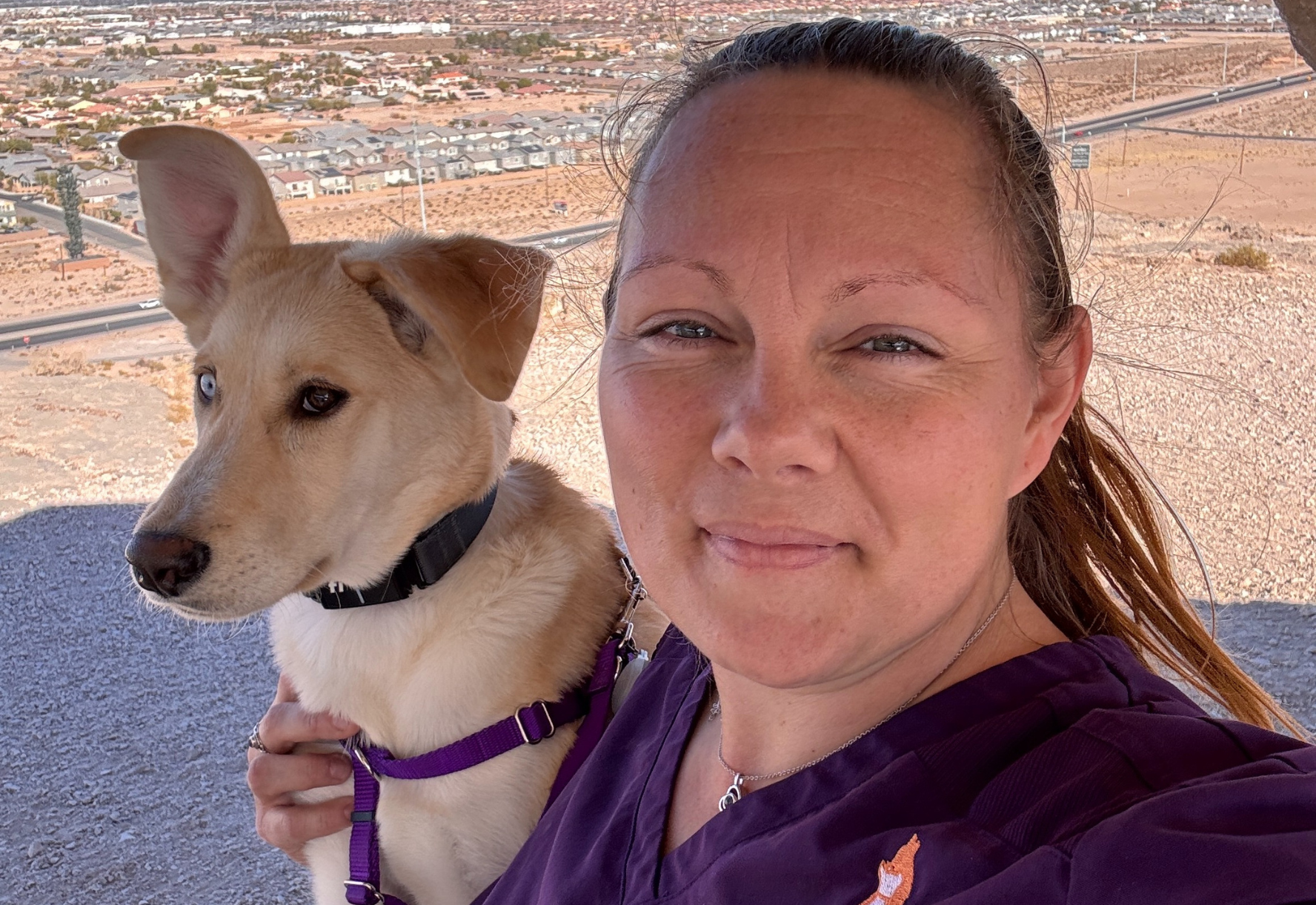
James understands firsthand how dog caregivers can be caught off guard by unrealistic expectations when she recently decided to add a new canine family member. With 20 years of experience in dog training and veterinary medicine, James began her search armed with a list of criteria and a commitment to look until she found a dog that met her family’s needs.
After a few weeks of searching, she saw Willow on a rescue website, who resembled her previous dog, Kayla. “She was my heart dog,” James said. “I only had her a couple of years, but I really wanted a dog that looked like her, and Willow looks a lot like her.” Willow also met her list of requirements: young, friendly, good with children, and medium sized with a short light-colored coat for the desert climate.


But James was surprised at how challenging Willow’s behavior and training proved to be when Willow turned out to be very reactive to other dogs. “Though I had my little checklist and a healthy understanding of being objective, I still was not prepared for the dog that she is,” she recalled. “I wasn’t expecting myself to not enjoy it. That was a shock to me. I can empathize directly with all of my clients that are struggling because I’m living it. I mean, we’re getting there, but I lived it and it’s very visceral.”
Practical tips to help clients struggling with a new shelter dog
James’ bond with Willow continues to grow and strengthen, though it took effort to get to that point. Based on her experiences, James offers some practical advice for veterinary teams to help clients who are similarly struggling.
Prioritize understanding before tasks
According to James, understanding canine body language and communication is the foundation of successful integration into the home. It’s important to understand what everyone’s needs are, but people tend to skip ahead to tasks like obedience commands or learning to heel on a leash. James also sees new dog caregivers who feel pressured to make sure everything is perfect right away and then feel discouraged when training isn’t going as expected. This can lead to frustration on the client’s part and lack of learning on the dog’s part.
This doesn’t mean caregivers don’t set boundaries. Potty training, teaching them where they can eat and sleep, and letting them know they can’t jump on people are all important environmental skills to set dogs up for success, said James. But other than that, “relax with your dog, take it easy the first couple of weeks and really don’t plan on them being the same dog in a couple of months.”
Focus on relationship building and environmental skills
Clients may not be aware of the time it takes for dogs to become comfortable in their new environments. The 3-3-3 rule applies: 1) for the first 3 days, create a safe space and allow the dog to adjust to a new environment; 2) for the next 3 weeks, focus on the basics, positive reinforcement, and bonding; 3) for the next 3 months, solidify the routine as dogs begin to understand and get comfortable in their new home.
James noted that adjustment times vary for individual dogs, and not every dog follows the same timeline. She generally recommends minimal training during the first week and emphasizes the importance of encouraging clients to relax with their dogs and engage in enjoyable and trust-building activities. Tell them to “hang out with your dog, get to know them,” she said. “Give them food. Get their needs met. Show them where to potty, show them where to sleep, show them where to eat. Show them some new toys.”
She also cautioned against overloading new dogs with too many stimuli. Clients may want to start taking their dogs out right away, but, according to James, this can be stressful and can even cause some dogs to shut down. “Don’t bring them everywhere, don’t have everybody come to your house. Don’t do anything overly exciting or overstimulating. Just literally chill with your dog for about a week or so.”
Schedule dedicated appointments for behavior concerns
Doing this early in the process can help address clients’ realistic vs unrealistic expectations. According to James, it’s important for clients to understand that a dog’s behavior and personality in a shelter or rescue environment may change markedly once they’re acclimated to their home. Even being a certain breed doesn’t guarantee a dog will behave in a certain way. Many people also don’t understand the level of commitment needed to meet the physical and psychological needs of dogs.
“It’s really hard,” said James. “People have this misconception that dogs already know what to do. I think people think that dogs already know how to fit into a household, because of course, they’ve lived with us for thousands of years, but that’s not necessarily the case.” Paying attention to behavioral concerns early on and scheduling dedicated time to address those concerns can help clients feel supported and potentially keep dogs in homes.
Reach out to local resources
James acknowledged that time is short in veterinary clinics, and some clients may need more ongoing support. She recommends leveraging resources both within and outside of the clinic to meet clients’ and dogs’ needs. For example, veterinary technicians with an interest and education in behavior cases can help develop plans, check in with clients on their progress, and be available to answer questions and address concerns.
Community resources, like humane and force-free trainers, can provide additional support outside of the veterinary clinic. Because dog training is not a regulated profession, James emphasized the importance of knowing who you’re referring to. She recommends meeting the trainer first, having a conversation, and learning about their methods and credentials before referring to them. Although it takes time and energy to screen resources, James cautioned that sending a client to an unvetted trainer can reflect badly on the clinic and impact the client’s trust in the veterinary team. Improper training techniques can also harm the dog. This veterinarian-specific resource from the American College of Veterinary Behaviorists details criteria for selecting a trainer to work with.
“I know humane credentialed trainers are eager to partner with veterinary teams, and I’ve seen some great things come out of these collaborations,” James said.
Referral to and/or consultation with a board-certified veterinary behaviorist is always also an option.
Trust the process
Veterinary teams that are attuned to a client struggling with a newly adopted dog can offer support and solutions before mismanaged expectations lead to relinquishment or euthanasia. But understanding how mismanaged expectations may present in an examination room, considering the perspectives and limitations of both client and dog, and encouraging clients to take things slowly with their new dogs can promote a smoother transition.
If the issues are outside the scope of the practice and/or clients need more support, offering referrals to local resources, like humane force-free trainers, can provide additional options. By cultivating an awareness of the frustrations new dog adopters may be experiencing, veterinary teams can help them through the rough spots so they can enjoy the myriad benefits of dog companionship.
Photo credit: © Leanne James
Disclaimer: Trends content is meant to inform, educate, and inspire by providing an array of diverse viewpoints. Any content published should not be viewed as an official stance, position, or endorsement by the American Animal Hospital Association (AAHA) or its Board of Directors.
