Culture and People
How AI facial recognition is bringing lost pets home
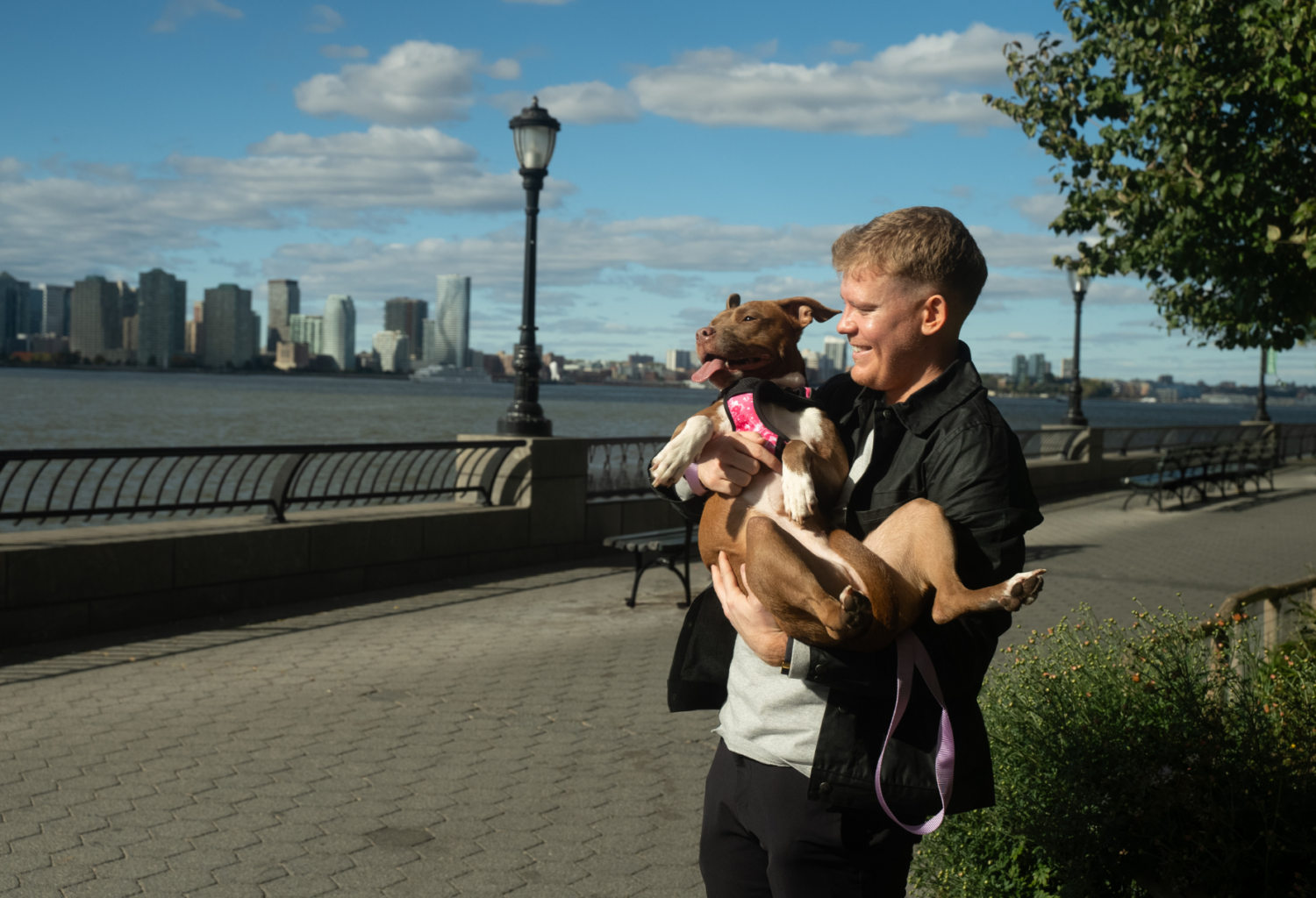
Petco Love Lost’s massive database and AI facial recognition technology is making it easier than ever for lost pets to reunite with their families. And veterinary professionals have a unique opportunity to both spread the word and lend a hand the next time a pet goes missing (or is found and brought to the clinic for a microchip scan).
Advertisement
How many calls and emails do you get about lost pets? And how often do folks bring a found dog into your clinic for a microchip scan and lookup?
The fact is, around 10 million pets go missing every year in the United States alone. Those with microchips and ID tags are often found and returned to their families. For those who aren’t chipped or tagged, it’s a different story. According to the AVMA, only about 22% of unchipped lost dogs who landed in the shelter were reunited with their families (as opposed to more than 52% for those with microchips). For cats, those numbers looked even worse—just 2% of those without chips and 20% with chips made it home.
But there’s good news on this front, and it comes in the form of AI facial recognition technology—and a comprehensive database built by Petco Love Lost, which recently celebrated its 100,000th confirmed reunion.
What is Petco Love Lost?
The Petco Love Lost database includes photos from nearly every major animal shelter (over 3000 of them) in the United States, photos of pets posted on Nextdoor, Neighbors by Ring, and photos shared directly to their platform. “It’s Petco Love Lost’s mission to function as a single, consolidated database of lost and found pets,” said Abbie Moore, Chief Operating Officer of Petco Love. She not only oversees Petco Love Lost but has worked in the animal welfare technology space for over 20 years.
The database has only been around in its current incarnation for a few years, after acquiring a piece of technology called Finding Rover, Moore said. “Finding Rover was really the first to use image recognition technology in this particular space,” she added. Since acquiring the product, they’ve made major changes to the platform and user experience while maintaining the same basic concept.
“We’ve just expanded the vision to uniting all the different sources of lost and found pet data into one central database, using the image recognition to make instant matches between pets posted as lost and pets posted as found, no matter what platform they were posted on, or what animal welfare organization is caring for them,” Moore said.
Clearly, it’s working. While the organization is certainly celebrating 100k confirmed reunions, Moore said they believe the true number is much higher. “We’re only counting a ‘confirmed’ reunion when the person who posted the pet(s) comes back and manually clicks on a button that tells us their pet was reunited and that Petco Love Lost was the reason why. We suspect we’re only getting about a third of reunions confirmed, so we know we’re actually making a much bigger impact,” she said.
How does it work?
There are two angles to how this database and AI facial recognition technology help lost pets find their way home. First, the lost pet’s picture needs to make its way into the database—and this can happen in several different ways.
“In the case of animal welfare organizations, they usually connect their shelter management software directly to Petco Love Lost, which means the pets in their care are automatically added and deleted,” Moore explained. That means that, if a lost pet is taken to a participating shelter, that pet will be added to the database quickly and seamlessly.
Additionally, she said, they work similarly with the folks at Nextdoor and Neighbors by Ring, “and we’re all proud of our partnership. It’s truly a testament to how much they care about serving their communities,” she said. “We’re fortunate to be working with other forward-thinking technology leaders who want to make an impact together.”
But what about the people who lost the pet, and veterinary teams who either take in a lost pet or want to help their clients find a missing animal?
“First, anyone can search Petco Love Lost for free by uploading a single photo of the lost or found pet,” said Moore. “Our AI technology then instantly compares that photo to photos of all the pets in the database and displays all the potential matches.”
They’ve also taken steps to bring veterinary clinics into the mix. “We’ve interviewed hundreds of people who have lost or found a pet, and one of the most common actions folks take, after searching the neighborhood and posting online, is to contact local veterinary offices,” Moore said. “We know that veterinary providers want to be able to help their patients and their greater communities, and just recommending Petco Love Lost is a really easy way for them to provide that help and support.”
The service is completely free to use. “Also, we protect folks’ personal data very carefully,” said Moore. “We want everyone to feel safe looking for their lost pet or trying to help a pet they found!”
How accurate is the AI’s identification?
We all know how hard it can be to pick out a picture of your black cat from a picture of other black cats—so how accurate is this facial recognition when it comes to bringing up the right pet?
Probably more accurate than you think, according to Moore.
“When someone searches for a lost or found pet, they’ll see a page of search results that the system believes are possible matches, with the highest probability matches at the top. Even with black cats or, say, huskies, the right pet will appear in the top one or two rows of matches. It’s fairly astounding,” she said.
But wait—there’s more. “As great as it already is, we’re about to launch a totally new version of the machine learning that is truly mind-blowing in its accuracy. It matches photos based on up to 512 different data points!” Moore said. “As AI evolves, Petco Love Lost will just continue to get better and better.”
Does Petco Love Lost have any tie to microchips?
This is not a competing technology; in fact, Moore said that Petco Love Lost can actually help microchips work even better, in a way.
“We all know that microchips are incredibly reliable, but getting people to register their pet’s microchip and keep the associated contact information up to date is a real problem,” she said. “Until now, an unregistered microchip was all but useless. But because people can search by microchip number on Petco Love Lost, even if that microchip has never been registered, we can still make a reunion based on microchip.”
Imagine for a moment that your dog goes missing. You have his microchip number from his adoption or veterinary paperwork. “You can enter that number into Petco Love Lost,” Moore said. “Then, if your dog is found and scanned, and the finder enters the microchip number into Petco Love Lost—bingo! We’ve made a match from the microchip number, and your dog comes home.”
Where is it available?
The entire United States has free access to Petco Love Lost. Because it integrates with so many animal shelters and other platforms, and because the service ranks high in Google searches about finding a lost pet, Moore said it’s proven to be effective everywhere (as evidenced in Michael and Millie’s story).
Michael and Millie’s story
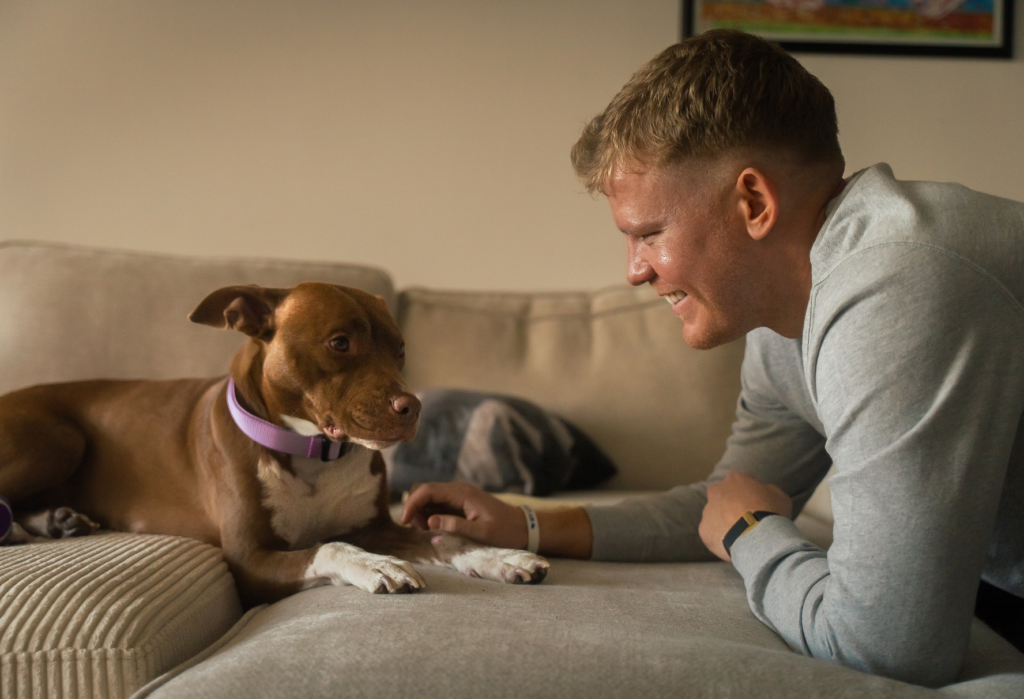
Last September, a pet parent named Michael left his dog, Millie, with a good friend while he attended a family reunion. During an evening walk in New York’s East Village, Millie became spooked, slipped her collar, and ran off.
Michael immediately returned home and looked for Millie until 2 a.m., with no luck. Fortunately, he went onto Petco Love Lost the next morning—and, well, you can see how it worked for yourself below.
Timeline:
- September 12th at 8 p.m. – Millie gets lost in New York City.
- September 13th at 5:58 a.m. – Staff at vet’s office reported pet was found and uploaded Millie’s photo and microchip information to Love Lost.
- September 13th at 9:34 a.m. – Mike created a Love Lost account and filed a lost report for Millie with microchip info and her photo.
- September 13th at 9:35 a.m. – Mike received an image match from Love Lost.
- September 13th at 9:36 a.m. – Mike received a microchip alert email from Love Lost.
- September 13th at 9:36 a.m. – Mike sent a message to vet’s office saying, “that’s my dog” and gave them his phone number.
- September 13th at 9:50 a.m. – Vet’s office staff called him to tell him they have Millie.
- September 13th at 10:43 a.m. – Millie is reunited with Michael at the vet’s office.
- Total time it took to reunite Millie with Mike across two states (New York and New Jersey) via Love Lost: 14 hours, 43 minutes.
Michael learned that Millie had run about 10 miles, to Harlem, where she was hit by a car. Fortunately, a kind soul saw her, stopped traffic to retrieve her, and took her to an emergency vet in Paramus, New Jersey, where she was treated for cuts, scrapes, and a leg injury from running. A staff member uploaded her photo and her microchip information to Petco Love Lost, listing her as “found.” And before long, Michael and Millie celebrated their own little family reunion.
“It was quite a nightmare. We are both fine now that she’s okay, but it’s just me and her, we’re very attached,” said Michael. “Love Lost helped me find Millie. It was fantastic. I had never heard of anything like that technology. It couldn’t have worked better.”
Photo credit: Petco Love Lost
Disclaimer: Trends content is meant to inform, educate, and inspire by providing an array of diverse viewpoints. Any content published should not be viewed as an official stance, position, or endorsement by the American Animal Hospital Association (AAHA) or its Board of Directors.
