Culture and People
How My Grandfather’s Cat helps pets thrive through life’s transitions
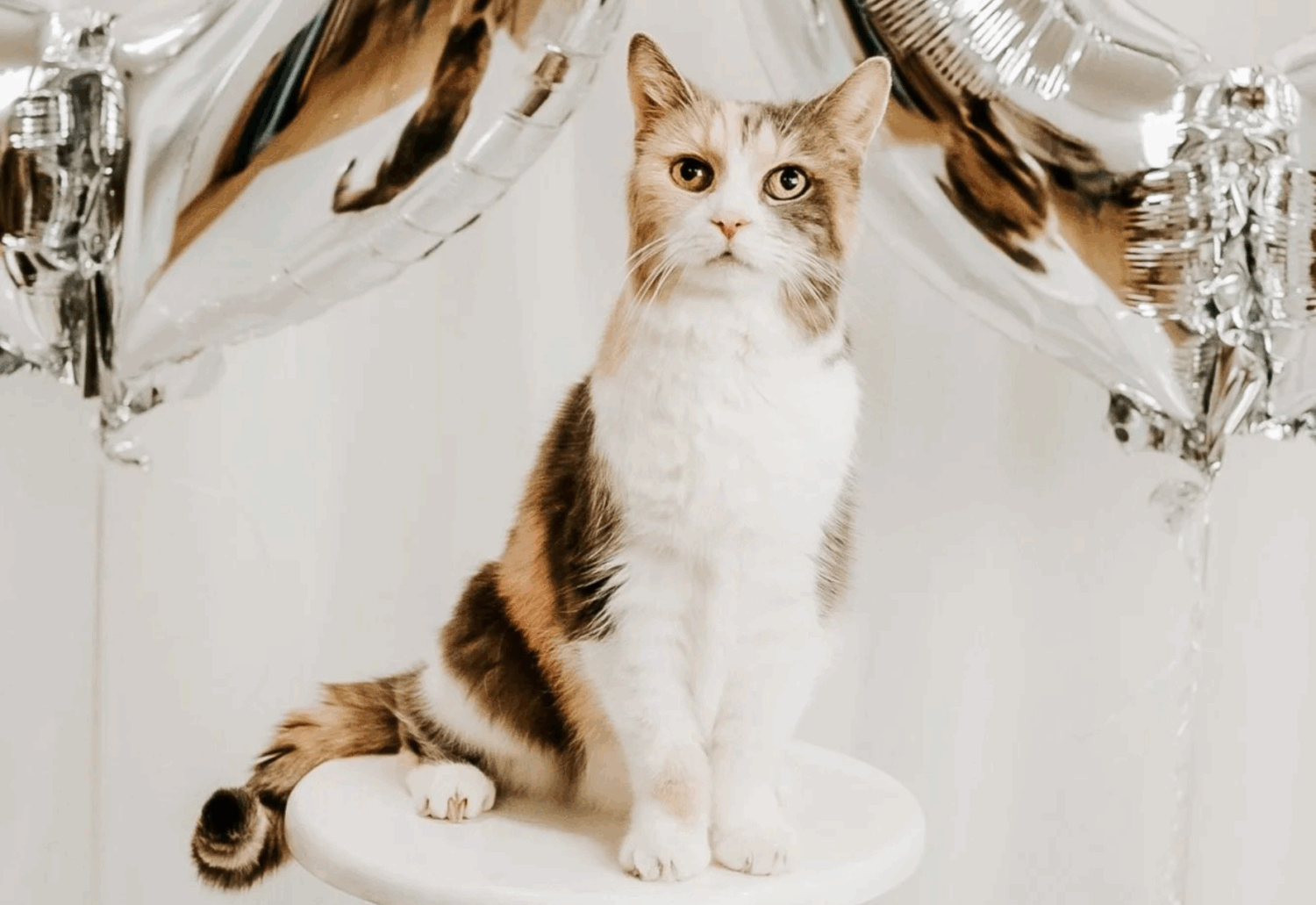
My Grandfather’s Cat is a Canadian charity that helps pets thrive when their lives become upended by loss and transitions.
Advertisement
Nobody wants to entertain the idea of giving a beloved pet away for any reason. But for seniors and terminally ill individuals, the topic is one that must be considered and discussed. For Angela Rafuse, founder and CEO of My Grandfather’s Cat, a Canadian nonprofit that offers adoption services to senior and terminally ill pet owners, choosing to adopt her grandfather’s cat, Mackenzie, when her grandfather passed, sparked a calling to end-of-life planning.
MGC’s origin story
“My Grandfather’s Cat is a registered Canadian charity inspired by my experience adopting my grandfather’s cat, Mackenzie, when he passed away,” Rafuse said. “Knowing the only option was to adopt her or take her to a shelter, I chose to adopt her. Through the process, I realized I had the skills to create a service to help, so I launched My Grandfather’s Cat on May 18, 2021, my grandfather’s birthday.”
Rafuse was 26 when she launched her nonprofit from her parents’ basement in Nova Scotia. Today, My Grandfather’s Cat has helped nearly 1,000 cats and dogs find loving homes (without needing to go to a shelter) after their owners move to retirement homes or sadly pass away. Additionally, Rafuse launched a pet pantry last year, which helps provide food for pet owners in need.
“After learning that many seniors are being forced to give up their animals due to the rising cost of pet food, we launched our second initiative, My Grandmother’s Pet Pantry, which provides 150 seniors each year with $200 worth of pet food and supplies shipped directly to their door. We launched this program on February 20, 2024, my grandmother’s birthday.”
Planning for end-of-life transitions
Rafuse’s experience with Mackenzie helped her understand the logistics of planning for the passing of loved ones. And although veterinarians often handle end-of-life care for pets, death and illness are still often taboo topics in society, especially on the human side of healthcare and loss. Even so, it’s not uncommon for people to plan arrangements for their pets toward the end of their life, but pet ownership in the aftermath can sometimes be complicated—especially when Plan A falls through.
“Many people plan for their animals, such as asking their son or daughter to care for their animal in the event they pass away,” Rafuse said of end-of-life planning. “While often these plans work out, sometimes an animal doesn’t fit in a new household, often because they don’t get along with children or other animals.”
That’s where My Grandfather’s Cat steps in, offering their services to ensure loving homes to pets who are left behind. Although MGC is not available in the United States, American veterinarians can still learn a lot about how pets navigate these tumultuous transitions from Rafuse as well as from Kayla Hyland, DVM, a Certified Hospice and Palliative Care Veterinarian with specialized training in pet bereavement and pet loss who volunteers with MGC.
Hyland notes that although some pets adjust to new homes and owners better than others, veterinarians can play a key role in helping both pets and their new families adapt to changes that come with the passing of a loved one. Veterinary professionals also have a unique lens on animal behavior and how stress and life changes impact health outcomes.
“Veterinarians can help the family with the transition by setting up reasonable expectations and guiding the family on when behaviors are concerning,” she said. “For cats in particular, many of their behaviors are attributed to them not behaving or doing it out of spite. It’s important to remember that behaviors like hiding and urinating outside the litter box can have a medical cause and stress can make pets more vulnerable to medical issues. Monitoring appetite, energy, elimination behaviors, and weight closely in the first few months of the transition is crucial for success.”
The complexity of grief
Additionally, Hyland notes that like people, many pets experience grief when their loved ones pass away. Veterinary professionals can also help new owners understand grief-based behaviors and monitor health status in the aftermath.
“Pets can experience grief in many ways, often similar to people,” she explained. “They can experience physical symptoms, such as loss of appetite or tiredness. They may show grief behaviors, like searching for their family member or appearing lost. Like people, each pet is going to experience grief differently. Veterinarians can help by educating families about what to possibly expect. Veterinarians are critical for helping families rule out medical causes of symptoms and providing appropriate help, including medications for anxiety and appetite stimulation [and] behavior counselling to name a couple, as needed.”
AAHA Community Care Guidelines
AAHA’s 2024 Community Care Guidelines place an emphasis on creating community networks with organizations. Identifying community-based challenges your clients face (such as the need to place pets in a new home after an owner passes away) and building partnerships across the community care network help support your practice team and the client’s needs.
The role of veterinarians
Hyland adds that veterinarians can also play a crucial role by facilitating difficult conversations about having a plan in place for a pet if the owner passes away.
“It is very important with the aging population and how we view pets as family members to plan for if/when an end-of-life event [for the pet parent] occurs,” she said. “As people become more aware of organizations like MGC, I hope more people start thinking about what will happen to their pets if they are no longer here. Veterinary professionals can help facilitate these conversations by asking about support systems at exams and being open to discuss if the family brings it up themselves. Talking about things like pet insurance or emergency preparedness can also provide a natural segue into planning for end-of-life events.”
Rafuse, too, has seen pets navigate loss with varying levels of success. In her experience, knowledge is power during times when pets and their new owners can feel powerless. Veterinarians can bring this up during those end-of-life conversations.
“For those who are successful in navigating such transitions, information is key,” she said. “This is where I believe the best way to help an animal transition to their new home is knowledge. The more information about the animal, the senior, or their family can share with the adopter the better. Information such as the animal’s favorite foods, treats, habits, and routine can make the transition easier.”
And Hyland notes that although conversations about end-of-life planning can be difficult, they can make a night-and-day difference in pets’ outcomes. Like anything, hard conversations improve with practice.
“Do not let a little bit of discomfort and awkwardness get in the way of helping pets and their families through a difficult time,” she said. “The more you have these conversations, the more comfortable you will be.”
To learn more about My Grandfather’s Cat and how to access their services or become an adopter, visit their website here. To donate to My Grandma’s Pet Pantry, click here.
Photo credit: © Angela Rafuse, My Grandfather’s Cat
Disclaimer: Trends content is meant to inform, educate, and inspire by providing an array of diverse viewpoints. Any content published should not be viewed as an official stance, position, or endorsement by the American Animal Hospital Association (AAHA) or its Board of Directors.
