Clinical
Is biocontrol a viable alternative to chemical parasite management?
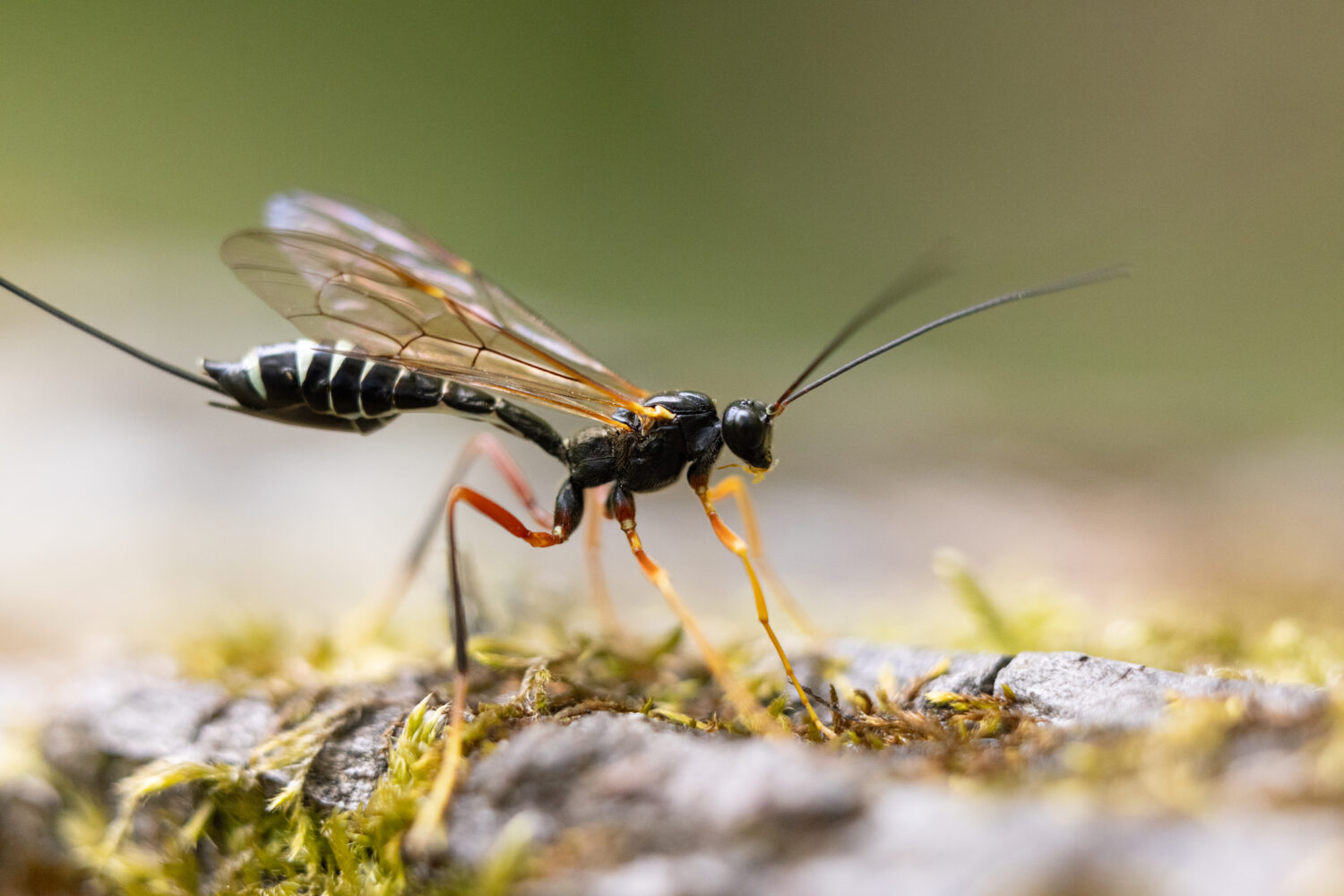
Chemical parasiticides are common and effective but can carry an environmental cost. One alternative is to use biocontrol, where living organisms manage parasites.
Advertisement
In a recent study published in the Journal for Parasitic Diseases, a team of researchers explored the prospect of using biological control methods as an alternative to traditional chemical interventions for parasite control in animals. The study intended to identify benefits and disadvantages of this method as well as explore strategies for sustainable parasite management.
Niranjan Kumar, PhD, Associate Professor at Kamdhenu University in India was lead author on this research study. He works extensively on learning about the best strategies for prevention and treatment of infections and parasites in livestock species.
While the article focuses mainly on animals in an agricultural setting, in theory the biocontrol methods described could be adapted and used for companion animals.
Importance of effective parasite management
Parasites, such as fleas, ticks, mites, helminths, and protozoa, cause various diseases in animals and pose significant public health risks for people. These parasites have the potential to negatively impact the economy due to reduced productivity and increased mortality, specifically for livestock populations. In companion animals, parasites can cause skin problems, transmit disease, and even lead to death.

2025 AAHA One Health Guidelines: Navigating Cross-Disciplinary Partnerships
For these reasons, parasite management is essential. However, because parasite prevention has historically used chemical methods, concerns about potential negative impacts on animals and the environment as well as development of resistance has led researchers to study more eco-friendly alternatives.
Biological control methods
Researchers specifically looked at alternative methods for parasite management called biological control, or biocontrol. With this method, various living organisms are used to target parasites with minimal risk to the environment and other animals. There is also a reduced risk of resistance compared to current therapies.
Biocontrol can directly target parasites by destroying them or preventing their reproduction. Alternatively, they may indirectly modify environmental factors to disrupt parasite life cycles, which also reduces their populations.
How does biocontrol work?
Researchers characterized three mechanisms of action for biocontrol agents—predation, parasitism, and pathogenicity.
Predation: Predators kill and eat whatever animal they are preying on. Prey animals are often hosts for parasites. Therefore, if the predator controls the population of animal prey, it also controls the parasite population. In other cases, the prey is the parasite. For example, chickens can be used to control tick populations, since they prey on ticks.
Parasitism: Parasitoids are a specific type of insect that lay eggs on or inside the body of a host (usually another type of insect). The eggs mature into larvae and continue to develop, which ultimately kills the host parasite.
Pathogenicity: Microorganisms such as bacteria, fungi, and viruses may work in various ways to cause diseases. For example, bacteria can produce toxins or induce sepsis that cause death in the parasite. Many types of protozoa prey on parasite eggs and larvae, which greatly reduces their populations. Additionally, fungi can penetrate a parasite’s cuticle while having the ability to survive and reproduce in a variety of environmental conditions.
These biological control methods are implemented using importation, augmentation, and conservation strategies. The strategy chosen depends on the targeted parasite, the desired outcome, and environmental factors.
Unfortunately, biological control can take longer for its intended effect compared to traditional chemical methods. This may leave animal populations vulnerable in the interim. For this reason, Aliya McCullough, DVM, MS, chief veterinary officer and director of veterinary affairs at Fetch Pet Insurance, gave her perspective on using these alternative methods.
“I think it may be possible for biological control agents for parasites to complement current chemical methods, but I am not optimistic that it could completely replace them,” she said.
AAHA’s dermatology guidelines
The 2023 AAHA Management of Allergic Skin Diseases in Dogs and Cats Guidelines are an invaluable tool for veterinary professionals to diagnose and manage allergic skin conditions in pets, emphasizing a multimodal approach, and a focus on client communication. Read the guidelines here.Challenges for biocontrol
The theory behind the use of biological control compared to traditional chemical methods to parasite prevention is that the overall parasite population will be decreased and controlled while greatly reducing the environmental impact and risk of drug resistance over time.
However, there are many important points to consider.
“I foresee many challenges for biological parasite control in veterinary medicine,” McCullough said. “These include understanding how parasites may adapt and evade these methods, avoiding the introduction of non-native species and the disruption of ecosystems, anticipating the impact of climate change on biological control agents, and determining efficacy and safety for animals, humans and the environment.”
Benefits and disadvantages of biocontrol
Biocontrol methods may provide a more sustainable and eco-friendlier alternative to the use of chemicals while promoting biodiversity. The study authors highlighted their use in livestock species, specifically. They noted that when using current chemical methods, the stool of treated livestock animals contains residue that can contaminate soil and negatively impact other non-target organisms that play crucial roles in the ecosystem. Using biological control would eliminate these concerns.
Unfortunately, not every life stage of the parasite is targeted with biocontrol, which can result in inadequate management in some cases. These methods may take longer to work and have less immediate effects on parasite populations than their chemical alternatives as well.
“Veterinary species will still need parasiticides that work fast when they are infected,”” McCullough said. Therefore, chemical methods may still need to be used in many cases.
Future outlook on biocontrol
There is potential to integrate biological controls into traditionally used chemical antiparasitic medications to prevent resistance development. This has already been done using fungi and ivermectin to control strongyles in equids, and it showed promise in suppressing parasite populations over time.
The research team noted a major downside to biocontrol agents, which is that they may introduce new non-native parasites into the environment that must be properly managed and controlled.
Overall, more research is needed to optimize biocontrol agents for a variety of settings and to determine the extent of their efficacy.
“The potential impact of biologic control agents on pets, humans, and the environment needs more exploration in peer-reviewed research studies and the findings communicated to veterinary professionals, pet parents, and the public prior to widespread use,” McCullough said.
Establishing protocols and risk assessments for biocontrol methods is necessary to ensure safety issues are addressed and long-term impact is well documented. Nevertheless, this remains an exciting area of new research in veterinary medicine.
Photo credit: © bra_nec via iStock/Getty Images Plus
Disclaimer: Trends content is meant to inform, educate, and inspire by providing an array of diverse viewpoints. Any content published should not be viewed as an official stance, position, or endorsement by the American Animal Hospital Association (AAHA) or its Board of Directors.
