Clinical
JAAHA: A case report of canine insulinoma
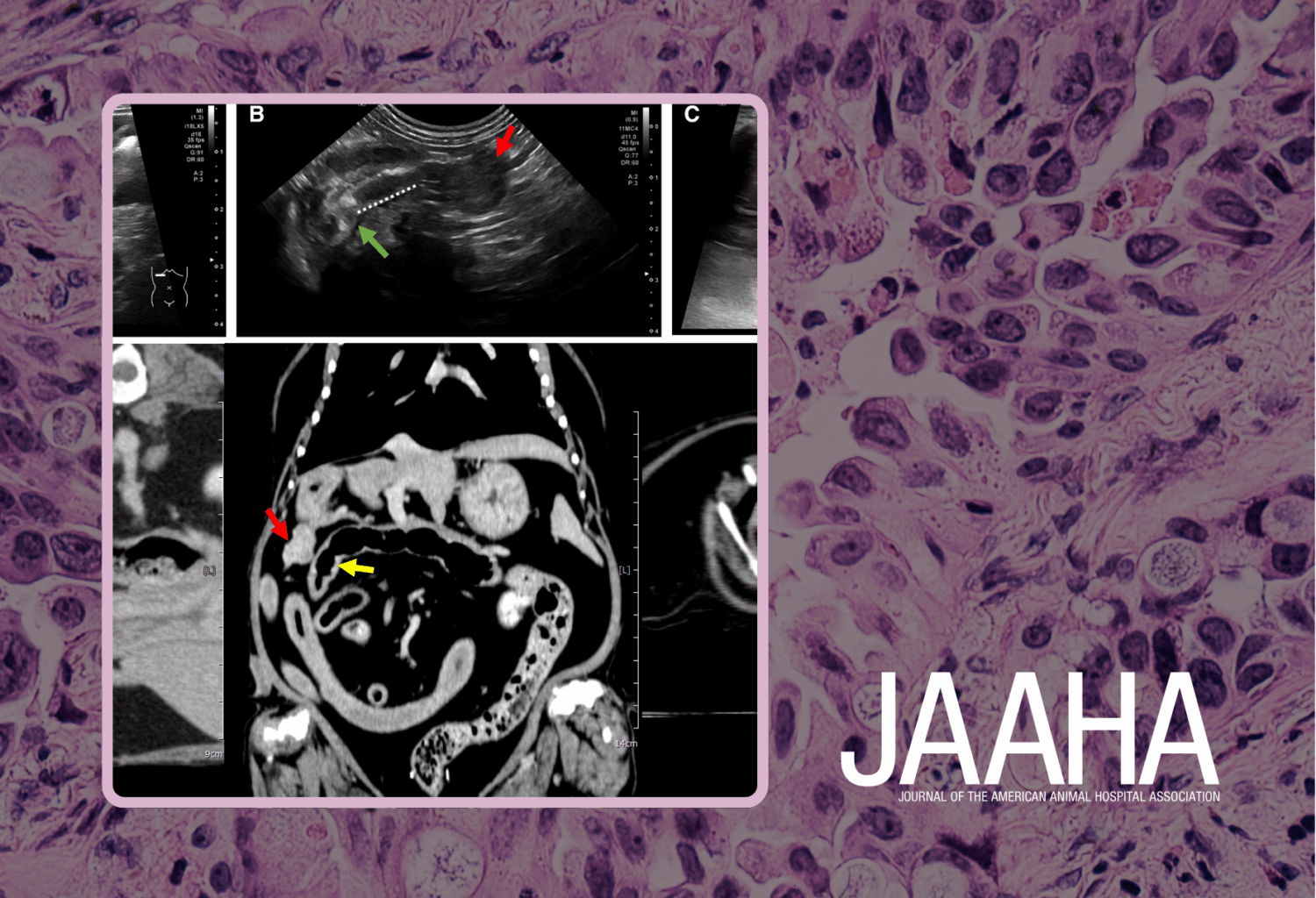
This case report emphasizes the role of pancreatic ductal anatomy on surgical planning and postoperative management.
Advertisement
This case report tells the story of a 13-year-old poodle with an insulinoma, a tumor in the pancreas that makes too much insulin and causes low blood sugar (hypoglycemia).
After initially trying to manage the hypoglycemia with dietary changes, his veterinary team eventually decided surgery was the best way forward. The tumor was on the right pancreatic limb, very close to the accessory pancreatic duct.
The surgical team performed a partial pancreatectomy, carefully trimming away the diseased tissue while trying to leave the duct intact. They couldn’t see the duct clearly during surgery, but later imaging suggested they’d managed to preserve it. Unfortunately, “intact” doesn’t always mean “working,” and the dog went on to develop pancreatitis, exocrine pancreatic insufficiency (trouble digesting food), and eventually diabetes mellitus.
Despite these complications, the poodle bounced back from surgery, started chemotherapy with imatinib, and lived for more than 16 months—longer than the typical median survival time for dogs with insulinoma. Importantly, there was no sign of tumor recurrence during that period.
In the end, this case underscores the balancing act veterinarians face in this type of surgery: removing enough tumor to control disease, while preserving enough pancreas to keep digestion and metabolism working. Preservation of the duct is worth considering, but long-term monitoring is essential.
Read the details of the case in the latest issue of JAAHA, “Anatomical Preservation of Pancreatic Ducts in Partial Pancreatectomy: A Case Report of Canine Insulinoma.”
The Journal of the American Animal Hospital Association (JAAHA) is a storied publication presenting the latest scientific articles from around the world. Each month we present a sampling from the current month’s journal.
Photo credit: JAAHA
Disclaimer: Trends content is meant to inform, educate, and inspire by providing an array of diverse viewpoints. Any content published should not be viewed as an official stance, position, or endorsement by the American Animal Hospital Association (AAHA) or its Board of Directors. This article had editing assistance from an AI software.
