Clinical
JAAHA: How does time of antimicrobial administration impact the outcome for septic dogs?
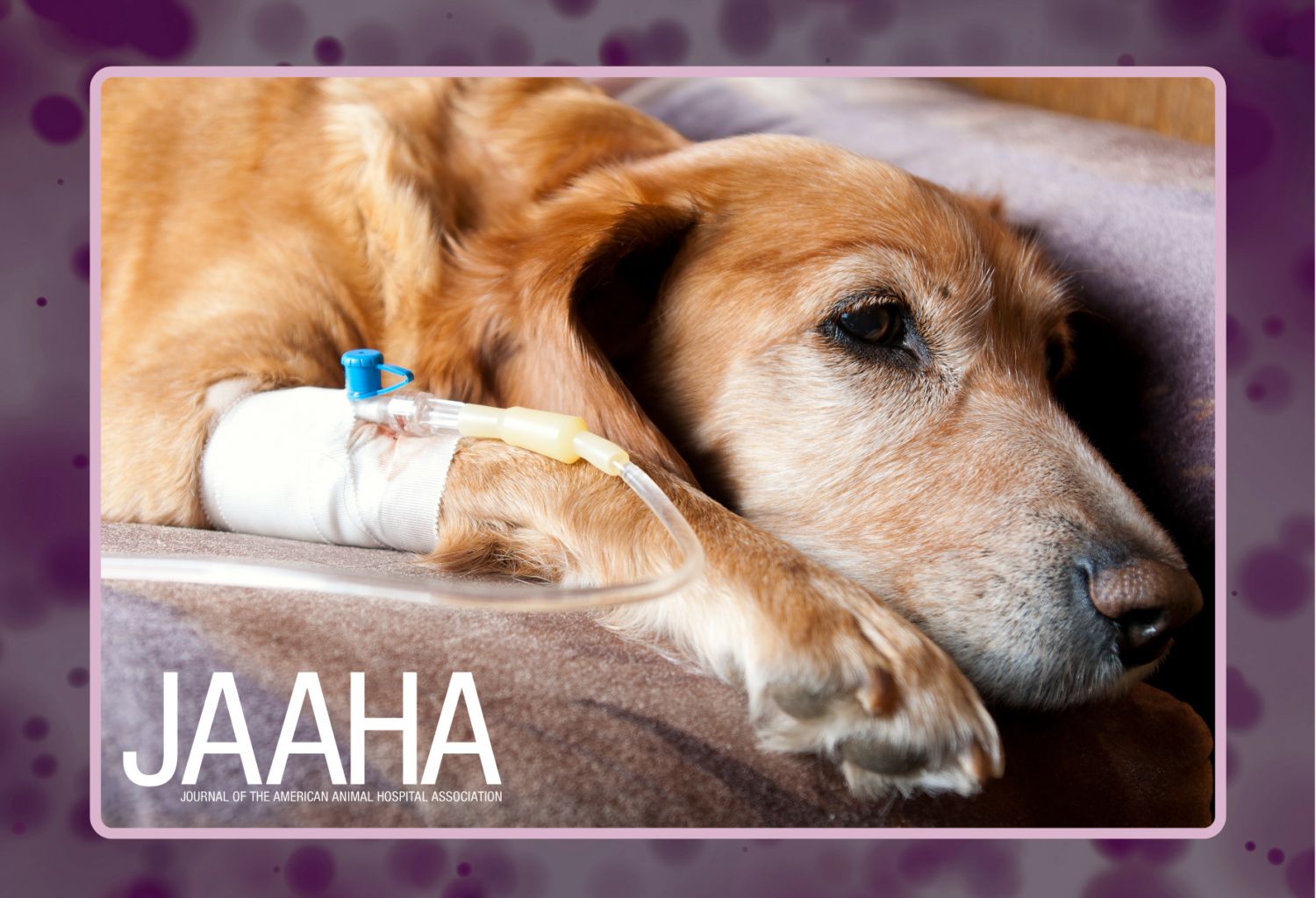
A new study in JAAHA aims to determine if the time to antimicrobial administration, as well as time to appropriate antimicrobial administration, impacted hospitalization time of dogs diagnosed with sepsis.
Advertisement
Sepsis is generally defined as infection with a systemic inflammatory response. The use of antimicrobials is an essential treatment for sepsis. Does it matter how quickly–and accurately–antimicrobials are administered to dogs with sepsis?
In human medicine, studies have shown that the odds of mortality increase by 0.3% for each hour that antimicrobials are not administered to septic patients. For patients in septic shock, those odds can increase up to 35% for each hour without antimicrobials. So the link between time of administration and severity of outcome has been well studied in humans, but what about dogs?
A new retrospective study in the Journal of the American Animal Hospital Association (JAAHA), attempted to determine if the time to any antimicrobial administration, as well as time to appropriate antimicrobial administration, impacted hospitalization time or mortality of dogs diagnosed with sepsis.
Read the details of the retrospective study in the latest issue of JAAHA: The Effect of Time of Antimicrobial Administration on the Outcome of Septic Dogs
Photo credit: ibreakstock via iStock/Getty Images Plus
The Journal of the American Animal Hospital Association (JAAHA) is a storied publication presenting the latest scientific articles from around the world. Each month we present a sampling from the current month’s journal.
Disclaimer: Trends content is meant to inform, educate, and inspire by providing an array of diverse viewpoints. Any content published should not be viewed as an official stance, position, or endorsement by the American Animal Hospital Association (AAHA) or its Board of Directors.
