Allergic Skin Disease
JAAHA: Ilunocitinib-induced pancytopenia in an Australian Shepherd dog with the MDR1 mutation
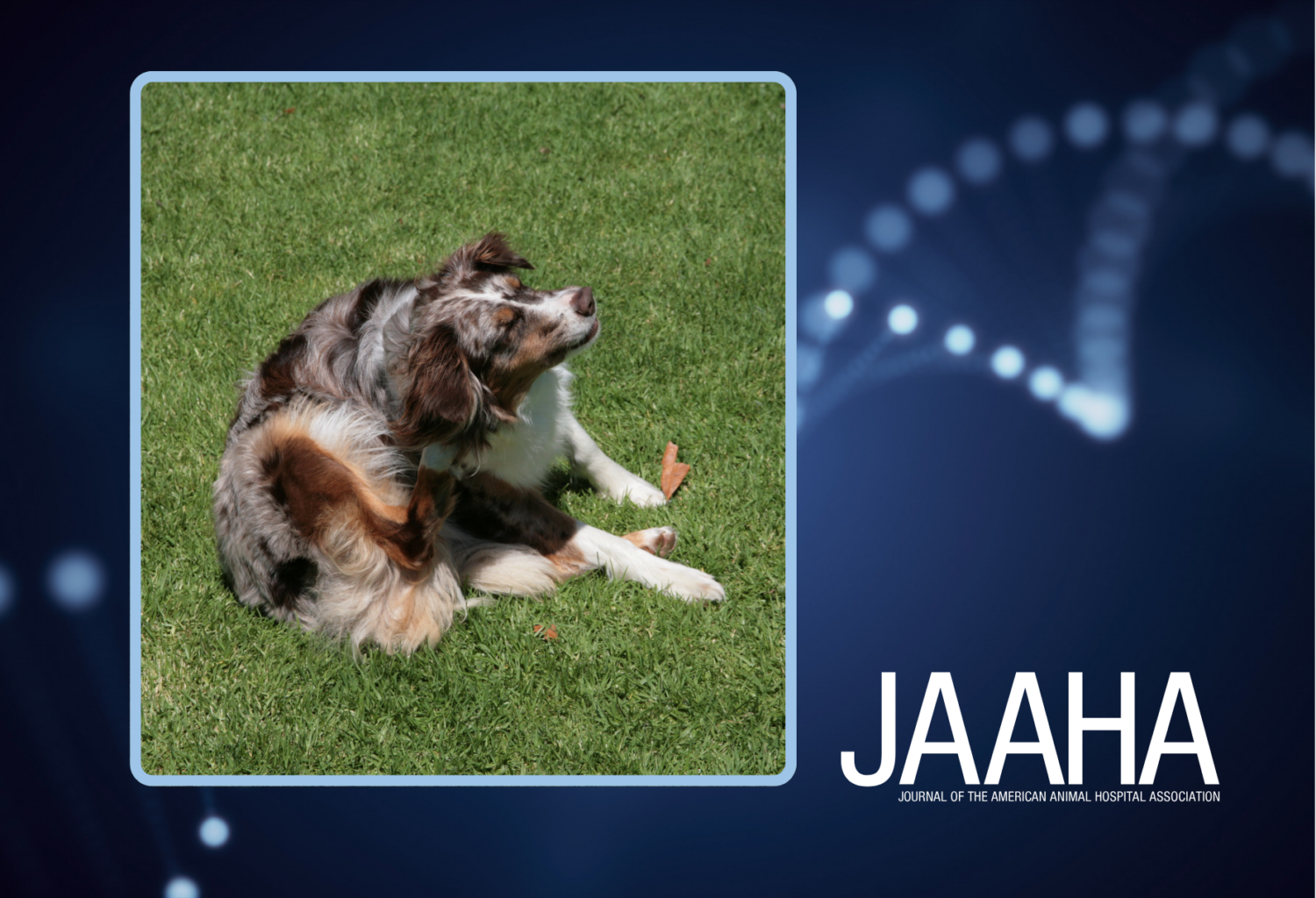
A recent report in JAAHA describes the first reported connection between ilunocitinib-induced bone marrow dyscrasia and the MDR1 mutation in dogs.
Advertisement
Dogs with the MDR1 gene mutation are at higher risk for severe, potentially fatal reactions to common medications.
A recent case report in JAAHA highlights a potentially important safety concern for veterinarians using ilunocitinib (aka Zenrelia®) in dogs with the MDR1 mutation. The article describes a 5-year-old spayed Australian Shepherd with atopic dermatitis whose pruritus had become poorly controlled despite allergen immunotherapy. The dog, who also had a history of well-managed seizures, was known to be “MDR1 mutant/normal.”
Before starting ilunocitinib, baseline bloodwork was unremarkable. After one month on label-dose therapy, the dog showed dramatic clinical improvement in itch scores and no outward signs of illness—but routine monitoring revealed pancytopenia, a serious condition where the body has abnormally low counts of all three types of blood cells: red blood cells, white blood cells, and platelets.
Ilunocitinib was discontinued immediately. Within a week, neutrophil and platelet counts normalized, while anemia resolved more gradually over the following month.
What makes this case especially notable is the investigation into why the adverse event occurred. Researchers confirmed that ilunocitinib is a canine P-glycoprotein substrate. In dogs carrying the MDR1 mutation, impaired P-glycoprotein function may reduce biliary drug excretion, potentially allowing the drug to accumulate even at standard doses.
Although cytopenias are already listed as a possible adverse effect of ilunocitinib, this appears to be the first published report linking severe pancytopenia with MDR1-associated P-glycoprotein deficiency. The case serves as a valuable reminder that “label dose” may not mean “safe dose” in genetically susceptible patients.
For clinicians managing allergic skin disease in herding breeds and other at-risk dogs, this report raises important questions about drug selection, dose adjustments, and the role of routine CBC monitoring.
Read the full case report in the latest issue of JAAHA: “Ilunocitinib-Induced Pancytopenia in an Australian Shepherd Dog with the MDR1 Mutation” for a deeper dive into the pharmacology—and why this interaction may have broader implications than many veterinarians realize.
The Journal of the American Animal Hospital Association (JAAHA) is a storied publication presenting the latest scientific articles from around the world. Each month we present a sampling from the current month’s journal.
Photo credit: pawprincestudios via iStock/Getty Images Plus
Disclaimer: Trends content is meant to inform, educate, and inspire by providing an array of diverse viewpoints. Any content published should not be viewed as an official stance, position, or endorsement by the American Animal Hospital Association (AAHA) or its Board of Directors. This article had editing assistance from an AI software.
