Clinical
JAAHA: Survivability of boar-induced trauma in dogs
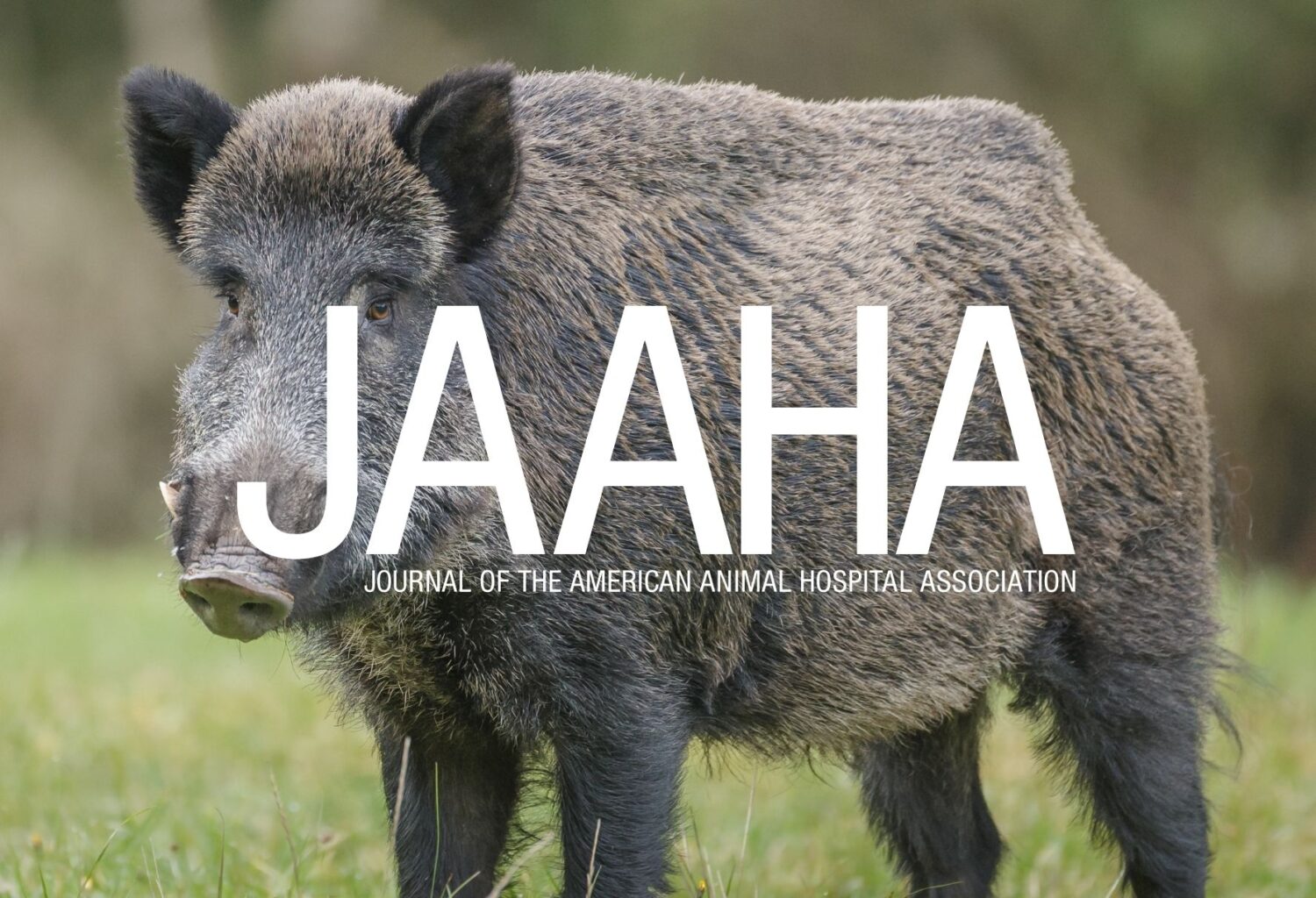
Your goldendoodle will probably never have to deal with it, but some European dogs are prone to suffer from BAATs, or boar-attack-associated trauma. Yes, that’s boar as in wild boar, the snout-nosed ungulates with large tusks.
Advertisement
While wild boars are not native to the United States, there are an estimated 6 million of them across 35 states in the US. In Europe, they are even more widespread, with an estimated population of more than 10 million, and growing.
Management strategies for wild boar population control vary, but in Europe include hunting, sometimes with the assistance of hunting dogs. Boars are large mammals with tusks, so naturally they can sometimes cause injury to these dogs. In a new retrospective study, a team of European researchers reviewed medical records for 42 dogs who had suffered injuries related to hunting wild boars, which is known as boar attack–associated trauma (BAAT).
The study looked at three categories of BAAT: blunt, penetrating, and combined. The percentage of dogs who did not survive being gored by boar tusks was surprising.
Read the details of the case in the latest issue of JAAHA: A Retrospective Study on Boar-Induced Trauma in 42 Dogs
Photo credit: Neil_Burton via iStock/Getty Images Plus
The Journal of the American Animal Hospital Association (JAAHA) is a storied publication presenting the latest scientific articles from around the world. Each month we present a sampling from the current month’s journal.
Disclaimer: Trends content is meant to inform, educate, and inspire by providing an array of diverse viewpoints. Any content published should not be viewed as an official stance, position, or endorsement by the American Animal Hospital Association (AAHA) or its Board of Directors.
