Clinical
JAAHA: The perils of improvised catheters
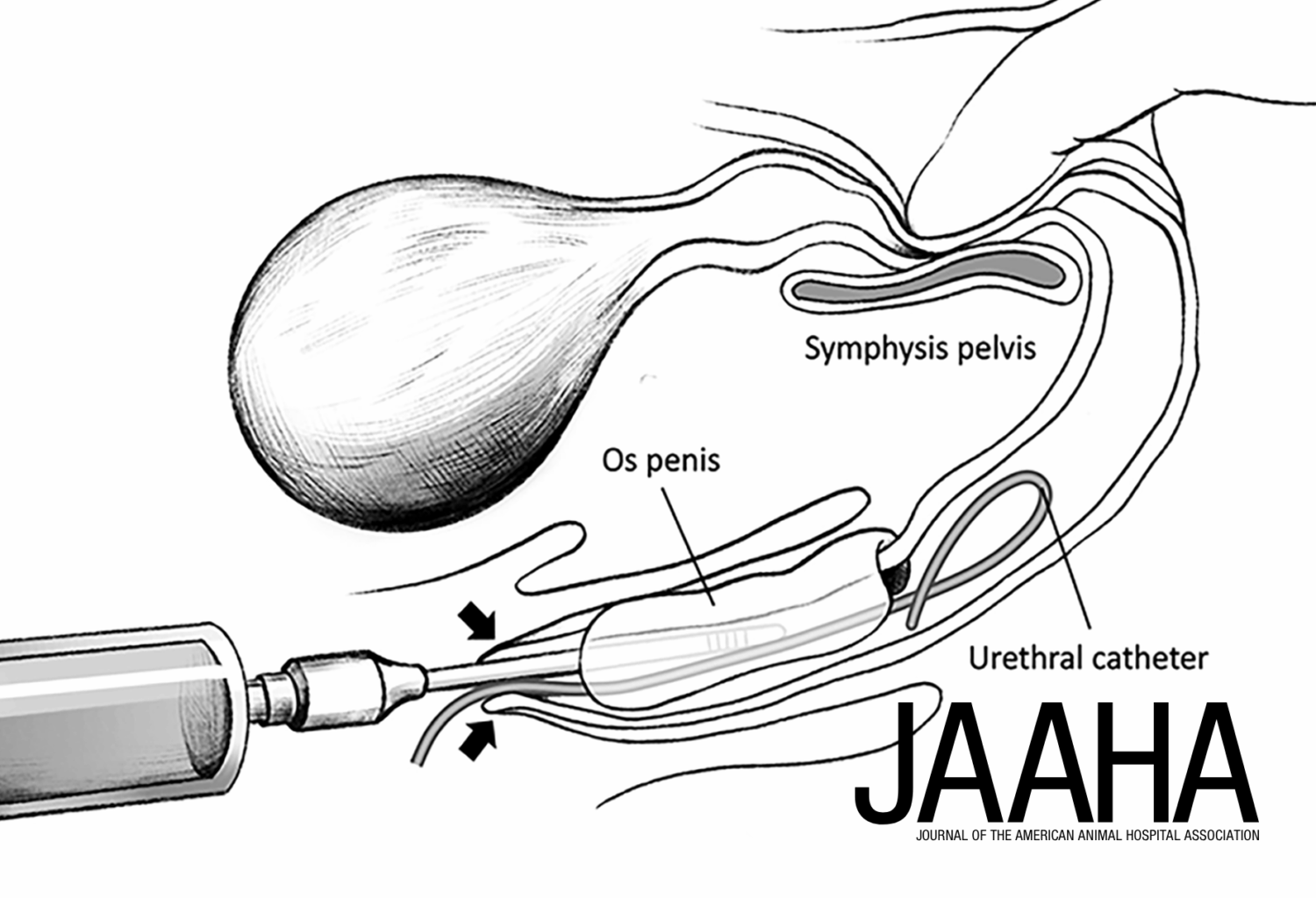
The off-label use of feeding tubes for catheterization in dogs is not recommended, for a good reason.
Advertisement
Sometimes, in the veterinary setting, a team must improvise with the tools and materials at hand to create the best outcome for the patient. However, sometimes these off-label solutions can cause problems down the line.
One such problematic, off-label solution is the use of feeding tubes in place of normal catheters such as Foley or red rubber urinary catheters.
In a new case report published in the Journal of the American Animal Hospital Association (JAAHA), a veterinary team describes how nasogastric feeding tubes were used as urinary catheters for dogs in two different cases. In both cases, the tube became entrapped or kinked in the urethra and was unable to be easily removed, causing significant discomfort to the dogs.
“This case report highlights the potential complications of using feeding tubes for urethral catheterization and presents a novel method for the removal of entrapped catheters,” the authors noted.
The team decided to take a novel, nonsurgical approach to removing the tubes, involving the use of over-the-needle IV catheters. These allowed the team to utilize a saline infusion to facilitate urethral dilation, which allowed for removal of the tubes.
Read the details of the process in the latest issue of JAAHA, “Nonsurgical Removal of Improvised Nasogastric Tubes Entrapped in the Urethra in Two Male Dogs.”
The Journal of the American Animal Hospital Association (JAAHA) is a storied publication presenting the latest scientific articles from around the world. Each month we present a sampling from the current month’s journal.
Photo credit: JAAHA
Disclaimer: Trends content is meant to inform, educate, and inspire by providing an array of diverse viewpoints. Any content published should not be viewed as an official stance, position, or endorsement by the American Animal Hospital Association (AAHA) or its Board of Directors.
