Cancer
Large-scale study identifies similarities between feline and human cancers
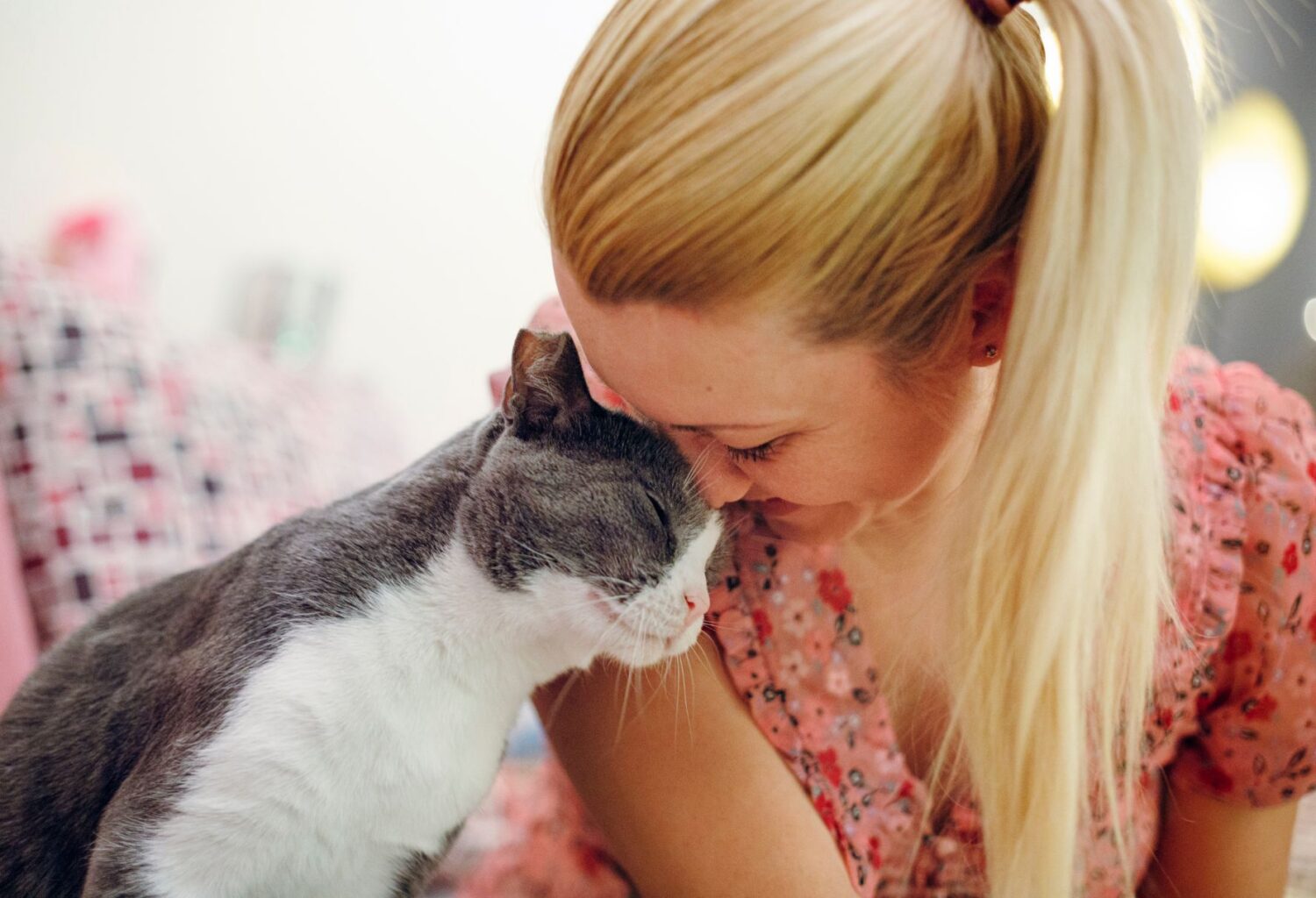
Veterinarians have a unique appreciation for the similarities between humans and animals from a disease perspective, and this first-of-its-kind, large-scale study provides deeper insights into the striking similarities between many of the feline cancers commonly seen in general practice and their counterparts in human medicine.
Advertisement
A first-of-its-kind large scale cat cancer study comparing feline tissues and tumors to orthologs of human genes involved in cancer, published last month in Science, found key similarities between the disease in the two species.
Researchers sequenced paired tumor and normal tissues from almost 500 pet cats across five countries with 13 different tumor types. The samples were initially collected for diagnostic purposes, and allowed the team to examine close to 1,000 genes that are associated with human cancer.
An ambitious undertaking
“Cancer is a complex disease with many facets. Unfortunately, a lot of the time we do not have the same advances or foundational understanding of a cancer type in veterinary medicine, as we are probably 10-15 years behind the advances of the human medical field, and so this study provides those mutational profiles that we can now leverage and compare our two species together to better benefit each other,” said study co-author Latasha Ludwig, DVM, PhD, Diplomate ACVP, assistant clinical professor in the Department of Population Medicine and Diagnostic Sciences, Section of Anatomic Pathology at Cornell University. “Therapies in human medicine targeted at genetic alterations already exist. But this is still a largely evolving field in feline medicine.
Ludwig, who searched the University of Guelph’s diagnostic pathology case archives for these tumors, was also responsible for reviewing the histopathology slides to ensure an accurate diagnosis and for coring the formalin-fixed paraffin to be sent to the Sanger Institute for sequencing, along with reviewing case materials from other institutions.
“From this project alone, I have probably looked at thousands of slides from different feline tumors,” she said. “As I transitioned into my capacity at Cornell University as a faculty member and the study was wrapping up, my role transitioned to review of the results and consulting on the veterinary medical and pathology aspects of the manuscript.”
She performed a large portion of her work on the study during her PhD at the University of Guelph alongside her advisor Geoffrey Wood, DVM, PhD, DVSc (pathology), collaborating with Louise van der Weyden, BSc (Hons), PhD, of the Wellcome Sanger Institute. Together, they selected which feline cancer types would likely be of the greatest interest to both the veterinary and human medical community.
Crucial cross-collaboration
“At the beginning of this project, I didn’t expect us to be able to obtain the breadth and depth of cases that we did,” Ludwig admitted. “I have to give great recognition to Dr. van der Weyden for that, and for bringing together so many great collaborators.” (The paper credits 25 authors from institutions in Canada, New Zealand, and across Europe.)
“I think this study shows the fundamental importance of multi-institutional and multi-disciplinary teams to accomplish important and impactful research,” she continued, noting that the fact that the team contained a wide variety of experts, which she believes allowed them to accomplish the research with the necessary magnitude and degree of scientific vigor. “It was also very encouraging to see that a high impact journal like Science was also able to recognize the importance of this study.”
Impetus for the study
Prior to Ludwig’s connection with Wood, the advisor had spent time on sabbatical at the Wellcome Sanger Institute. “We both have a strong interest in veterinary oncology and appreciated the paucity of feline cancer research and literature, in general compared to the dog,” Ludwig said.
Together, they had previously worked with van der Weyden to investigate and publish on the mutational profile of bladder cancer and hemangiosarcoma in cats and dogs. “These projects provided us with the foundation and framework to move forward with this very ambitious, large-scale, multi-national project investigating not only one but many different tumor types in cats,” Ludwig explained.
Expectations and findings
“Many of the cancer types that we had selected are very well known by primary care veterinarians, oncologists, and pathologists alike—but very few have been investigated in this manner,” Ludwig said. Accordingly, their expectations were initially broad and exploratory.
Veterinarians, in general, have a solid appreciation for the similarities between humans and animals from a disease perspective, and many of those links are already well-established in dogs, she said.
“I think osteosarcoma is a great example of that and has been documented and explored, and I think some of that came forward during COVID-19 for cats, but has not been well-established in the cancer world,” she continued. “I expected we’d find very similar driving forces in our feline cancer types, and we did—but I also expected several differences. And I think that we showed that as well.”
Understanding both the similarities and differences is key to determining how research in one area can impact the other, providing clarity for that “two-way street” through a One Health lens.
The biggest surprise for Ludwig was just how similar certain tumors were in felines and humans: “Although I expected there to be something for feline mammary tumors, I don’t think that I expected such a strong similarity to the human disease. Feline mammary tumors are unfortunately frequently very nasty and aggressive with a really poor clinical outcome. They are also triple-negative. To have similarities to the human counterpart really helps serve both feline and human medicine.”
Going forward
While it’s beyond Ludwig’s personal scope, she believes an important next step in this research will be to continue investigating whether the mutations they identified can lead to the development of targeted therapies in the future.
“As an anatomic pathologist, my fundamental resource is the histopathology slide, and we often try to provide prognostic information based on features we see on the slide,” she said. “This is obviously challenging and not perfect. It would be interesting to see if certain mutations can help us better predict prognosis. The major challenge for that is clinical follow-up information, especially in cats!”
Ludwig believes that the research they’ve conducted sets the stage for more researchers to step in and help move the needle.
“Now that we know which mutations we can target in many cancers, others can see what drugs could be used. And demonstrating that some of these mutations are shared between cats and humans we may be able to leverage the data that already exists for certain therapeutics in human medicine,” she said. “At the end of the day, our hope with this study is that the data can be used by others and we can improve the quality of life of all of our family members.”
Photo credit: IvanJekic via E+/Getty Images
Disclaimer: Trends content is meant to inform, educate, and inspire by providing an array of diverse viewpoints. Any content published should not be viewed as an official stance, position, or endorsement by the American Animal Hospital Association (AAHA) or its Board of Directors.
