Clinical
New bacterium transmits from ticks to dogs
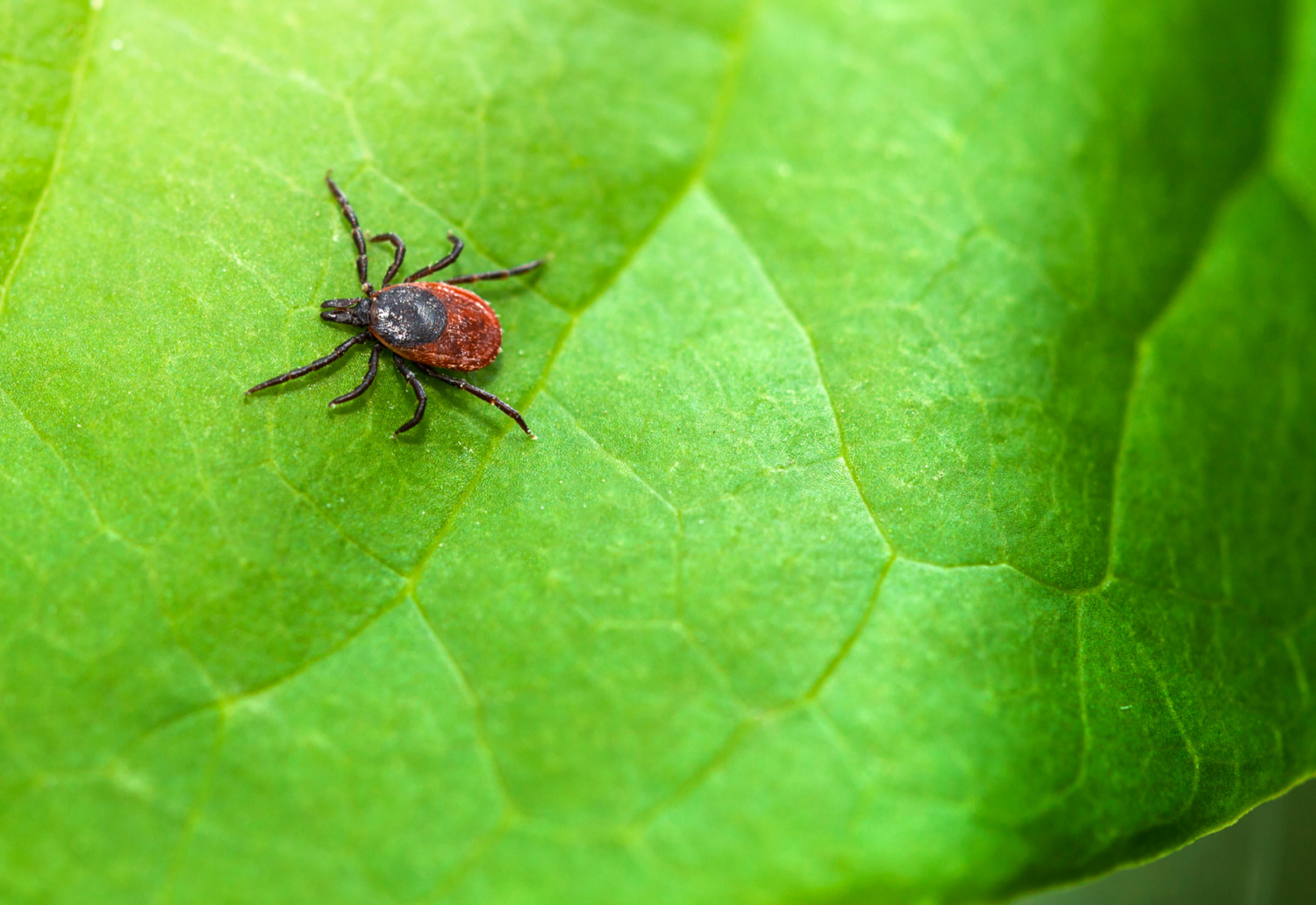
A new bacterium called Rickettsia finnyi is a tick-born species capable of infecting dogs. Learn more about how to prevent its spread.
Advertisement
Researchers at North Carolina State University have recently discovered a new bacterium that can be transmitted from ticks to dogs. After analyzing blood samples from dogs from the different regions across the United States, Barbara Qurollo, DVM, research associate professor at NC State and one of the study’s authors, reported on the discovery of a new bacterium called Rickettsia finnyi, a tick-born species capable of infecting dogs. No human infections have been documented yet.
Rickettsia finnyi comes from the name Finny, the name of the Colorado dog who was the first known patient infected with the bacterium. Seventeen other dogs tested positive for the organism after showing signs of illness including fever, fatigue, and thrombocytopenia after exposure.
The bacterium itself is capable of invading cells that line blood vessels, which can lead to swelling, rash, and pain. It has been observed that these signs and symptoms mimic those of Rocky Mountain spotted fever (RMSF) another tick-borne disease caused by the bacterium Rickettsia rickettsii.
Because the two bacteria are so similar, false positive test results for RMSF are possible when Rickettsia finnyi is actually the culprit. Genetic tests for RMSF may not detect R. Finnyi, however, making diagnosis difficult.

2025 AAHA One Health Guidelines: Navigating Cross-Disciplinary Partnerships
The Merck Veterinary Manual recommends early treatment when RMSF is suspected. In many cases of R. finnyi, veterinarians started treatment before having a definitive diagnosis, often opting for doxycycline to inhibit bacterial protein synthesis. Follow-up testing on several dogs indicated that the drug helped, as blood samples were negative for the organism by PCR.
While treatment is possible, prevention of infection with the organism is always preferred. As with other tick-borne infections, this involves using approved tick preventatives, tick mapping, and disease surveillance. The authors of the study stated that R. finnyi was likely transmitted by the lone star tick, Amblyomma americanum.
Photo credit: © Avalon_Studio via Getty Images Plus
Disclaimer: Trends content is meant to inform, educate, and inspire by providing an array of diverse viewpoints. Any content published should not be viewed as an official stance, position, or endorsement by the American Animal Hospital Association (AAHA) or its Board of Directors.
