Clinical
AAFCO pushes back on bill that would take away states’ authority over pet food labeling and marketing
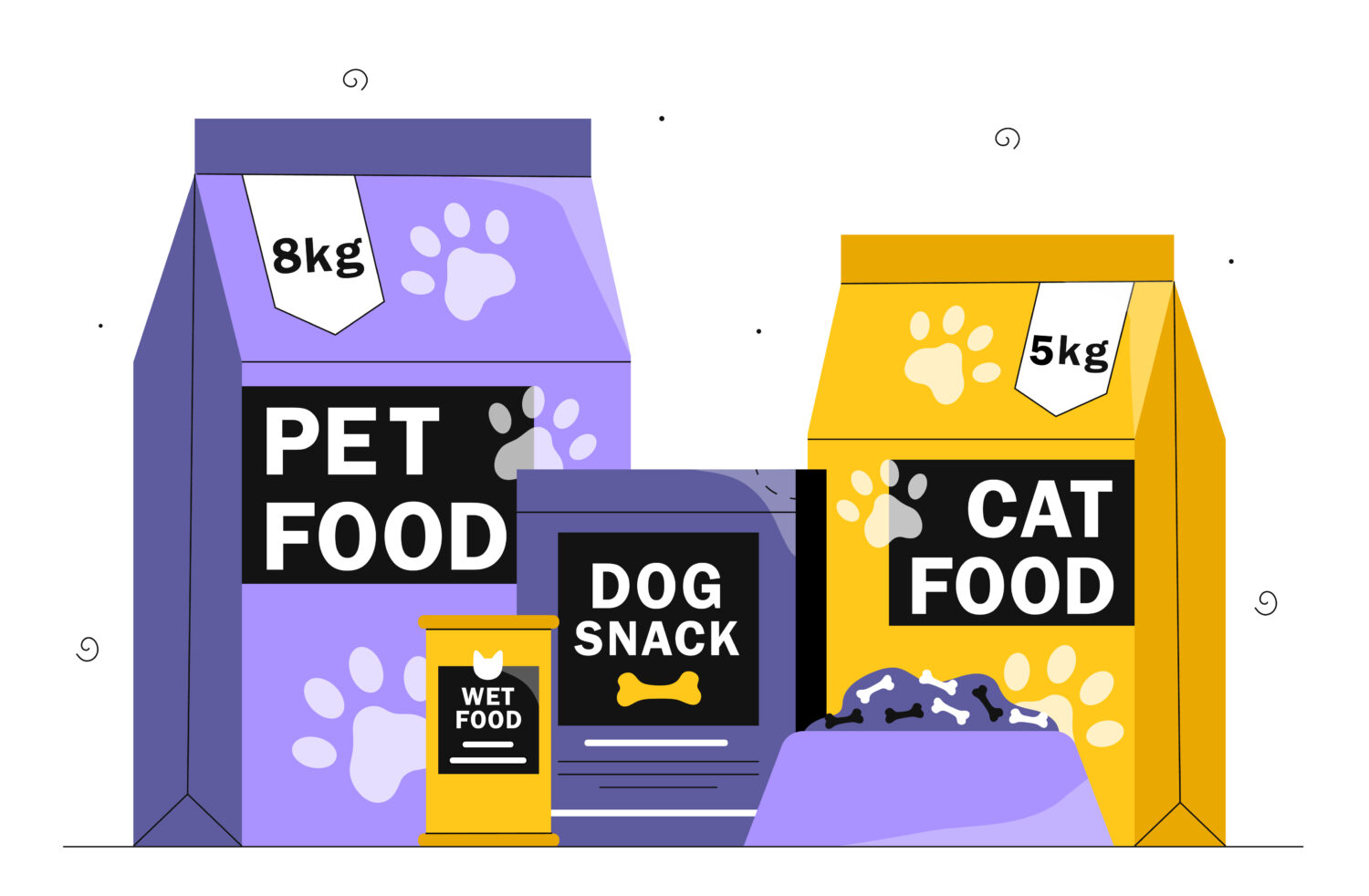
A proposed bill would give the federal government the sole authority to regulate labeling and advertising of pet food, effectively removing state oversight from the equation.
Advertisement
A bill working its way through Congress would give the U.S. Food and Drug Administration (FDA) the sole authority to regulate labeling and advertising of pet food nationwide.
The bill would ban states from having any influence over the accuracy of pet food labels or marketing claims. Instead, the bill moves all authority to the federal level. This has caused concern from the independent labeling non-profit, the Association of American Feed Control Officials (AAFCO).
The proposed legislation
H.R. 597 is titled the “Pet Food Uniform Regulatory Reform Act of 2025,” or the “PURR Act of 2025.” It was introduced by Rep. Steve Womack, R-Arkansas, in January.
“With nearly 66% of U.S. households owning a pet, it’s important that the owners receive the best quality food to keep their pet healthy,” Womack said in a statement. “Unfortunately, pet food manufacturers are forced to deal with a nearly 100-year-old, costly and confusing dual regulatory system, making it difficult for them to invest in new and improved products.”
Womack added, “My legislation would cut red tape and streamline the system by granting sole authority to the FDA to regulate the labeling and marketing of pet food. By removing the current state-by-state regulatory patchwork and modernizing the system, pet food makers can provide nutritious food for our beloved pets.”
Multi-level regulation
The “state-by-state regulatory patchwork” Womack refers to is based on the current food labeling model. This model is regulated on two levels.
First, at the federal level, the FDA requires that labels include proper identification of the product, net quantity statement, name, and place of business of the manufacturer or distributor. It also requires proper listing of all the ingredients in the product from most to least, based on weight.
Second, at the state level, many states enforce their own rules and regulations regarding labels and use guidance from AAFCO as a reference. AAFCO, which has been around for 100 years, produces an “Official Publication” each year for state, federal, and international feed regulators to refer to.
State feed regulators also ensure FDA rules are followed by reviewing pet food labels. They also check the accuracy of claims used in pet food marketing.

Lack of transparency would leave pet owners unable to know for certain which ingredients their pets may or may not be consuming, leading to potential health risks.Austin Therrell
Executive director of AAFCO
Concerns about transparency and safety
AAFCO recently expressed concern about the legislation. For instance, one concern is that, in its current form, the bill could harm consumer protection, reduce transparency in pet food labeling, and negatively affect pet food safety.
“The PURR Act would remove the ability for state-level regulators to provide the oversight that U.S. pets and pet owners deserve,” said Austin Therrell, executive director of AAFCO, in a statement. “Today, state feed programs are the first line of defense protecting consumers from misleading or mislabeled pet food products by inspecting products and labels to ensure that any marketing claims on the label or packaging are accurate and have the necessary scientific data to validate the statements.”
One specific concern that AAFCO officials raised was the use of specific language the bill would allow in labeling. For example, the bill allows manufacturers to say that some types of ingredients are “sometimes, but not always, present in the pet food.”
This ambiguity extends to three types of ingredients: fats and oils, flavor ingredients, and even grains.
“Many consumers purchase pet foods and treats based on the dietary needs or allergen requirements of their pets,” said Therrell. “Lack of transparency would leave pet owners unable to know for certain which ingredients their pets may or may not be consuming.” Therrell adds that this could lead “to potential health risks.”
The bill was referred to the House Committee on Energy and Commerce on Jan. 21. If the committee releases the bill, it will then be added to the House of Representatives calendar to be voted on, amended, or debated.
Photo credit: Photo courtesy of AAFCO; Alexey Yaremenko via iStock/Getty Images Plus
Disclaimer: Trends content is meant to inform, educate, and inspire by providing an array of diverse viewpoints. Any content published should not be viewed as an official stance, position, or endorsement by the American Animal Hospital Association (AAHA) or its Board of Directors.
