Clinical
Texas issues disaster declaration as screwworm threat looms
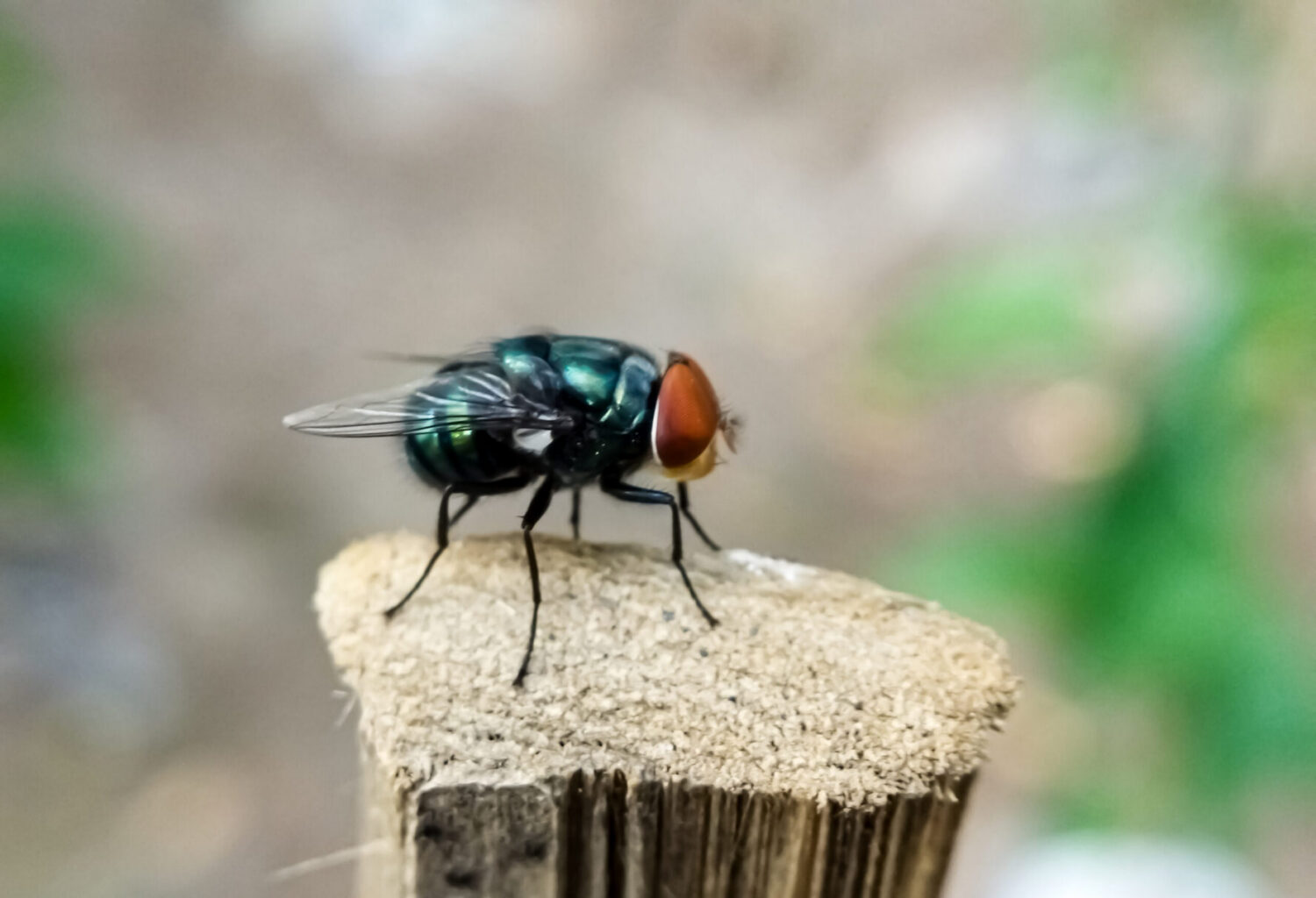
A disaster declaration has been issued as concern for northern spread of New World Screwworm into the United States increases. Learn what mitigation risks are being implemented and why they are necessary to protect animal and human health.
Advertisement
In February 2026, Texas Gov. Greg Abbott issued a disaster declaration citing serious concerns for northern spread of the New World Screwworm (NWS) fly from Mexico and Central America. NWS was originally eradicated from the United States using a sterile fly technique in 1966 but the threat of re-emergence is growing as this pest spreads upward, nearing the Texas border.
Currently, active NWS cases are still about 200 miles from the Texas-Mexico border. Collaborative efforts are ongoing between the Texas Parks and Wildlife Department and the Texas Animal Health Commission to improve state response and educate the public of this growing concern.
A resurgence of New World screwworm in the United States would represent a significant disruption to animal health, welfare, and agricultural production. The economic and welfare implications would be substantial.Roselle Busch, DVM
Assistant Specialist in Cooperative Extension for Sheep and Goat Herd Health and Production at UC-Davis
Risks of New World Screwworm
NWS flies lay their eggs in open wounds and body openings of warm-blooded animals. When the eggs hatch, tiny parasitic maggots emerge and begin feeding on tissue, burrowing deep into an animal’s flesh.
Roselle Busch, DVM, is assistant specialist in the cooperative extension for Sheep and Goat Herd Health and Production at the University of California-Davis.
“A resurgence of New World screwworm in the United States would represent a significant disruption to animal health, welfare, and agricultural production,” Busch said. “The economic and welfare implications would be substantial.”
As a result, mitigation risks are fully underway to stop the spread and protect public health.
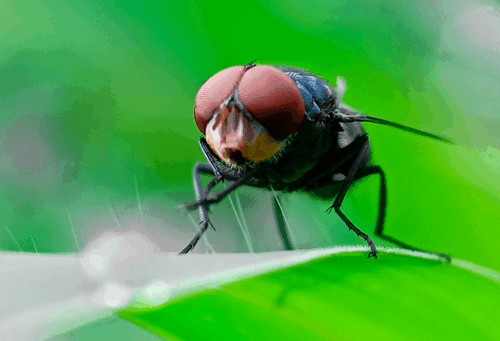
Sterile fly facilities are highly effective because the mating between sterile males and wild females creates unfertilized eggs. By preventing reproduction, NWS populations cannot grow and continue to spread.
Completion of Texas Sterile NWS Facility
The United States Department of Agriculture just completed construction on a $750 million Domestic Sterile New World Screwworm Production Facility in southern Texas—the first of its kind in the United States. This facility, which just opened in early 2026, was modeled after a smaller facility built in Panama in 2006 that has been producing 100 million sterile flies weekly and dispersing them in NWS-infested areas to slow the spread of this pest.
A spokesperson for the Texas Animal Health Commission (TAHC)—the lead agency for animal disease outbreak response in Texas—weighed in saying that “the only proven eradication technique for NWS is the sterile insect technique (SIT). The current outbreak in Mexico, and if it reaches the United States, will require significantly more sterile NWS flies to stop the spread and push the pest back.”
Currently, sterile fly technique is actively creating a 50-mile buffer zone along the Texas border.
Sterile fly facilities are highly effective because the mating between sterile males and wild females creates unfertilized eggs. By preventing reproduction, NWS populations cannot grow and continue to spread.
Another sterile fly facility is set to begin construction in Mexico starting in the summer 2026. Together, these three facilities will produce up to 500 million sterile flies each week.
Collaboration is key to managing NWS
The TAHC spokesperson added that in addition to the sterile fly technique, effective management will require an all-hands-on deck approach where the government, producers, and veterinarians work together. “It’s going to take us all to manage this pest, protect our animals, and keep NWS from spreading.”
Busch emphasized the critical role veterinarians play in prevention and response.
“State veterinary officials alone do not have the capacity to detect every case; frontline practitioners are the most likely to recognize early infestations,” she said.
This early intervention has the potential to mitigate the overall impact that NWS has on animal populations and reduce public health risks.
Comprehensive Risk Mitigation Strategies
Additional protections and programs have been implemented by the government to counteract this growing threat. In November 2025, the USDA agribusiness trade mission took place in Mexico City so that leaders could convene and discuss collaborative efforts to protect both of their economies through eradication efforts. The USDA also launched screwworm.gov, a website that provides comprehensive information and updates on NWS to various stakeholders, including the general public.
The USDA also launched the New World Screwworm Grand Challenge in January, which is a $100 million APHIS-funded program that welcomes new strategies for NWS control and eradication. The program funds continued research on effective novel control measures and is crucial to in protecting our economy and food chain.
Although NWS is not currently in the United States, having an effective treatment strategy for companion and livestock animals has been part of the emergency preparedness strategy. On February 18, 2026, the FDA issued Emergency Use Authorizations (EAU) for NexGard and NexGard COMBO to prevent and treat NWS myiasis in both dogs and cats. This comes after prior EAUs were implemented for Credelio, Credelio Quattro-CA1, and Credelio CAT for use in dogs and cats as well as the Ivomec injection used in cattle.
Animal movement restrictions are currently in place as part of risk reduction. The Texas-Mexico border is closed for live animal importation by land, and it is expected these restrictions will remain in place for the greater part of 2026. Horses that are imported by air and have completed a 7-day quarantine and/or have been deemed free of screwworm by a veterinarian do not have such restrictions. Likewise, dogs can still be imported from Mexico if they have a valid health certificate.
Additional State Efforts to Counteract NWS
While Texas has been the only state with a disaster declaration related to the NWS, other parts of the country have been actively involved in emergency preparedness efforts.
Busch discussed how her region has been proactively planning in response to this growing threat.
“UC Cooperative Extension, in collaboration with the California Department of Food and Agriculture, is actively engaging veterinarians and animal owners to increase awareness of NWS identification, reporting protocols, and surveillance practices,” she said.
Continuing to explore prevention strategies, active surveillance, and eradication efforts will reduce the threat of this pest and support a healthy economy and food supply.
Photo credit: © Lidya Elfa Sari via iStock/Getty Images Plus
Disclaimer: Trends content is meant to inform, educate, and inspire by providing an array of diverse viewpoints. Any content published should not be viewed as an official stance, position, or endorsement by the American Animal Hospital Association (AAHA) or its Board of Directors.
