Clinical
New world screwworm updates and resource roundup
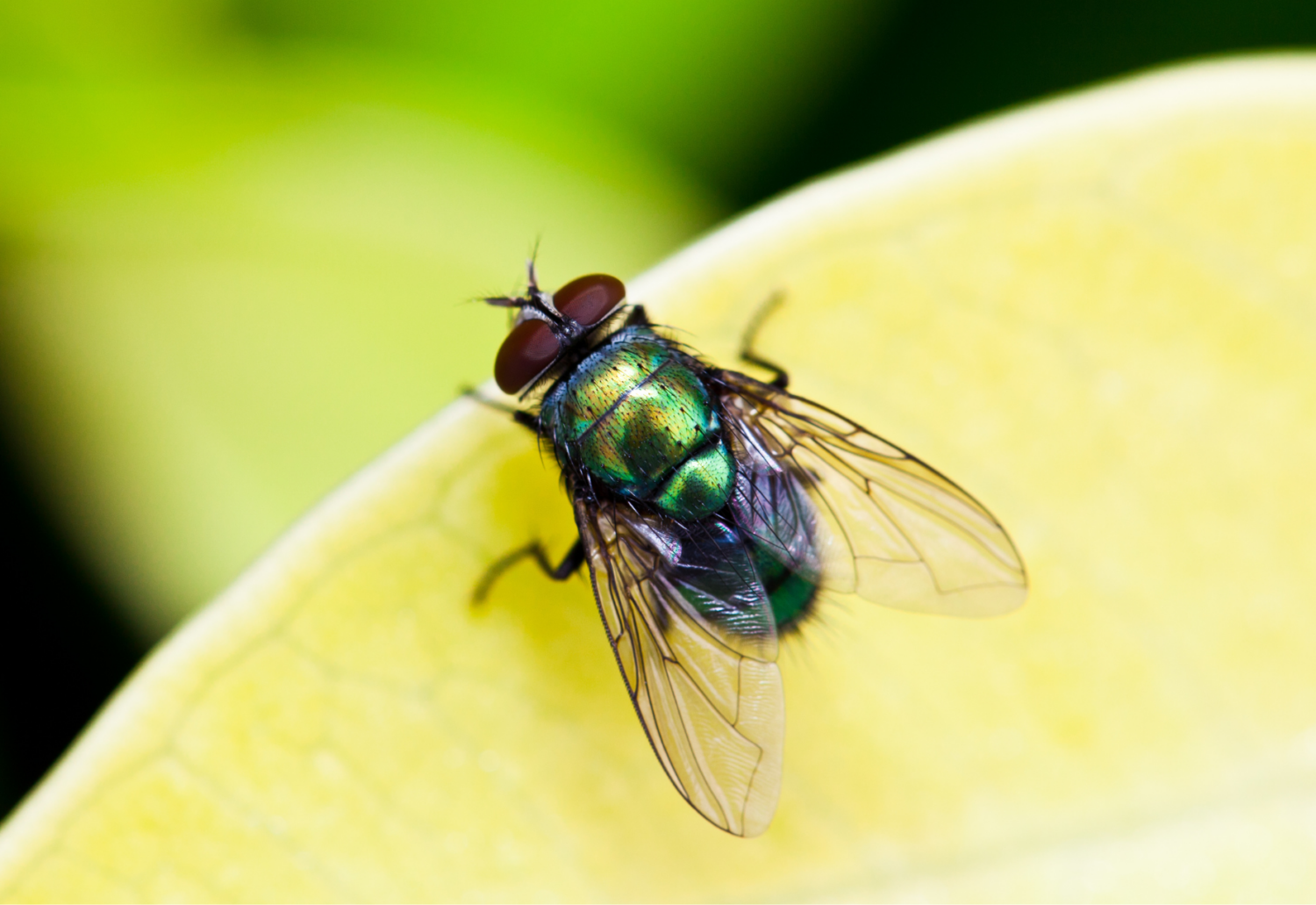
New World screwworm (NWS) was officially eradicated from the United States in 1966, but the parasite is back. Protect your team and clients with the latest in NWS updates and resources.
Advertisement
New World screwworm (NWS) was thought to be eradicated from the United States in 1966. However, following the Trump administration’s cuts to international animal disease monitoring programs in 2025, the parasite was reported in Texas this June. This summer, the USDA has reported 41 total cases in the United States so far.
What’s the latest news about NWS?
New World screwworm was first sighted in cattle in Zavala County, Texas, on June 3, 2026. The latest NWS case count is 42 in the United States, with 10 active cases in Texas and 32 inactive cases in Texas and New Mexico. All cases so far have impacted domestic animals including cattle, sheep, goats, and dogs.
Where is NWS found in the U.S.?
So far, NWS has been seen in animals in southern Texas and New Mexico. The AVMA recommends reporting any suspected cases in domestic animals to a state animal health official or the USDA area veterinarian in charge.
What threats does NWS pose to pets and other domestic animals?
New World screwworm is a parasite that seeks out open wounds on animals and people. Female flies lay eggs in the wounds, and larvae then feed on living tissue, which can cause swelling, pain, and tissue loss.
Pets and livestock who have open cuts, scrapes, wounds, or bite marks, are recovering from surgery, and do not receive veterinarian-recommended parasite preventatives are at increased risk of infestation. Animals who were recently born and have a healing umbilicus and animals who have recently had ear tags placed are also at increased risk of infestation. Pets who are not up to date on flea and tick medication also have a higher risk for bite and scratch wounds that can attract female flies.
Additionally, pets and livestock with wounds that emit a foul odor, worsen quickly or fail to heal, show signs of swelling or pain, or have visible larvae should seek veterinary attention. Because NWS is a parasite and not an infection, symptoms typically resolve quickly once the larvae are removed. Untreated cases can lead to increased swelling, pain, tissue loss, and infection.
Where can we learn more about NWS?
New World Screwworm – Texas A&M AgriLife Extension Service
Screwworm.gov | Unified Government Response To Protect the United States
Confirmed Detections of New World Screwworm | APHIS
New World Screwworm – New Mexico Department of Wildlife
Photo credit: © fzant + via Getty Images Plus
Disclaimer: Trends content is meant to inform, educate, and inspire by providing an array of diverse viewpoints. Any content published should not be viewed as an official stance, position, or endorsement by the American Animal Hospital Association (AAHA) or its Board of Directors.
