Clinical
Not just a poultry problem: Navigating HPAI H5N1 in pet and aviary birds
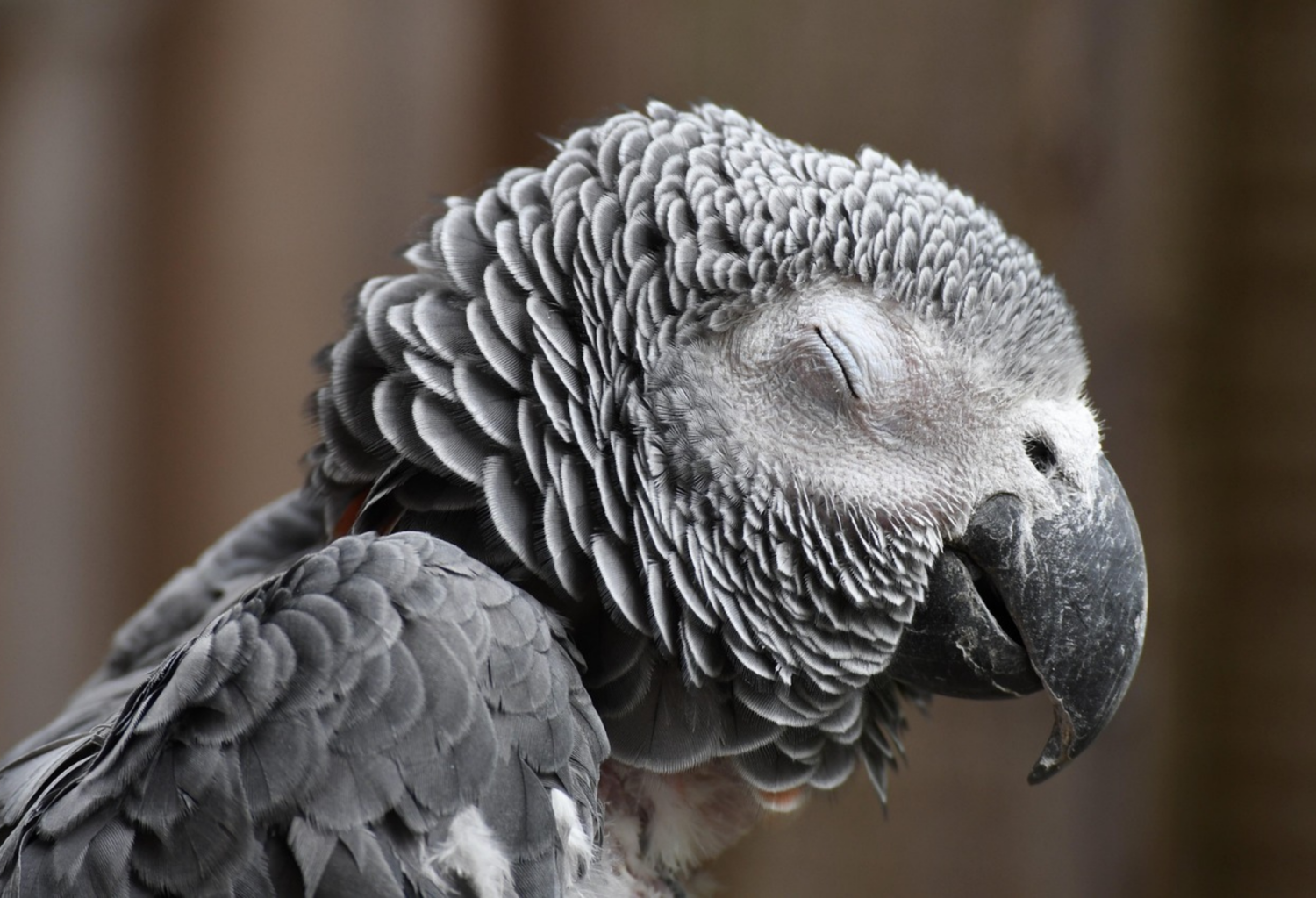
While HPAI H5N1 may seem like a disease affecting primarily commercial poultry and dairy operations, the virus has increasingly made its way into companion animal practice—and it’s not just through backyard flocks.
Advertisement
You’re midway through your morning appointments when a client walks in with a Congo African Grey parrot showing signs of respiratory distress: fluffed feathers, tail bobbing, and reduced vocalization. Minutes later, another client arrives with a lethargic indoor/outdoor cat that hasn’t eaten in two days. With limited isolation space, both animals are temporarily housed in the same treatment area. What seems like a standard caseload quickly shifts when test results show the parrot is positive for highly pathogenic avian influenza (HPAI) H5N1—raising concerns about potential cross-species exposure.
Why HPAI H5N1 should be on your radar
The current HPAI H5N1 clade 2.3.4.4b strain is rewriting the rulebook. It is now the most widespread HPAI outbreak on record, affecting millions of animals worldwide. Once mainly associated with poultry, the virus now impacts wild birds, mammals, cattle, and, of increasing relevance to companion animal veterinarians, domestic cats and pet and aviary birds.
Cases in pet birds are still relatively rare, but even a single infection can have ripple effects in mixed-species pet households and clinics. These cases raise important questions for veterinarians: What does infection look like in pet birds? How should you protect pet birds and their owners? And what should you do if you suspect a case?
The answers begin with recognition. Understanding how HPAI H5N1 presents in pet birds, what risk factors to ask about during intake, how to communicate with clients, and what to do when a case is suspected will help you respond quickly and effectively.
What to watch for: Clinical signs
Add HPAI to your differential when a pet bird presents with:
- Lethargy or fluffed feathers
- Respiratory distress (e.g., tail bobbing, open-mouth breathing, nasal discharge)
- Neurological signs (e.g., tremors, head tilt, ataxia, seizures)
- Diarrhea
- Anorexia or reduced vocalization
- Sudden death with no prior warning
Important: Some infected birds remain asymptomatic but can still shed virus, which is particularly concerning in multi-pet homes.
Risk Factors: Intake Questions to Ask Clients
Triage starts the moment a client walks through your door—or better yet, before they do. According to Dr. Amy Wells D.V.M., M.P.V.M., Associate Veterinarian at the Avian and Exotic Clinic of Monterey, “asking the right intake questions at reception can help flag potential HPAI exposures early and guide how you manage the patient”.
She recommends including some specific questions in avian intake protocols that will assist with assessing potential exposures:
- Has the bird had outdoor access where it could come into contact with wild birds (e.g., porch time, screened aviary)?
- Does the property have free-standing water that attracts waterbirds?
- Have there been any sightings of dead birds on the property?
- Does the bird share a home with backyard poultry?
- Does the client work with poultry or cattle?
- Has the bird been fed raw poultry or dairy products?
- Have there been any new bird introductions from pet shops, breeders, or rescues?
Suspect HPAI in a Patient? Follow this Checklist
- Triage at Reception
Screen for clinical signs and risk exposure at intake. Limit movement and patient contact. - Use PPE
CDC recommends:
- NIOSH-approved N95 respirator
- Nitrile gloves
- Eye protection (goggles or face shield)
- Fluid-resistant gown or coveralls
- Head covering
- Boot covers
3. Isolate the Animal
Designate a separate isolation area and immediately isolate suspect cases.
4. Report Immediately
HPAI is reportable. Contact your state public health veterinarian and state animal health official or USDA Area Veterinarian in Charge (AVIC) via 1-866-536-7593 and seek specific guidance on testing and disease control in your area.
5. Test Appropriately
Work with your state veterinary diagnostic or USDA NAHLN lab. Confirmatory testing is done at NVSL.
6. Review and Refine Infection Control Protocols
Use separate hospital areas and equipment for birds and mammals. Revisit your biosecurity SOPs. The Minnesota Department of Health has published guidance on infection prevention and control for HPAI.
For more information, see summaries on HPAI H5N1 and recommendations for prevention and control by Kelly et al. (2008) and the American Association of Avian Veterinarians Position Statement on H5N1.
Help clients reduce risk at home:
- Keep pet birds indoors and away from wild birds.
- Quarantine all new bird arrivals for at least 30 days.
- Avoid feeding raw or freeze-dried poultry and/or dairy products.
- Don’t share food or water bowls between species.
- Call your clinic immediately if sudden illness or death occurs.
- Use a footbath or wear designated footwear when outdoors—especially if there is free-standing water on the property or after visits to feed stores.
- Report any dead wild birds found on the property to local animal health authorities.
“Client education is key,” says Dr. Amy Wells. “We keep an HPAI information sheet in our reception area—it opens the door for important conversations and gives clients the tools they need to reduce risk for their pet birds.”
Treatment and Prevention
There is no approved treatment or vaccine authorized for HPAI H5N1 in companion birds in the U.S. Clinical management is limited to supportive care—such as fluids, thermal support, nutritional support, and antibiotics for secondary infections.
As HPAI H5N1 continues to cross species lines, your role as a front-line responder is critical. Early recognition, effective communication, and strong infection control protocols are your best tools to protect your patients, your clients, and your team.
Key resources and further reading:
- AAHA Infection Control Guidelines
- American Association of Avian Veterinarians Position Statement H5N1 Highly Pathogenic Avian Influenza
- APHIS/USDA HPAI Detections in Mammals
- APHIS/USDA Avian Influenza Detections in Poultry
- APHIS/USDA Avian Influenza Detections in Wild Birds
- California Department of Public Health What Veterinarians Need to Know about Bird Flu
- CDC Summary of Avian Influenza
- CDC Considerations for Veterinarians: Evaluating and Handling of Cats Potentially Exposed to Highly Pathogenic Avian Influenza A(H5N1) Virus
- CDC Information for Workers Exposed to H5N1 Bird Flu
- Kelly, T.R. M.G. Hawkins, C.E. Sandrock, and W.M. Boyce. 2008. A Review of Highly Pathogenic Avian Influenza in Birds, With an Emphasis on Asian H5N1 and Recommendations for Prevention and Control,” Journal of Avian Medicine and Surgery, 22(1), 1-16.
- Minnesota Department of Health Influenza A(H5N1) Infection in Companion Animals – Guidance for Pet Owners
- USGS Avian Influenza in Wildlife
- USGS Avian Influenza Surveillance in Wildlife
| Species impacted: | Cases: | Where: | How is it transmitted/spread?* | What to look for: |
|---|---|---|---|---|
| Domestic cats | 138 in U.S. since 2022 | 23 states: CA, CO, IA, ID, IL, KS, LA, MI, MN, MT, NE, NJ, NM, NY, OH, OK, OR, PA, SD, TX, UT, WA, WY | •Eating infected birds & rodents
•Eating raw meat or poultry products/ commercial pet food or unpasteurized milk •Contact with infected cattle/poultry and their contaminated environments •Contact with infected people or contaminated clothing and/or infected people possible but not established |
•Anorexia
•Lethargy •Fever •Oculonasal discharge •Difficulty breathing •Neurologic signs (ataxia, circling, tremors, seizures, blindness). •Can be rapidly fatal; however, serosurveys have reported antibodies to H5 viruses in ~12% of apparently healthy stray cats |
| Dogs (companion) | 0 in U.S. | Canada
Washington study detected H5 and N1 antibodies in 2% of hunting dogs |
•Eating infected birds | •Anorexia
•Fever •Conjunctivitis •Cough •Difficulty breathing |
| Poultry (includes backyard chickens and ducks) | Detected in 1,700 flocks; > 169.3 million birds affected in U.S. since 2022 | 50 states & Puerto Rico (commercial and backyard flocks and live bird markets) | •Contact with infected poultry or wild birds
•Contact with contaminated equipment •Contact with infected people or contaminated clothing •Poultry trade promotes spread |
•Acute mortality
•Respiratory signs (sneezing, coughing, oculonasal discharge) •Edema of the face and cyanosis of combs and wattles •Diarrhea •Skin hemorrhages •Decrease in egg production •Neurological signs (tremors, stargazing, paralyzed wings) |
| Cattle | 1,065 since 2024 | 17 states: AZ, CA, CO, ID, IO, KS, MI, MN, OH, OK, NV, NM, NC, SD, UT, TX, WY | •Contact with infected animals
•Contact with contaminated milking equipment and clothing (large amounts of virus shed in the milk) •Exposure to infected wild birds (Nevada and Arizona)** |
•Many subclinical or mild infections (unlike poultry) making detection difficult
•Thickened, abnormal milk •Loss of appetite •Lethargy •Low-grade fever •Mild respiratory signs •Diarrhea (less common) |
| Swine | 2 cases since first detection in 2024 | 1 state: OR | •Contact with infected animals
•When infected by cows, unlikely to infect other swine •Fomites/contaminated equipment |
•Coughing
•Fever •Respiratory signs •Loss of appetite •Lethargy •Abortions |
| Sheep | 0 in U.S. | Reported case in England | •Exposure to infected birds | •Mastitis, with no other clinical signs, was reported in this case |
| Wildlife | > 500 species globally (485 avian and 48 mammalian species)
U.S. wildlife cases are reported by the USDA and U.S. Geological Survey |
50 states, Puerto Rico | •Consumption of sick prey (mammals and birds)
•Direct transmission & contact with contaminated environments (including virus in water) for wild avian flocks •Rare reports of transmission between wild mammals |
Clinical signs in sick wildlife are variable, but generally include neurologic and respiratory signs.
Sick wild birds can have: •Eye swelling •Change in color of iris •Respiratory signs (sneezing, coughing, oculonasal discharge) •Gastrointestinal signs (diarrhea) •Neurologic signs (tremors/seizures) The most common clinical signs in sick wild mammals are: •Neurologic signs (tremors/seizures and ataxia) •Respiratory signs (nasal and ocular discharge and dyspnea) |
| People | 70 cases in the U.S. in the past year | 13 states: CA, CO, IO, LA, MI, MO, NV, OH, OR, TX, WA, WI, WY | •No sustained human-human transmission
•Contact with sick cattle & poultry •One North American fatality had genotype primarily found in wild birds •CDC study detected H5N1 antibodies in 2% (3/150) of bovine veterinary practitioners |
•Conjunctivitis
•Fever •Cough •Sore throat •Runny or stuffy nose •Muscle aches •Fatigue •Shortness of breath or difficulty breathing •GI signs (diarrhea, nausea, vomiting - less common) •Seizures (less common) |
The numbers represent reported cases, not the actual number of affected individuals.
* Information on modes of transmission are suspected or verified based on reported evidence for each species. In general, avian influenza viruses can be transmitted through direct contact, indirect contact (e.g., contaminated surfaces), and inhalation.
**The HPAI virus initially detected in dairy cattle, H5N1 clade 2.3.4.4b genotype B3.13, was the only strain known to infect dairy cattle. However, in early 2025, two spillover events involving a different genotype circulating in migratory birds, D1.1, occurred in dairy cattle in Nevada and Arizona. Ongoing new introductions will complicate efforts to control the virus in dairy cattle, underscoring the importance of robust surveillance and prevention measures.
Photo credit: Rachel Leslie via Pixabay
Disclaimer: Trends content is meant to inform, educate, and inspire by providing an array of diverse viewpoints. Any content published should not be viewed as an official stance, position, or endorsement by the American Animal Hospital Association (AAHA) or its Board of Directors.
