Culture and People
Pet food insecurity: A growing concern in today’s economic climate
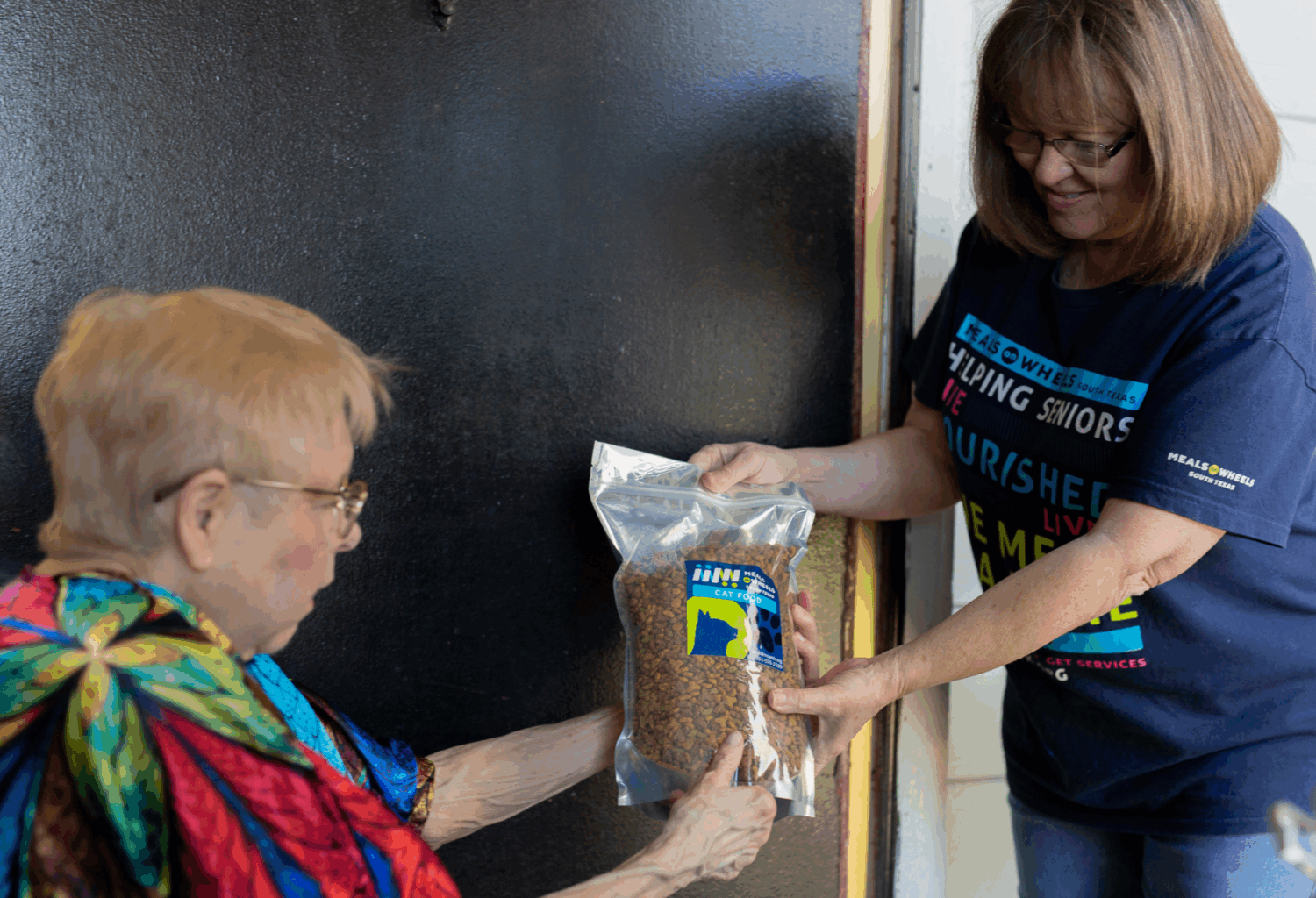
Pet food insecurity is on the rise, and in the current economic climate, it seems likely to continue to increase. Fortunately, there are a number of established organizations working to help keep pets fed (and keep families together), but they can’t do it alone. Learn how you and your team can make an impact in your community by identifying potential needs and connecting your neighbors with resources that can help them and their beloved pets.
Advertisement
“Is there any other diet you can suggest? That one is a little bit expensive.”
It is a sentence veterinary professionals hear regularly, often followed by an apologetic smile and an awkward silence. A dog with chronic gastrointestinal issues or a cat newly diagnosed with kidney disease may benefit from a prescription food, but the owner is clearly stressed. It is not that they do not care, it is that they just cannot afford it, and in the back of their mind they may feel the weight of silent judgement: “You should not have a pet if you cannot afford it.”
And it’s not only the pricier specialty foods that are an issue. Today, many people are struggling to feed their families, period.
Food insecurity is affecting more pets and families
According to Feeding America, over 47 million Americans currently face food insecurity. With 71% of U.S. households including at least one companion animal, empty dinner plates often mean empty pet food bowls. As inflation, housing instability, and stagnant wages make stretching household budgets increasingly difficult, many pet owners may feel that surrendering a beloved pet may is the only option left.
Pet food insecurity is a complex issue related to economic inequality, gaps in community resources, housing, and mental health challenges.
Kaitlyn Davis, MS, MPH, a public health researcher and research associate at the University of Tennessee’s Program for Pet Health Equity, explained the additional disparities in access that increase the hardship for vulnerable clients and their animals. “Black and Latino individuals are experiencing food insecurity at twice the national average,” she said. “And the LGBTQ+ population is, in particular, really disproportionately affected by food insecurity because so often food pantries are found at places of worship or faith-based places where people just don’t often feel comfortable going.”
Alarming increase in pet surrenders sparks concern
As awareness of pet food insecurity grows, mainstream media outlets have joined the conversation.
In July, CNN published A heartbreaking economic indicator: More people are giving up their pets, featuring Melissa Knicely, spokesperson for Charlotte-Mecklenburg Animal Care & Control in North Carolina. In that article, she stated, “Owner surrenders are up 43% this year, with the primary factor being economic.”
That same month, NBC’s Animal shelters are crowded as high costs squeeze pet owners included an interview with Risa Weinstock, President and CEO of Animal Care Centers (ACC) of New York City. Their three shelters have stopped accepting pets, and she explained why: “Animal shelters are crowded as high costs squeeze pet owners. The main reason for pet surrender is, ‘I can’t afford it.’ Vet care is expensive, food is expensive, I mean, just human cost of living is expensive.” Although they are not currently able to accept pets, ACC continues to provide free food, along with vaccine clinics and veterinary vouchers to help struggling pet owners.
Recognizing the hidden signs in the exam room
Veterinary professionals may have an early opportunity to identify at-risk families, beginning in the exam room. By recognizing warning signs and connecting clients with available resources, veterinary teams could help prevent surrenders before they occur, keeping more pets with the families who love them.
But that isn’t always easy to do. Food insecurity affecting companion animals often remains hidden until clinical symptoms appear. Pet guardians can find it uncomfortable talking about their financial difficulties during veterinary visits due to pride, shame, or fear of judgment.
The symptoms of inadequate nutrition can show up in different ways. A once-healthy dog may present with unexplained weight loss and a dull coat, a cat may be failing to thrive, or persistent wounds are not healing as they should. Without insight into home circumstances, these conditions risk being misunderstood or misdiagnosed.
Davis explained, “Poor nutrition leads to the same things in pets as in humans, like obesity, diabetes, weakened immune systems, and difficulty healing from infections or injuries. Pets eating inappropriate food can cause sudden obesity or other health problems.”
Families living with limited resources may be opting for lower-cost pet foods that are poor quality and high in fillers. Some attempt to compensate with nutritionally incomplete home-cooked meals, not realizing how complex adequate nutrition is for cats and dogs. In worse case scenarios, companion animals are experiencing irregular feeding schedules, or sometimes missing meals altogether.
Trying to work out whether an animal’s condition is a result of financial hardship or real neglect is highly sensitive, but it’s essential to the animal’s health that veterinary teams gain this insight. Approaching these situations with compassion and an open mind can lead to better results; when clients feel heard rather than judged, they are generally far more willing to cooperate. In the current economic environment, especially, routinely asking about access to resources, and not just looking at clinical symptoms, has become essential for helping pets stay with their families.
Collaborative care within your community
The 2024 AAHA Community Care Guidelines provide a blueprint for practices that want to expand their offerings by collaborating with nonprofit organizations and other resources within their communities. No practice can be all things to all people, and these guidelines lay out clear steps for providing family-centered care, even when that care means connecting your clients with someone beyond your clinic walls.
Case manager model supports families in need
Stacy LaBaron, President of Pawsitive Pantry, a pet food bank that has distributed over 450,000 pounds of pet food in Vermont and Massachusetts since 2009, also owns two specialist community veterinary clinics for cats. Her clinics use a case manager model to identify families who need support.
“A case manager, who will be a vet tech, will spend 40 minutes with the client and the vet usually sees them for 10,” she explained. “The case manager can use that time to find out what’s really going on. They’re the liaison with the family and the pet detective, if you want to call it that, or the cat information gatherer.”
LaBaron acknowledged that not all veterinarians have this option. In cases where there may be concern about an animal’s welfare due to food insecurity, she suggests having a conversation with a local humane society or food pantry. They want to help and most often, they will.
Her advice is simple. “Make one phone call. Have a conversation, [like,] ‘Listen, I’m totally drowning. Half the time I’m on diversion appointments [meaning we’re already at full capacity and needing to ‘divert’ less serious cases to other locations]. I can’t even deal with the broken legs. How am I supposed to deal with this?’ If I received this call, I would give them one of our [Pawsitive Pantry] business cards to hand out to people in the clinic.”
The reality of companion animal food insecurity
Research gives a clearer picture of the struggles pet owners experience when faced with food insecurity.
A 2021 study by Arnold Arluke published in Anthrozoös, summarized in Casey Bond’s April 2022 Faunalytics article Coping with Companion Animal Food Insecurity, examined 40 low-income pet owners accessing food pantries across three states. The study found that animal food insecurity existed among most participants; 38% had run out of food for their animals in the past, and over half frequently worried about having food for their pets (even when food didn’t actually run out).
The study also identified the ways owners attempt to keep their pets fed:
- 70% reported sharing their own meals, offering table scraps, feeding pets from their plates, or even having cats and dogs share food.
- 75% sacrificed essential expenses like rent payments or transportation costs to keep their animals fed.
- Participants described regularly visiting food pantries, leaning on social networks for support, and bartering services like childcare for pet food.
Despite these immense challenges, the majority of owners refused to surrender their pets because they worried that their animals might face euthanasia due to breed prejudices, age, size, or behaviors that make adoption unlikely. These findings underscore how deeply pets are valued as family members, even in the most financially strained households.
Understanding and addressing pet food deserts
Recognizing the geography of pet hunger is also essential. Just as some communities suffer from veterinary deserts or human food deserts, “pet food deserts” limit access to healthy pet food, especially in rural or low-income urban areas. Recommending a specific premium brand or prescription diet is unhelpful if it is not available locally or unaffordable.
Davis urges veterinarians to be aware of local realities. “One actionable step for veterinarians is to understand what’s going on in your community. Know if you’re operating within a food desert and whether there are places to refer clients to for pet food,” she said. “If not, talk to organizations about incorporating that support.”
Older adults, pets, and food insecurity
For many older adults, their pets are not just companions, they are lifelines. “Fifty nine percent of home delivered meal clients live alone, so for many homebound older adults, their pet may be their best friend and one of their only sources … of comfort and companionship,” said Morgan Hultquist, Senior Manager, Strategy & Impact at Meals on Wheels America.
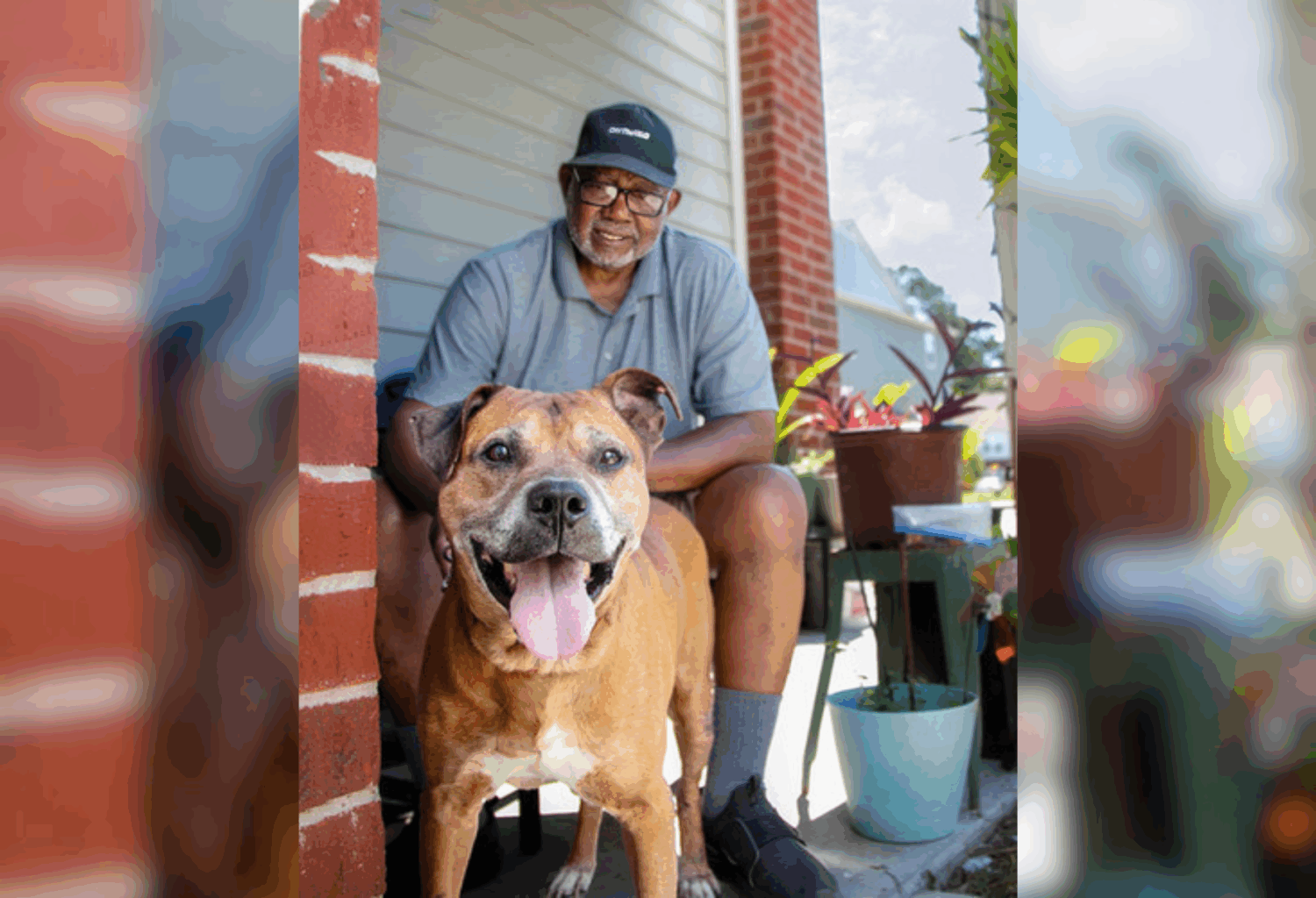
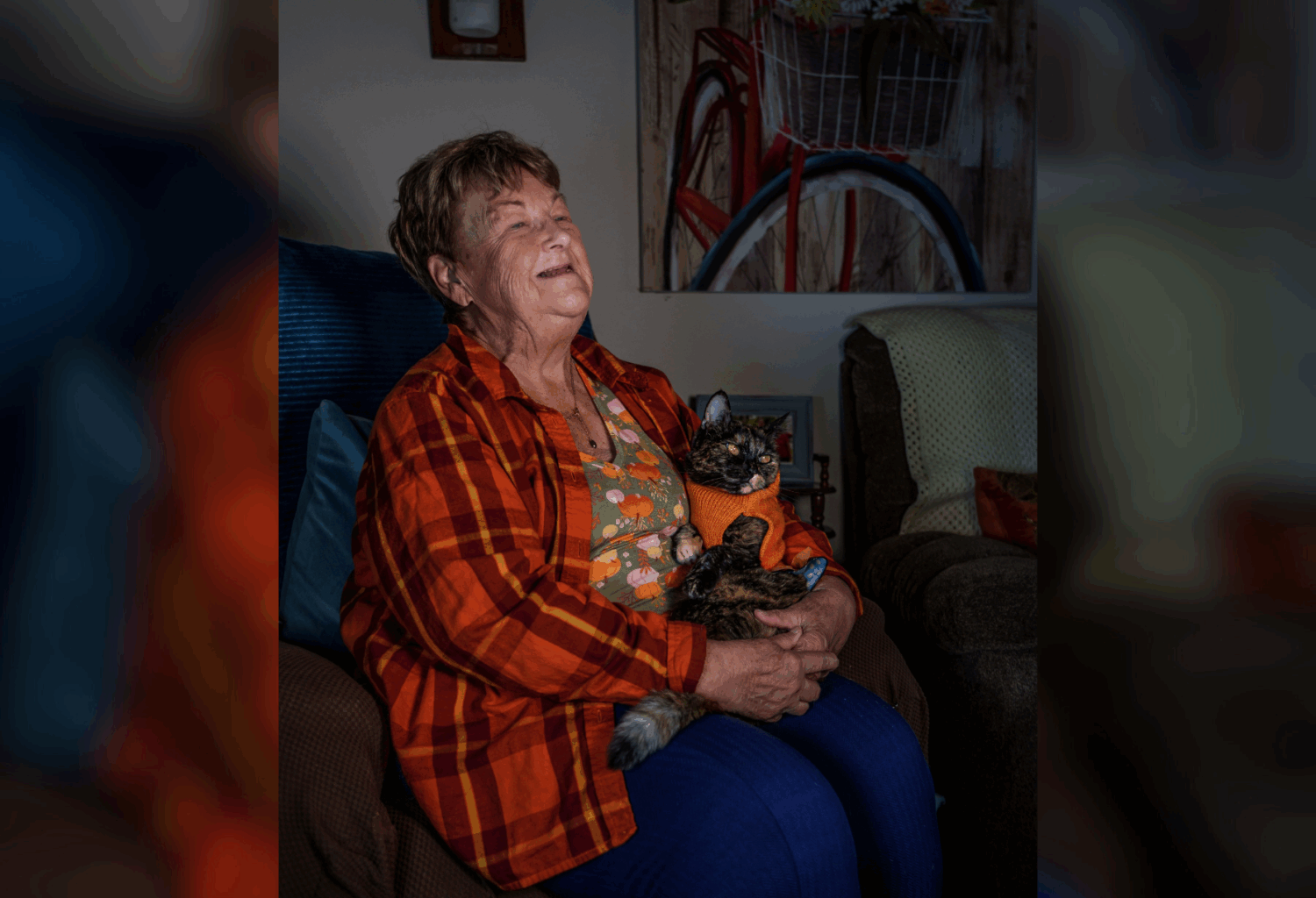
Meals on Wheels has supported older adults with pets since 1984, expanding as the need grew. In 2019, Meals on Wheels America partnered with PetSmart Charities, which funds local programs, allowing significant growth to meet increased demand during the pandemic. As of this year, the collaboration has delivered 15 million pet meals. Hultquist said. “Volunteers and staff who were delivering meals were also often noticing that clients were feeding their home delivered meals to their pets to make sure that their pets were getting nutrition which, of course, takes the nutritious meal away from the client and it’s not typically good for the pet.”
Today, over 41% of Meals on Wheels services provide assistance with pet food, transportation, supplies such as cat litter and leashes, veterinary care, grooming, and emergency boarding. According to Meals on Wheels America, the most needed services for their older adult clients with pets are pet food, vaccinations, nail trimming, and assistance in lifting food. More than 20% of clients report going without food themselves to feed their pets, and 45% are unable to get preventive care for their pets, with cost and transportation named as the biggest barriers.
Although Meals on Wheels is primarily known for delivering food to people, they are part of the wider community of human health and care providers who recognize the importance of the human-companion animal bond.
Caring for clients through a One Health lens
Launching on August 27, 2025, the AAHA One Health Guidelines: Navigating Cross-Disciplinary Partnerships were created to better equip veterinary professionals to handle cases where a family’s challenges—including food insecurity for themselves and/or their pets—complicate patient care. Learn more here, and be sure to read the complete guidelines starting August 27 at aaha.org/onehealthpartnerships.
“The number one thing that we know and have learned from these services is that 97% of clients say that Meals on Wheels support makes it possible to keep their pet, so we know it is very impactful,” said Hultquist.
Hultquist stressed the importance of making sure all households with pets, regardless of age, mobility, or income, have reliable access to food for their animals.
“I think the homebound older adult population is often not left out, but they’re a second or third tier thought when it comes to keeping pets and people together,” she said. For those who are housebound or frail, even simple tasks like carrying heavy bags of pet food can be a significant challenge. Because providing food is only one part of keeping an older person with their pet, many Meals on Wheels programs offer helps with transportation, supplies such as cat litter and leashes, veterinary care, grooming, and emergency boarding.
Meals on Wheels America makes it simple to check for local services. Veterinary teams can enter a ZIP code on their Find Meals and Services Near You webpage and reach out to the program directly to get involved, or share the information with clients who may benefit. Displaying flyers for local programs in the waiting areas and mentioning the service during appointments can increase awareness.
And, for veterinarians wanting to get more involved, they can make a significant impact for older adults by offering discounted or donated care, hosting pet food drives, or supporting outreach efforts.
Pet food pantries serve up more than just food
Larry Chusid, Founder and Director of The Pongo Fund, has overseen the distribution of over 37 million pet meals across Oregon and Washington since 2009. He witnesses, first-hand, the way food insecurity impacts the human-animal bond.
“Hungry people have hungry pets,” he said. “I coined that phrase very shortly after The Pongo Fund started and I still believe it today. I have never met someone who is not hungry who has a hungry animal. Typically, the people are going hungry before the animal goes hungry.”

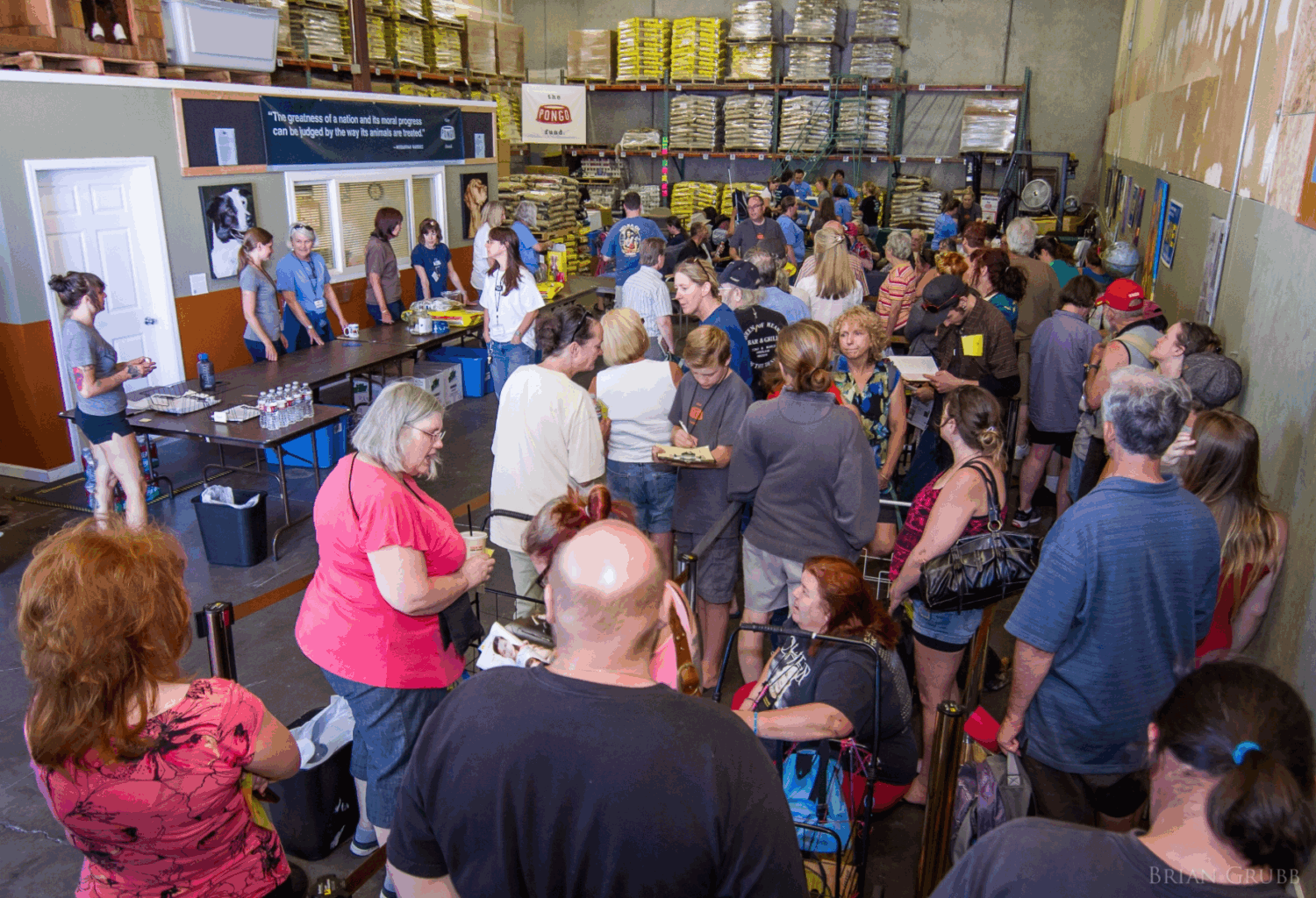
The Pongo Fund’s support extends far beyond food. Their mobile veterinary clinic provides free, high-quality general and specialist care, including life-saving surgeries, while partnerships with human service agencies address broader humanitarian needs. Chusid emphasizes that their work is not just about filling hungry bellies. “At the same time, with food, we tried to nourish both stomach and soul. You can’t just feed a stomach without addressing the entire issue,” he said. “Our work at its core is tactile, it’s spiritual, and it’s holistic. In our work we do more than follow our hearts but we believe following our heart is a good place to start.”
The impact of their work affected change in the community within their first year, Chusid said: “After operating for a year, local animal welfare groups shared that their data showed a significant reduction in surrenders. That wasn’t happening anywhere else in America. And all of a sudden it was happening here, and they connected it to what we were doing.”
This community impact earned Chusid both the Veterinary Service Award from the Oregon Veterinary Medical Association and The Spirit of Portland Humanitarian award.
The power of early intervention
Veterinary teams are on the frontline of protecting the bond between people and their companion animals. They can also be part of addressing pet food insecurity through simple but effective actions.
Clinics in areas impacted by food insecurity and food deserts can maintain up to date referral lists for local pet food pantries and delivery programs. They can have posters or leaflets available in their waiting areas advertising support services for pet carers in financial hardship, and share links on their websites and social media platforms.
For practices who want to become more involved in community action and advocacy, they can partner with shelters or nonprofits to host on-site pet food distribution events and create donation bins for unopened food, especially prescription diets.
LaBaron emphasizes this need: “We are always hunting for unopened bags of prescription food for these folks because they just can’t afford it.” These efforts create a safety net while normalizing support services, reducing stigma for clients who might otherwise hesitate to ask for help.
Davis stressed that proactive support saves both pets and costs. “If a client is not able to afford food for their pet now, it’s going to cost more in the long run. Preventative care is cheaper than therapeutic care.”
And the current economic climate is only increasing the need for action, she added. “Now is the time, more than ever, that we need to be looking at this issue and thinking about ways that we can tackle it, because we are definitely seeing a lot of people whose families are being broken up because of changes in the economy.”
Most families facing food insecurity love their animals deeply. Their struggle is about access, not commitment, and they need to know that their veterinarian understands this.
By approaching clients as partners, veterinary teams can respect the dignity of their clients and make support and assistance feel like a routine resource, not an indication of failure. Addressing food insecurity is no longer optional. It is essential for keeping pets healthy—and families together.
Resources
- Pawsitive Pantry (serving Vermont and Massachusetts)
- Meals on Wheels Pet Program Fact Sheet (2025)
- Meals on Wheels America Local Services Finder
- The Pongo Fund (serving Oregon and Washington)
- Pets of the Homeless—services locator
- Program for Pet Health Equity
- Human Animal Support Services—search for free or low-cost pet support services including veterinary care, pet food pantries, and more
- 2024 AAHA Community Care Guidelines
- 2025 AAHA Referral Guidelines
- 2025 AAHA One Health Guidelines: Navigating Cross-Disciplinary Partnerships (launching August 27, 2025)
Photo credits: Lead photo, Meals on Wheels America. Slideshow photos, Meals on Wheels America and The Pongo Fund (courtesy of Larry Chusid).
Disclaimer: Trends™ content is meant to inform, educate, and inspire by providing an array of diverse viewpoints. Any content published should not be viewed as an official stance, position, or endorsement by the American Animal Hospital Association (AAHA) or its Board of Directors.
