Dental Resources
Pets need dental care, too—But not just during National Pet Dental Health Month
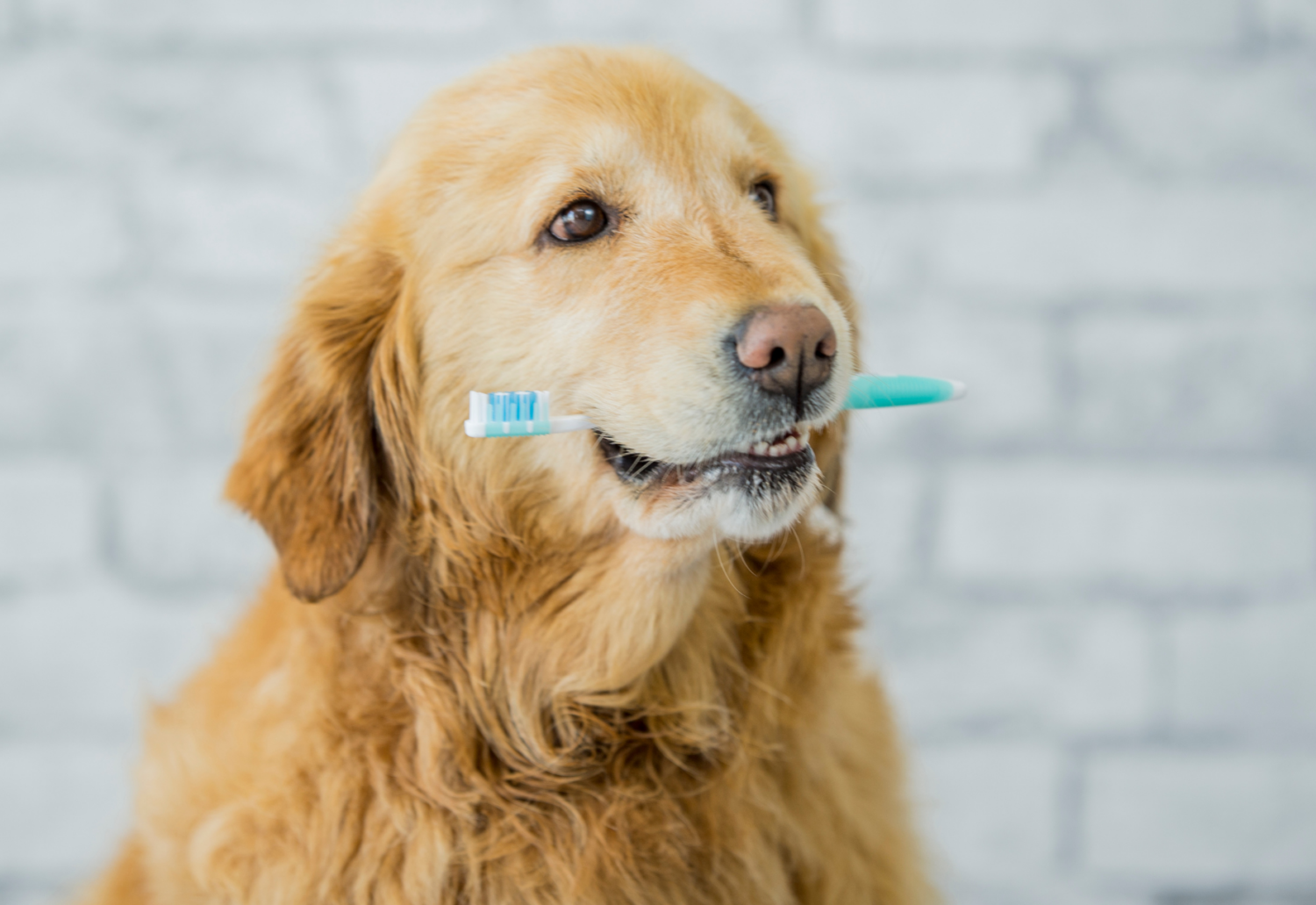
National Pet Dental Health Month has helped raise awareness surrounding the dental health of pets, but is the one-month focus limiting progress? Explore ways to ensure pet dental care remains a priority all year long.
Advertisement
As February nears its end, we also bid a joyous farewell to National Pet Dental Health Month. Many will be resuming their normal routine after the 28th. However, others will continue their back-breaking, hand-numbing dental work well into the month of March.
But why?
February has been informally known as “National Pet Dental Health Month” since 1993. Founded by the American Veterinary Dental Society, its intention was to prioritize professional dental care for feline and canine patients.
The month’s origins
Realizing the initiative was not readily practiced throughout the community, in 1995, the American Veterinary Medical Association and Hill’s Pet Nutrition began sponsoring the month. The campaign, Pets Need Dental Care, Too, was a part of this initiative as well. Following this partnership, media kits, educational materials, live support from a campaign spokesperson, and adorable cartoon mascots were promoted and made available for veterinary professionals to utilize.
Even with the additional support, pet parents were slow to act, posing another challenge to overcome. Queue the National Pet Dental Health Month we know today. Discounted dental procedures became a standard practice, and for pet parents, an annual expectation.
But why should dental care for our beloved pets be limited to one month of the year? Doing away with this mindset has been an ongoing call-to-action. For many practice team members, it’s also a plea for relief. And what better year to switch things up than the 30th anniversary, which would traditionally involve the exchange of a pearl–or tools to keep a pet’s pearly whites healthy, in this case.
With that in mind, here’s how your practice can keep the spirit of National Pet Dental Health Month alive long after the February frost has thawed.
Tips for year-round dental care
Offer discounts
Consider discounting a portion (or the entirety) of the patient’s dental procedure if scheduled within x-number of weeks of the initial recommendation.
Doing so offers several benefits. Not only will it urge timely compliance, but it offers an incentive to pet parents to act quickly, rather than scheduling for the following February.
Encourage education
Incorporate educational opportunities on oral disease processes (specific to the patient) during wellness appointments.
This may also be done during sick visits, should oral health be one of the primary concerns (to avoid detracting from the chief complaint). Allow the pet parent to visualize the condition of the patient’s dental disease. Then, create an educational environment for the concerns that may arise if an intervention is avoided.
Create a loyalty program
Loyalty programs aren’t just for your favorite airline! You can also create one for your practice. For example, for every accepted service or product, the patient will receive a stamp or “punch” on a loyalty card. At intervals defined by the leadership team, a new discount or item will be awarded to the patient, with the final being a dental procedure at a reduced cost.
These and many other options may be explored to more evenly distribute the workload of National Pet Dental Health Month, while continuing to promote the original intention. Pets still need dental care, too. But not just in February.
Further reading:
Veterinary Oral Health Council
Perhaps it’s time to abandon Dental Health Month
Brush, chew, and chomp: Canine and feline dental home care tips for your clients
Photo credit: © FatCamera via Getty Images Plus
Disclaimer: Trends content is meant to inform, educate, and inspire by providing an array of diverse viewpoints. Any content published should not be viewed as an official stance, position, or endorsement by the American Animal Hospital Association (AAHA) or its Board of Directors.
