Clinical
Poisons Help: A global Facebook network supporting veterinarians with toxic mushroom and plant ID
Most veterinarians aren’t trained in botany or mycology, and even those who can confidently identify common garden hazards like lilies or Amanitas may be stumped when presented with an unusual mushroom species or uncommon plant. That’s why Poisons Help, a Facebook-based volunteer network, can be an invaluable resource for veterinary professionals (and pet parents) the world over.
Advertisement
When a dog arrives at the clinic trembling, vomiting, or in a state of collapse, no time can be wasted. Quickly identifying a suspected toxin can be the only hope for recovery. When a wild mushroom or plant is the possible cause, identification can be a stressful challenge, and misidentification could lead to a poor outcome.
Poisons Help: Emergency Identification for Mushrooms & Plants, founded in 2018, is a Facebook-based volunteer network that has become an invaluable resource for veterinary professionals worldwide. The group itself now numbers more than 300,000 members globally. Within that community there is a dedicated, vetted response team of over 300 international specialists, including mycologists, botanists, veterinarians, nurse practitioners, and other health professionals, who handle urgent identification requests. This team focuses on providing rapid, accurate identification of mushrooms and plants that may be toxic to animals and people.
About Poisons Help
Kerry Woodfield, founder of the group, is a specialist in wild fungus and plant identification and an instructor with Wild Food UK. She explained its origins simply: “We saw this need. See a need, fill a need. And it evolved from there.”
Poisons Help: Emergency Identification for Mushrooms & Plants is used as a resource and referred to by both the National Capital Poison Center (aka Poison Control, online and via phone at 800-222-1222) and ASPCA Poison Control (online and by phone at 888-426-4435). Its role in modern veterinary practice is growing as a vital support tool when minutes matter and certainty is required.
“How I see it is, if your dog or child eats a plant or mushroom, Poison Control starts a case file for you with a number, refers you to our Facebook group for an assessment/ID, then you take that information back to the center you called, and they give you information from their database to move forward with,” said Spike Mikulski, an executive chef in Rhode Island who forages professionally and teaches the state’s mushroom foraging certification program. “Poison Control handles all poison cases, they just refer mushrooms and plants to us because I assume they have a thin identifier base.”
This close coordination between Poison Control and the group demonstrates how the expertise within Poisons Help has been recognized as essential when making emergency medical decisions in suspected cases of fungus or plant toxicity.
The critical role of accurate plant and mushroom identification in veterinary care
Most veterinarians are not trained in botany or mycology. Even those who can confidently identify common garden hazards like lilies, sago palms, or Amanita mushrooms may be stumped when presented with an unusual mushroom species or an uncommon plant—or, more often, just a piece of a plant or mushroom.
There are more than 14,000 described species of mushrooms worldwide, with hundreds known to cause illness or death in humans and animals. Similarly, thousands of common house, landscaping, and wild plants have varying levels of toxicity. No veterinary curriculum could be expected to prepare practitioners to recognize them all.
Marina Kviker, DVM, fungus identification specialist and emergency veterinarian at Ocean State Veterinary Specialists in Rhode Island, has seen firsthand how this can play out in veterinary medicine. “It’s possible for a mushroom or even plant poisoning to be written off as another type of toxicity because it just doesn’t ring alarm bells,” she said.
Complicating matters further, toxic and nontoxic species of mushrooms and plants can look nearly identical. Amanita phalloides (the infamous death cap), for example, can be mistaken for a few edible mushrooms. In many poisoning cases, the clinical signs are nonspecific and overlap with other conditions, making identification of the ingested material the only way to guide treatment.
How the group works
Poisons Help: Emergency Identification for Mushrooms & Plants is a strictly moderated Facebook group. Their response and identification team includes botanists, mycologists, veterinarians, and other specialists who can contribute local knowledge. When suspected poisoning occurs, a medical professional or member of the public can post a request for help.
It is important for anyone, whether a veterinarian or pet guardian, to keep an eye on their post to answer questions from the group experts to assist in quick identification. It is understandable that veterinarians may be busy, or pet caregivers may be rushing in the car to the emergency clinic. Still, it is always advisable to have someone who can stay with the post to communicate and answer questions from the team. Once sufficient information has been shared, group experts will collaborate to identify the specimen. If all goes well, this can sometimes happen within minutes.
The team will provide science-based identifications and information about toxicity. No medical or treatment advice is given within the group. Once the plant or mushroom is identified, the veterinarian can use that information to follow up with established toxicology resources such as the ASPCA toxicology database, peer-reviewed literature, or Poison Control, to determine the appropriate course of treatment.
Speed and accuracy in emergencies
The value of this system lies in both speed and accuracy. In cases of mushroom ingestion, the window for effective treatment can be very narrow. Amanitin toxins cause irreversible liver damage if not treated quickly, while muscarinic mushrooms may require atropine administration within hours. The sooner the group is contacted and given accurate information, the sooner they can respond.
The group provides guidelines asking for clear photos of the plant or mushroom, along with details such as location, habitat, circumstances of ingestion, and species/size of animal that ingested it. However, people are often panicked and may not provide the right information. This can cause delays, and, in urgent cases especially, it can be frustrating for volunteers who are trying to help.
To ensure caregivers and veterinarians provide the most useful information possible, members of the group provided the following guidance.
- Photographs are essential. This is especially true for mushrooms, said Mikulski, who noted that, without a photo (and something within the photo to provide a size comparison), “you don’t know if it’s the size of a golf ball … or a basketball, and size matters when it comes to identification.”
- Show the whole plant. If at all possible, include the entire plant or mushroom in the photo, including the cap and the bottom. “With Amanita specifically,” said Kviker, “you have to dig the whole thing out because it’s born out of this beautiful little mozzarella ball.”
- Get specific with clinical signs. “With mushrooms in particular, symptoms [are important],” said Mikulski. “Every mycotoxin has different [clinical signs].” Be clear about timing of onset, signs, severity, and time since ingestion, and any other details you can offer, including information about the type of animal who ingested it.
- Location matters. Because mushrooms and plants grow in different places and during different seasons, your precise location is necessary for the experts to do their part. And do not abbreviate, since initials can mean different things in different parts of the world, and an abbreviation may cause confusion for the global team, said Woodfield. WA, for example, could mean Washington in the United States, but it can also refer to Western Australia.
- When in doubt, provide everything you can. Sometimes the only evidence you have is what the pet vomits up; in that case, pick it out and photograph it, said Woodfield. If you know where the pet has been but there are multiple plants that could be the culprit, photograph them all. Any details about the plant or mushroom, paired with other documentation mentioned, can be helpful.
Professional credibility and challenges
Because the group exists on a social media platform, veterinarians may question its reliability. The moderators address this by enforcing strict quality controls, emphasizing evidence-based identification, and relying on consensus among multiple experts.
Many of the most active identifiers are botanists and mycologists with decades of experience. Only vetted members of their expert team are allowed to respond to queries posted on the page.
They can deal with hundreds of enquiries in a single day and use a triage review system during their post-approval process to ensure that the most urgent cases are prioritized. For instance, while “My dog sniffed a mushroom, will he be OK?” is a common question, it is unlikely to receive immediate attention. Their expertise is available around the clock because the team is global.
Having a veterinarian like Kviker on the team is also a huge help in veterinary emergencies. “My specific roles for the group are approving cases, alerting the team, and anytime a dog ingests this specific type of toxin, they tag me or reach out to me,” she explained.
Kviker has a great deal of experience with mushroom toxicity in companion animals and is always happy to assist and support veterinarians if they request additional guidance. In fact, they can speak to her directly. “The admin has my contact info and if the treating veterinarian has not treated it before and doesn’t know how to, I will walk them through the protocol because I feel like our hospital probably has treated more than most, or at least we have a pretty good success rate.”
While the group does not always hear back on outcomes, bad news is particularly upsetting when it comes. Often this is because pet parents do not recognize the risks, and they may delay seeking veterinary help.
In one case, a veterinarian reported that a puppy did not survive, and the team was devastated. “The vet ended up reaching back out to me to say they ended up euthanizing because the puppy was too sick by the time they got it,” Kviker shared. “It was two days in and usually if they are not treated within the first 36 hours, it’s less than a 50-50 chance that you’re going to be able to get them through.”
Dogs, naturally, are not the only animals they are asked about. “Cats and lilies in particular, and we’ve had a few cases with cats eating mushrooms,” Mikulski said. “Birds sometimes. We had some ducks once. They actually ate a neurotoxic Amanita, and they were just acting drunk and couldn’t lift their heads off the ground. We saw videos and pictures. I don’t think any of the ducks died because eventually, once it gets through your system, you’re fine. We get horses, we’ve had goats. We’ve had a variety of animals that come in and it’s all a little different.”
Woodfield stressed that one of the most common and preventable animal poisonings is caused by lilies. “We get a massive spike of lily poisonings on Valentine’s Day and Mother’s Day [both on Britain’s Mother’s Day and in the Americas],” she said. “Anywhere else, on Easter, it’s the worst. I would like to get legislation passed that makes it makes a legal requirement for florists and anyone selling bouquets of flowers to put ‘cat killer’ on anything containing lilies.”
Learn more about common toxins
Looking to boost your knowledge regarding common pet toxins? Renee Schmid, DVM, DABT, DABVT, shared the top 10 toxins affecting dogs and cats in her recent AAHA webinar, and you can catch the recording here. Additionally, if you’ll be at AAHA Con 2025 in Chicago, you won’t want to miss her sessions on Saturday, September 13: Urban Legends in Toxicology, Too Much of a Good Thing, and I Can Do It With a Broken Bank.
Helping clients prevent poisoning
While emergency identification is critical, prevention remains the best medicine. Veterinarians are uniquely positioned to educate their clients about the risks posed by toxic plants and mushrooms. Practical steps include:
- Clinic posters and handouts. Simple, visual reminders about dangerous household and local plants, especially lilies.
- Local alerts. Seasonal reminders about toxic mushrooms when conditions are right for their growth, or warnings about region-specific wild plants such as poison hemlock.
- Conversation starters. Asking new puppy or kitten owners about their gardens or houseplants during wellness visits.
- Guidance for staff. Training staff on how to get the most accurate information from clients, including photos, to speed up identification.
By making plant and mushroom safety a routine part of client education, veterinarians can reduce the number of emergencies that reach their doors.
Why using Poisons Help should become standard practice
For practitioners, the benefits of seeking guidance from Poisons Help: Emergency Identification for Mushrooms and Plants are clear. They include:
- Rapid access to expert identification in uncertain cases.
- Global reach that covers both local and exotic species.
- Peer-reviewed consensus rather than single opinions.
- A free, easily accessible tool that complements professional toxicology services.
In practical terms, this means veterinarians can make faster, more confident decisions, avoid unnecessary treatments when a plant or mushroom turns out to be benign, and pursue aggressive intervention when a dangerous species is confirmed. It also provides veterinarians with tools to better educate clients about the risks present in their gardens, homes, and parks.
Woodfield emphasizes that for families, the impact is deeply personal. “People come back and say, ‘My dog was ill and because of your fast work, my dog survived,’ or ‘My dog was in intensive care for three weeks but pulled through,’” she said. “These are people’s family, you know.”
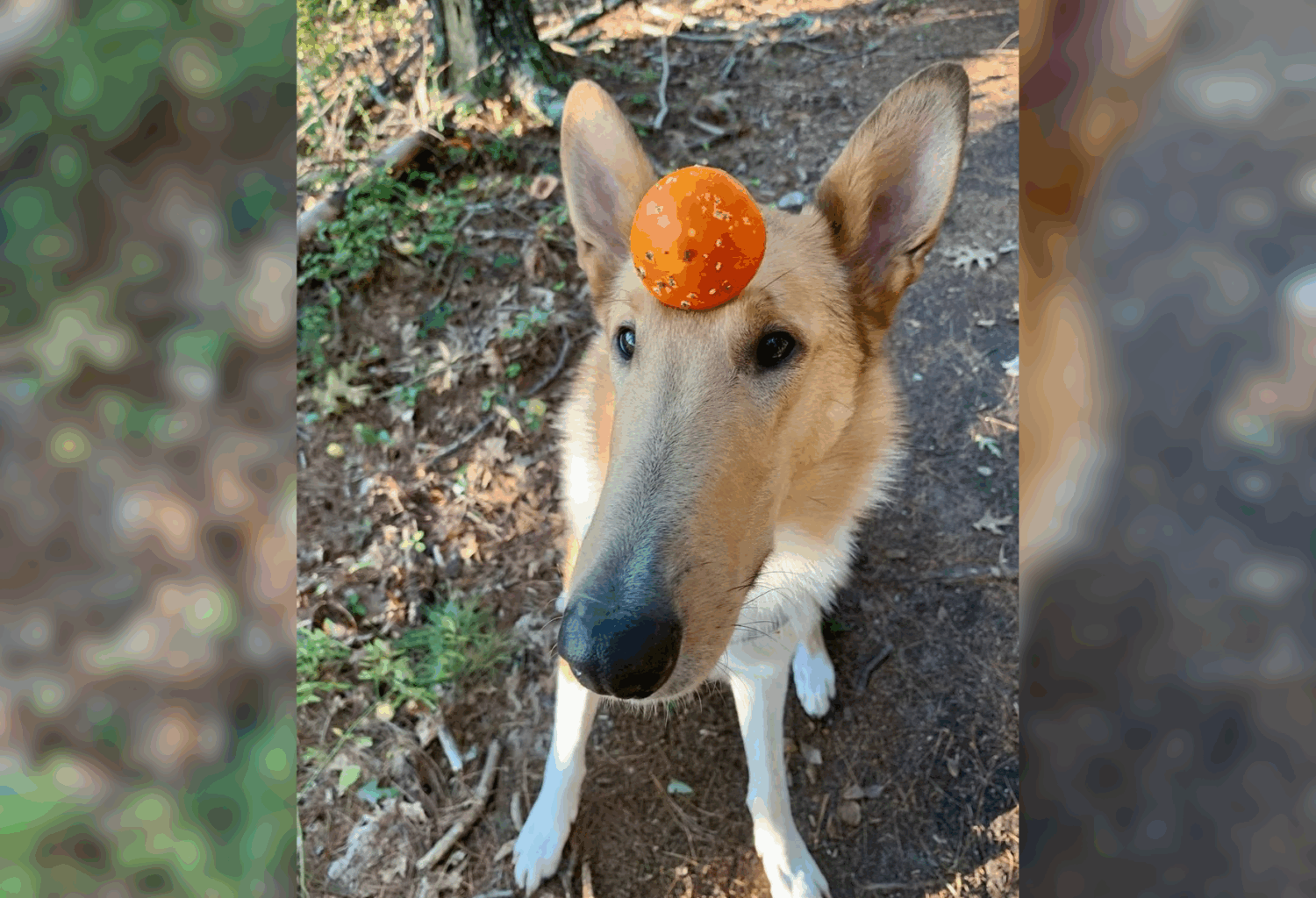
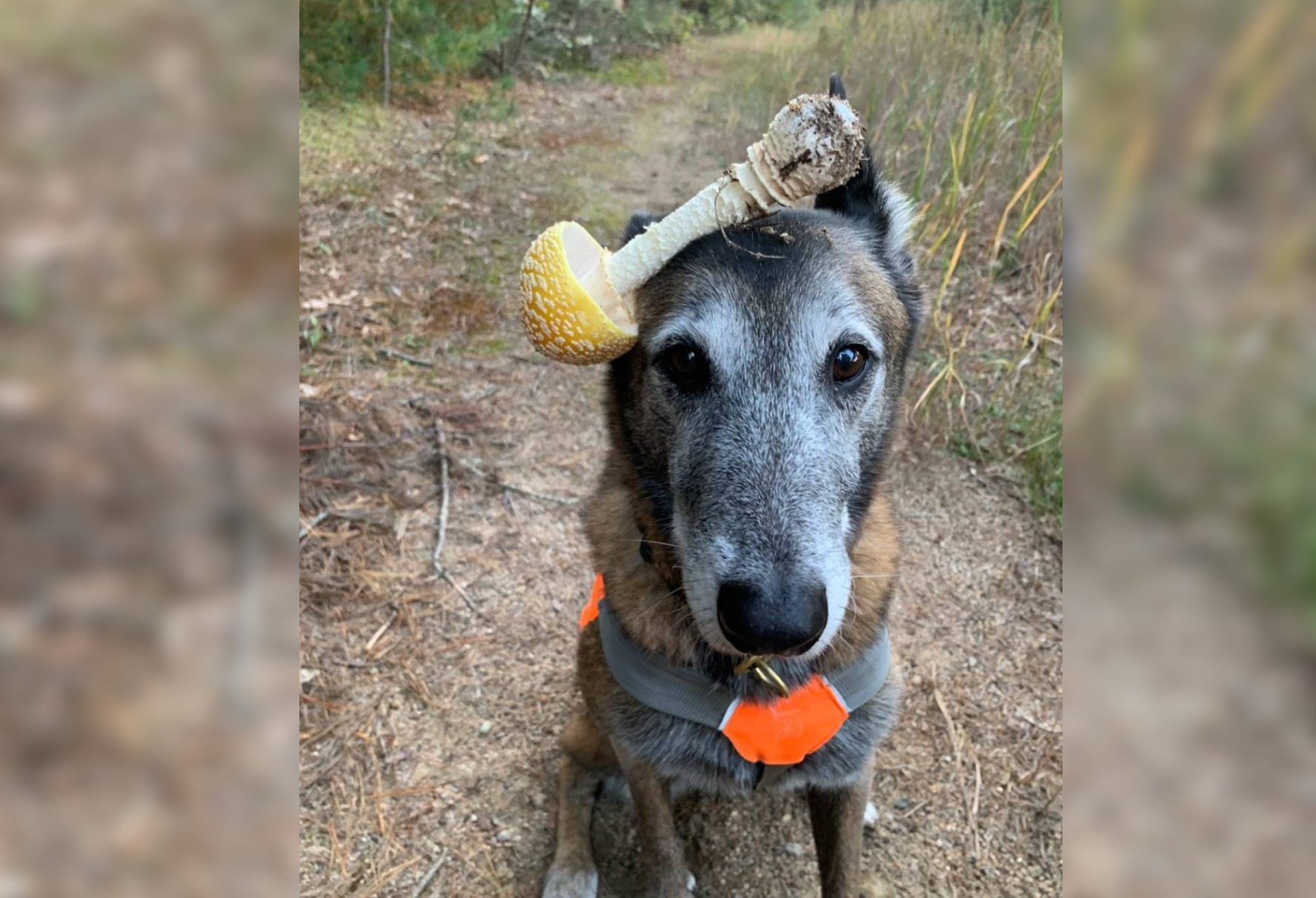
Photo credits: Photos of dogs (Elko and Lily) posing with Amanita mushrooms courtesy of Marina Kviker, DVM.
Disclaimer: Trends™ content is meant to inform, educate, and inspire by providing an array of diverse viewpoints. Any content published should not be viewed as an official stance, position, or endorsement by the American Animal Hospital Association (AAHA) or its Board of Directors.
