Clinical
Precision fermentation protein: A sustainable alternative for pet food?
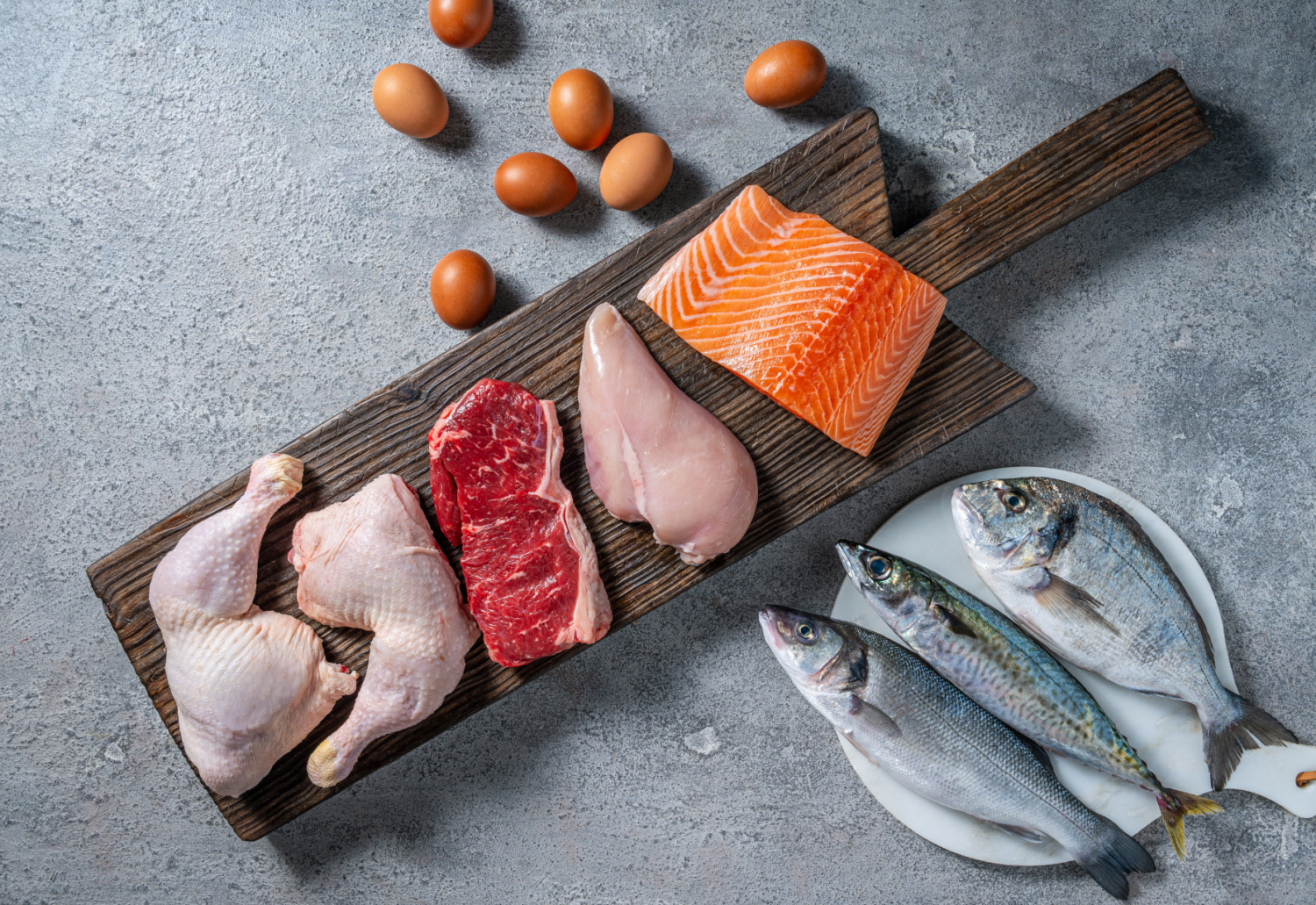
Precision fermentation protein offers a unique, sustainable alternative to traditional pet foods without the ethical and environmental impacts of animal consumption.
Advertisement
Hill’s Pet Nutrition, in collaboration with Bond Pet Foods, recently announced the receipt of a Letter of No Objection from the U.S. Food and Drug Administration (FDA) for their Lamb Protein Yeast ingredient. This protein was made with precision fermentation, a process that uses yeast cultures to produce proteins like lamb, chicken, and beef that are nutritionally comparable to animal-derived protein. The Letter followed FDA review of a six-month longitudinal feeding study using the ingredient. According to Nick Rozzi, PhD, Hill’s Pet Nutrition Vice President of Product Development, 72 dogs were fed dietary formulations containing up to 40% of the protein in the study. “The results showed the protein is safe and effective, with no adverse events observed, no change in body composition, and great digestibility,” said Rozzi.
The FDA Letter of No Objection potentially paves the way for pet food ingredients made from precision fermentation to enter the market on a wide scale, which could mitigate some of the negative impacts of the pet food industry on the environment and animal welfare.
Environmental and animal welfare impacts of the pet food industry
Families with pets often want the best possible nutrition for their dogs and cats, and the current global market offers a myriad of options. In 2026, global pet food market revenue exceeded $161 billion, with $66 billion of that revenue generated in the United States. Between 2026 and 2030, the market is expected to grow around 5% annually. While vegetarian and vegan diets are available for dogs, most diets rely heavily on animal-derived protein sources, and most of these protein sources are from intensively raised animals. This comes at a cost to the environment and the welfare of farmed animals.
In 2017, Okin and Crowther estimated a substantial environmental impact of pet food in the United States, to the tune of 25-30% of the impact of animal production based on land and water use, fossil fuel, phosphate, and biocides. While this estimate has since been widely criticized as lacking nuance, the essential point remains that the environmental footprint of pet food is not trivial. A 2020 study conducted on the global impact of pet food production concluded that, while human consumption of animal products vastly outstrips consumption by dogs and cats, emissions from pet food production are equivalent to the 60th highest emitting country, with an environmental footprint measuring twice the land mass of the United Kingdom.
Organizations such as the FAO and IPCC advocate for dietary shifts away from animal protein to reduce greenhouse gas emissions. These organizations have expressed support for exploring alternative protein production like precision fermentation as one possible strategy to reduce global animal consumption.
Additionally, animals in intensive farming systems face numerous costs to their welfare, including the inability to express species-specific behaviors, pain associated with disease and injury, chronic stress, and long transport times (up to 28-36 hours) without food or water. A Faunalytics survey of 1,000 U.S. adults found that 71-85% view standard agricultural practices, such as extreme confinement, painful procedures performed without analgesia, and calves separated from mothers, as unacceptable. Shifting away from animal use can help mitigate welfare concerns that are becoming increasingly problematic for consumers and improve the lives of farmed animals.
What is precision fermentation?
Precision fermentation combines advanced technology with traditional fermentation techniques by modifying microorganisms such as bacteria or yeast to create a desired product. According to the Good Food Institute, a nonprofit think tank for alternative proteins, precision fermentation “uses the natural abilities of certain microorganisms like yeast to produce high-quality, low-cost ingredients sustainably and quickly.” The process has been used to produce animal-free cheese and eggs. Other uses being explored include sustainable palm oil, coffee, and chocolate.
Jennifer Mitchell, Hill’s Pet Nutrition Marketing and Innovation Acceleration Director, said, “Bond’s precision fermentation process has been carefully reimagined to more efficiently produce proteins like lamb, chicken, turkey and beef for pet food applications, without the need to raise and process farm animals.”
But how does a microorganism generate an edible protein with the nutrient profile of animal protein, without the animal? There are several steps involved in the process:
- The gene that codes for a certain protein (like egg, milk, or lamb) is identified.
- The desired gene is inserted into an appropriate microorganism that will produce the targeted protein.
- The microorganisms are grown in large fermentation tanks, where they are fed nutrients such as sugars, vitamins, and minerals.
- After growing for a period of time and producing the desired protein, the protein is separated from the microorganisms and purified. Now it’s ready to be used in food products, like pet food.
Benefits and Challenges
Some of the benefits of precision fermentation include scalable production that uses less land and water than conventional agriculture. According to Mitchell, “Many alternative proteins can lower the CO2e footprint, and the pet food and human food industries have unique opportunities for non-competitive innovation.” Studies estimating the impact of precision fermentation dairy milk and egg whites have suggested up to 72% less greenhouse gas emissions and up to 81% less water usage, as well as up to 99% less land required.
However, questions remain about the feasibility of scaling operations as well as regulatory and consumer support for alternative proteins. But companies like Hill’s are optimistic. Mitchell said, “As technology advances and consumer acceptance grows, these alternative proteins will offer a viable and scalable way to reduce the environmental footprint of pet nutrition while still providing the essential nutrients pets need.”
“We predict that alternative protein sources, such as those derived from fermentation or cell-based agriculture, will become increasingly mainstream in the pet food industry.”
Photo credit: © MEDITERRANEAN via Getty Images Plus
Disclaimer: Trends content is meant to inform, educate, and inspire by providing an array of diverse viewpoints. Any content published should not be viewed as an official stance, position, or endorsement by the American Animal Hospital Association (AAHA) or its Board of Directors.
