Clinical
Report suggests rattlesnake vaccines are in short supply. Are they essential?
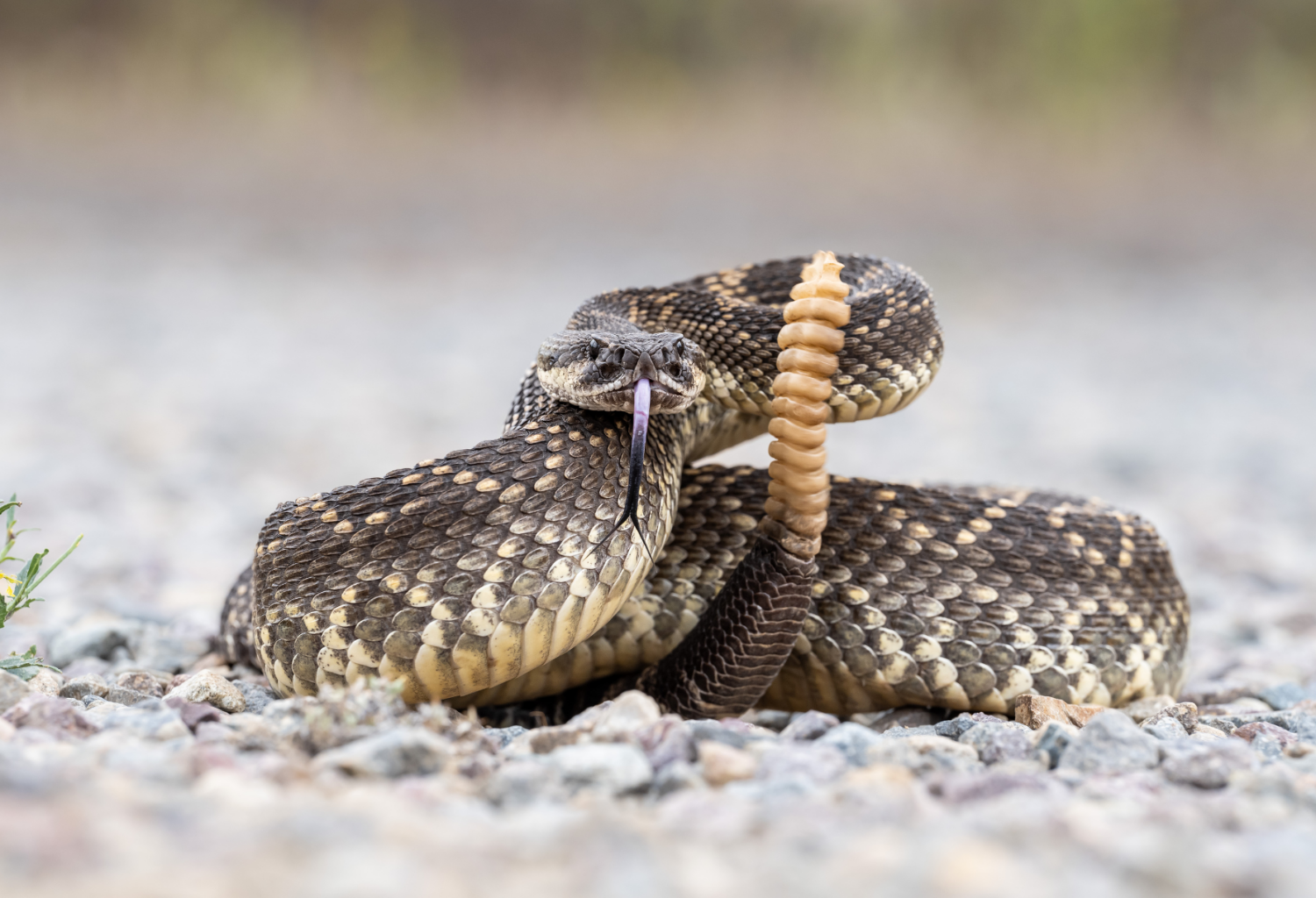
Recent reporting alleges that certain areas of California are seeing a shortage of rattlesnake vaccines. But it’s important to note AAHA’s guidelines list this vaccine as non-core, highlighting that there is no published data that highlights the efficacy.
Advertisement
Recent reporting has rattlesnake vaccines in the headlines. In a report by KCRA, a Sacramento based media outlet, they highlight a shortage of the rattlesnake vaccines in the area, attributing some of it to a decision by the United States Department of Agriculture (USDA) to not renew conditional approval of the vaccine in 2023.
The cause of the shortage
The report mentions that Red Rock Biologics and Hygieia Biological Laboratories, the two companies that work together to create the vaccine, supplied about 5,000 veterinary hospitals nationwide with the vaccine. Why was it not renewed? According to the creator of the vaccine, they were on a conditional license, which has a time limit. In the article, they mention they did submit more data for a full license, but that data was not accepted by the USDA.
What AAHA guidelines say
The 2022 AAHA Canine Vaccination Guidelines that were updated in 2024 list this vaccine as non-core, which to some might suggest that the task force recommends the vaccines for some dogs. Task force member George E Moore, DVM, PhD, DACVIM, DACVPM, said the vaccine was included in the guidelines because it was commercially available, there was a market for it, and “for good or for bad,” the manufacturer continued to make it.
“Some practitioners who use it and recommend it in dogs in high-risk areas with higher-risk lifestyles believe it to be beneficial,” he said, “Are they right? We really can’t prove it or disprove it.”
According to the guidelines, “there are no published data documenting the efficacy of the western diamondback rattlesnake (Crotalus atrox) venom toxoid in dogs.”
Efficacy issues
Moore outlined several reasons that accurately testing the safety and efficacy of this toxoid vaccine would be difficult, if not impossible. These include an inability to replicate envenomation in a controlled study for ethical reasons, the variability in antigenicity and potency of snake venom based on a multitude of factors, and the spectrum of severity of clinical signs based on the location of the bite and other variables.
One study that attempted to measure efficacy involved giving mice extreme overdoses of the toxoid vaccine and then administering high intraperitoneal doses of pit viper venom, a protocol the guidelines task force members called “questionable”. Additionally, some vaccinated mice experienced anaphylactic reactions after experimental envenomation.
Other concerns
In addition to questioning claims of vaccine efficacy against C. atox envenomation, the guidelines task force members also questioned vaccine manufacturers’ claims that vaccination with the C. atrox toxoid vaccine provides any cross-protection against envenomation by other types of pit vipers.
As a result of these concerns, the guidelines task force recommended that veterinarians consider the lack of peer-reviewed efficacy when deciding whether to offer and administer the vaccine.
Vaccine alternatives
For veterinary professionals and pet owners concerned about the risk of rattlesnake bites to pets, rattlesnake avoidance training (also referred to as rattlesnake aversion training) offers an alternative to vaccination. In an article for Preventive Vet, Christopher Pachel, DVM, DACVB, CABC, veterinary behaviorist and owner of the Animal Behavior Clinic, recommends against using any punishment-based techniques such as shock collars to teach dogs to avoid snakes. Instead, he recommends using positive reinforcement-based training to teach dogs to not interact with snakes without inflicting pain or fear.
Photo credit: © MichaelSvoboda via Getty/E+
Disclaimer: Trends content is meant to inform, educate, and inspire by providing an array of diverse viewpoints. Any content published should not be viewed as an official stance, position, or endorsement by the American Animal Hospital Association (AAHA) or its Board of Directors.
