Clinical
Single use or reuse: That is the question
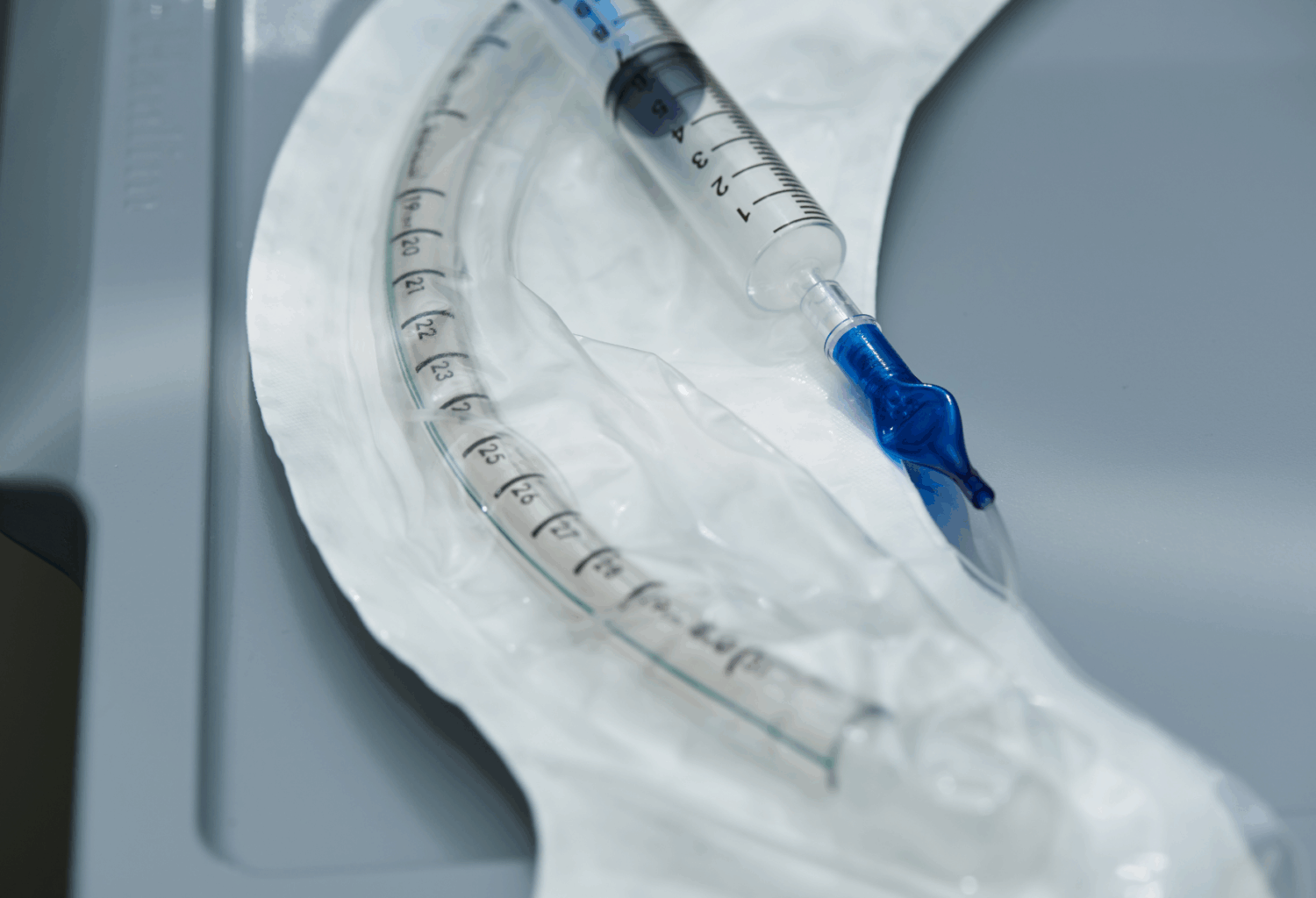
The reuse of medical supplies that were designed to be single use only is not uncommon, but it can have serious negative consequences.
Advertisement
Between May and August of 2024, 21 horses were diagnosed with Equine Infectious Anemia after they had all spent time hospitalized at the same Texas equine practice, according to a recent news article . All the affected horses had an intravenous (IV) catheter in place, and an investigation revealed that at least one hospital team member was reusing needles and/or syringes to draw up heparinized saline flush for the horses’ IV catheters, which likely allowed for the viral disease to be spread between patients.
This unfortunate—and likely avoidable—outbreak begs the question: in which other ways are veterinary teams reusing supplies that are meant to be single use only, and at what cost?
A history of reuse
While not all veterinary practices have participated in this behavior, the reuse of single use only medical supplies is not unheard of veterinary medicine. Everything from microscope slides to scalpels, suture, syringes, and laparotomy sponges have been known to be kept, sanitized or sterilized, and reused—despite clear indications that they were intended to be disposed of after a single use. Other commonly reused items that are manufactured for single use only include fluid bags, fluid administration lines, and anesthesia breathing circuits.
Disposable, single-use only medical supplies first became available in human medicine in the 1940s with the creation of a disposable catheter, followed by disposable IV tubing in the 1960s. However, it didn’t take long for medical professionals to begin pushing the limits of these single use items.
According to the Centers for Disease Control and Prevention (CDC), the practice of reusing single-use only medical supplies became widespread in the 1970s. Approximately 20-30% of human hospitals reported reusing at least one type of single-use only medical supply or device (likely after some form of sanitation or sterilization) as recently as 2023.
Amy Newfield, MS, CVT, VTS (ECC), CEO of Veterinary Team Training, said that while she believes the veterinary industry has gotten much better about avoiding the reuse of single use only supplies, the practice is still pervasive. “Almost every single [veterinary] hospital, in at least the United States, if not the world, has some single use item that they’re reusing all the time,” she said.
Potential sequelae of reuse
Newfield described two of the most common examples of reuse of single use supplies that she has seen.
She described a case from years ago when she worked in an emergency hospital that was treating a puppy who had been diagnosed with parvovirus. The hospital was reusing isolation gowns between patients. Unfortunately, another puppy was admitted to isolation a week later with an upper respiratory infection (after the room had been disinfected) and shortly after came down with parvo as well.
Was the isolation room not completely disinfected? Perhaps not. But Newfield couldn’t help but wonder if the contaminated isolation gowns had something to do with it.
Another very commonly reused single-use only item in veterinary practice is the endotracheal (ET) tube. Newfield explained that even though ET tubes are “truly single use,” many veterinary practices routinely reuse them. “We have endotracheal tube drying racks,” she pointed out, which are only needed because many veterinary teams wash, sanitize, and hang ET tubes to dry between patients instead of disposing of them after each use.
The risk of infection transmission is only one of the potential adverse effects of ET tube reuse, Newfield said. Disinfectants like chlorhexidine that are used to clean the tubes between uses can act as mucous membrane and tracheal irritants, she explained. So those dogs who come in coughing after their anesthetic procedure? Newfield says it’s likely from lingering disinfectant on the ET tube (if it was reused).
Supply reuse and AAHA’s standards
Several of AAHA’s Standards of Accreditation touch on proper use of single use supplies. A few examples include using sterile, unused needles and syringes for injections; using syringes and needles only once for injections; wearing sterile, single use surgical gloves in all surgeries; and ensuring sterile suture material is single use only.
Find more information about AAHA’s standards here.
A more serious potential risk of ET reuse is respiratory compromise or even death as the result of the incomplete removal of mucous plugs during the ET cleaning process. Newfield recalled instances of finding mucous plugs in previously used ET tubes and described how dangerous it could be if a plug is not identified prior to use in a patient. “Why is the cat not breathing? Why is it turning cyanotic? It doesn’t look like its chest is moving. You take the endotracheal tube out, and you’re like, oh my gosh, [the mucous plug is] dried. It definitely didn’t come from that patient.”
Newfield added that relying on sanitation or sterilization techniques can cause further complications and may damage the integrity of the supplies. Apart from the examples of soaking ET tubes or breathing circuits in chlorhexidine prior to reuse, Newfield called out the practice of storing supplies and instruments in “cold sterile” for reuse as harmful for multiple reasons. In fact, many of the chemicals previously used for this purpose were removed from the market for these reasons. “They’re not only carcinogenic, but you can grow bacteria in a lot of those types of things,” she said. “They don’t do the sterilization that we think they do.”
She also worries about the effects of autoclave and gas sterilization on supplies that are not meant for repeated use. “Heat, pressure on the rubber stoppers, I don’t think that’s probably good,” she said. “Gas sterilization, that’s probably not the best either … I think it changes the integrity of the product if we’re gassing it down.”
Reasons for reuse
While cost concerns are an obvious reason some veterinary leaders offer for reusing single-use supplies, Newfield said it is far from the only reason.
“If I had to guess, the vast majority of people in the veterinary industry are very environmentally conscious, and [disposing of all medical supplies after one use] probably doesn’t feel good or sit well with them,” she said. Her own experiences in practice have borne this out, when she once asked a manager to stop reusing single-use supplies and was turned down due to concern over the environmental impact of the proposed change.
Newfield also pointed to a lack of understanding and awareness of the designation of commonly used supplies as single use only. She pointed to team members who have been taught to clean and hang ET tubes to dry or to swing anesthesia breathing circuits to dry them after cleaning them between patients. When veterinary professionals believe these practices to be commonplace, they may be less likely to see a need to change them, she explained.
Making the switch
When asked if she thinks it’s possible for veterinary teams to completely stop reusing single-use only medical supplies, Newfield was confident the answer is yes. Not only does she think it’s possible, but she thinks the additional cost will be minimal. “Most single-use items are relatively affordable,” she said. “They’re not going to blow the budget.”
Even so, those evaluating the bottom line may question whether the small increased cost of purchasing more single use supplies should be absorbed or passed on to the client. Newfield said that if the decision is made to increase prices to account for additional materials, the key to improving client acceptance comes down to education and transparency. She recommends sharing how the reuse of supplies can lead to adverse outcomes to help clients understand the value of a care plan that avoids reusing single-use only supplies, even when it comes with a higher price tag.
To address the environmental impact, Newfield said that while true medical supply recycling options may be very limited, there are other ways practices can work to be more sustainable. For example, she said, “You grab a whole lot of gauze, and we can think about, ‘Do I really need this whole lot of gauze? Is there a way to save it? And can we just be kinder with this, with the items that we use in the hospital?’”
Newfield encourages all members of the team to speak up when they see an opportunity to avoid the reuse of single-use supplies. “Everyone has a responsibility to talk to the people who can make a decision,” she said.
“No one wants to hear someone preaching and standing on a soapbox. Rarely things are changed that way,” she added. “But I think kindness and education, hopefully, will tend to bend and mold.”
Photo credit: undefined undefined/iStock via Getty Images
Disclaimer: Trends™ content is meant to inform, educate, and inspire by providing an array of diverse viewpoints. Any content published should not be viewed as an official stance, position, or endorsement by the American Animal Hospital Association (AAHA) or its Board of Directors.
