Clinical
Small number of US veterinary practitioners had asymptomatic H5N1 infections, CDC study suggests
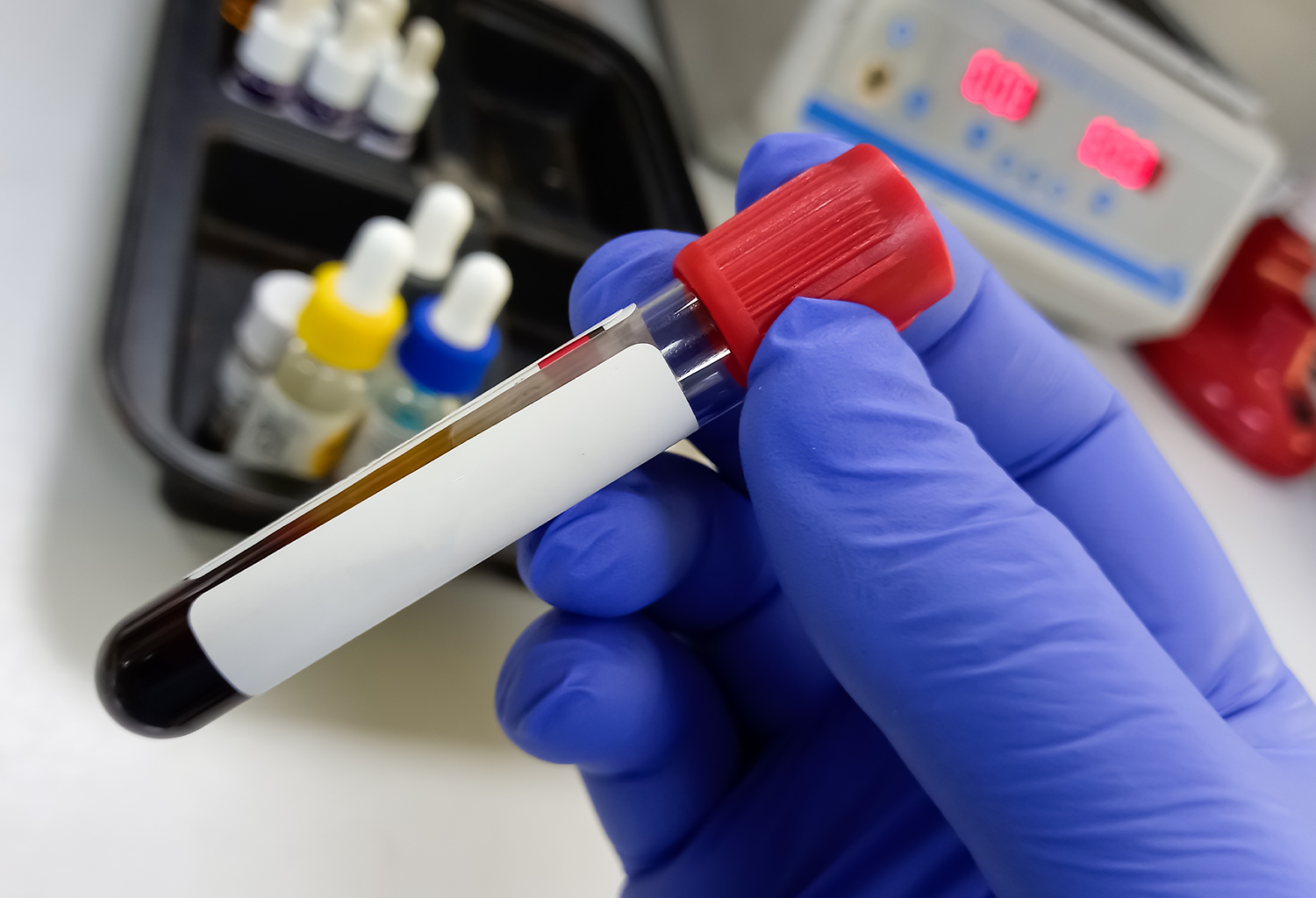
A study published on Feb. 13 by the Centers for Disease Control and Prevention (CDC) showed evidence that multiple veterinarians who work with dairy cattle, among other animals, tested positive for H5N1 antibodies.
Advertisement
In the CDC’s most recent bird flu update, a study conducted in Sept. 2024 suggests that multiple veterinary practitioners had antibodies to H5N1, despite not showing any of the typical symptoms. Currently, the most recent data shows that there have been 68 cases of virus detected in humans, resulting in one death attributed to the virus. This study suggests that the number of actual cases may be higher.
Details about the study and the asymptomatic H5N1 practitioners
Back in Sept. 2024, researchers from the CDC attended American Association of Bovine Practitioners veterinary conference in Columbus, Ohio. During that time, they collected blood and filled out a questionnaire from 150 participants who remained anonymous. At the time of the survey, the number of states with confirmed cases of H5N1 in dairy cattle was 14.
According to the CDC, of the 150 people who had their blood tested,143 of those individuals practiced medicine in the U.S. and seven in Canada. At the time, findings showed that three of those 150 people had signs of H5N1 antibodies. Furthermore, those 2% with antibodies practiced in the U.S. and worked with dairy cattle and other animals.
Meanwhile, of those three veterinary practitioners, none worked with dairy cattle who were suspected to have had the virus, though one did mention they worked with poultry that had been confirmed to be positive.
Current data and implications
The most recently published data from the CDC lists that more than 14,400 people are currently being monitored after exposure to infected animals, while more than 700 people have been tested, resulting in 64 detected cases (out of the total 68 reported human cases of H5N1). The other four cases were identified during national flu surveillance.
This study suggests that the number of people who may have had the virus is higher. However, the CDC notes that “most human infections with HPAI A(H5) have been mild.” Though, H5N1 in cats does raise concerns. According to our reporting, most feline cases reported in the news result in swift progression of clinical signs and death.
Finally, the CDC suggests that the findings show a benefit for “systematic surveillance for rapid identification of HPAI A(H5) virus in dairy cattle, milk, and humans who are exposed to cattle to ensure appropriate hazard assessments.”
Photo credit: © Md Babul Hosen via iStock/Getty Images Plus
Disclaimer: Trends content is meant to inform, educate, and inspire by providing an array of diverse viewpoints. Any content published should not be viewed as an official stance, position, or endorsement by the American Animal Hospital Association (AAHA) or its Board of Directors.
