Clinical
Sterilization methods in vet med: Not one size fits all
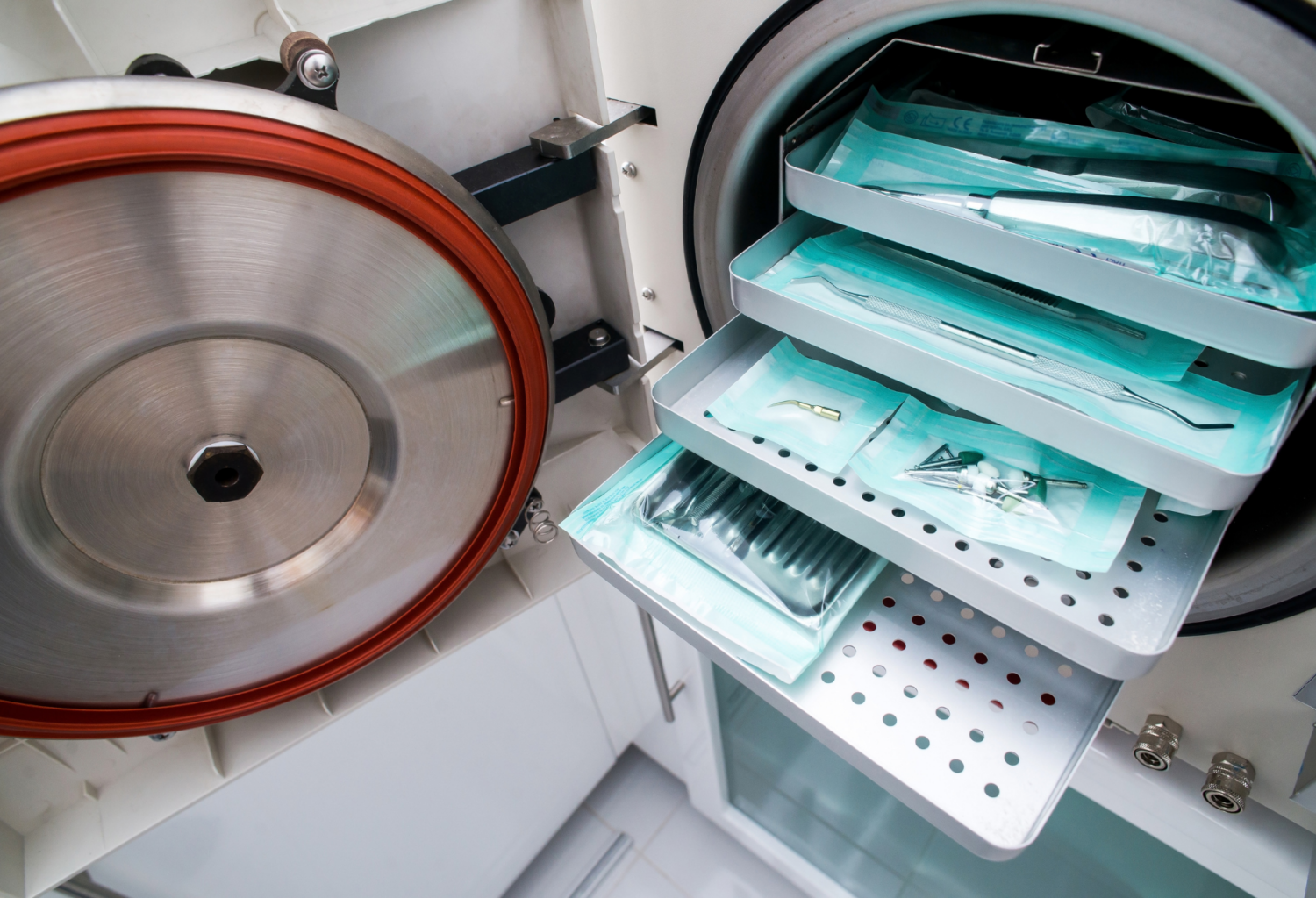
Different sterilization methods work best for different types of equipment and practice needs. Learn more about the advantages and disadvantages of each method and some of AAHA’s resources that can help guide your hospital protocols.
Advertisement
In the AAHA Community, members are talking about different sterilization methods such as ethylene oxide, air plasma, autoclave, and others. Questions have been asked about the best indications for each, who uses what, and the pros and cons of each method.
Sarah Magoon, LVT, CVPM, Practice Consultant Manager at AAHA, fields questions about sterilization protocols from member practices and has a special interest in the topic. She shared some insight on the different forms of sterilization most commonly used in veterinary practices along with some of the key AAHA standards of accreditation that pertain to the subject.
Methods of sterilization
Autoclave
Magoon still considers sterilization steam gravity displaced tabletop autoclave to be the most commonly used form of sterilization for instruments that can tolerate steam and heat. She notes that the autoclave should be horizontally oriented as opposed to vertically or “pressure cooker style”.
The Centers for Disease Control and Prevention explain that four key elements are necessarily for steam sterilization to be microbicidal: steam, pressure, temperature, and time. Each item must have direct steam exposure under the appropriate conditions in order to be sterilized. A common setting for a gravity displaced autoclave is 121° C (250° F) for 30 minutes.
Steam sterilization can have some negative effects on certain materials, according to the CDC, which can include corrosion, combustion of lubricants, reduced light transmitting ability of laryngoscopes, and increased hardening time of plaster-cast material. Magoon added that safety and operator training is essential to prevent burns and injuries from high pressure that could result in the autoclave door being blown off.
Ethylene Oxide
Ethylene Oxide (EO) is the second-most common sterilization method in veterinary medicine, according to Magoon. “Most specialty practices have one and quite a few traditionally accredited practices as well to use for instruments that can’t be steam autoclaved,” she said. This can include a wide variety of items like IV catheters, implants, saws, cameras, and even computers.
According to the U.S. Centers for Disease Control and Prevention, EO owes its microbicidal properties to its ability to alkylate, or replace a hydrogen atom with an alkyl group, in the protein, DNA, and RNA of cells. This change prevents cellular functions such as metabolism and replication.
One drawback of EO use is its classification as a carcinogen. “If everything is handled correctly, the team is trained, and [the] machine maintained, it is safe,” Magoon said. To work toward this end, Magoon recommends that those who will utilize EO take the free course provided by Anderson (currently the only EO sterilization option in the US) and do exposure badge testing annually.
Other disadvantages of EO include a long cycle and aeration time of 12-24 hours and the fact that EO is flammable.
2018 AAHA Infection Control, Prevention, and Biosecurity Guidelines
Looking for more information infection control and prevention within your practice? The 2018 AAHA Infection Control, Prevention, and Biosecurity Guidelines has you covered. Included are protocols for cleaning and disinfection, hand hygiene and personal protection equipment use, and so much more. Learn about hierarchy of controls in veterinary hospitals and access a Veterinary Practice Biosecurity Tracker.
Hydrogen peroxide gas plasma sterilization
Magoon describes hydrogen peroxide gas plasma sterilization as a faster and non-carcinogenic alternative for instruments that don’t tolerate heat and steam. There is also no venting required with this type of sterilization.
According to the U.S. Centers for Disease Control and Prevention, hydrogen peroxide gas plasma sterilization has been used since the late 1980s. It involves injecting hydrogen peroxide into a vacuum chamber and then using a radio frequency to create an electrical field that produces free radicals from the hydrogen peroxide. These free radicals kill microbes on the surfaces of the instruments or devices. The only byproducts of the cycle are water vapor and oxygen, and sterilized objects can be handled and used immediately.
However, Magoon cautions that it’s not an option for all types of wrapping material. Wood products, paper, linen, and gauze, for example, cannot be sterilized with hydrogen peroxide.
Air plasma sterilization
Several AAHA members commented in the community on the use of air plasma sterilization in their practices. According to Plasmabionics, a veterinary device manufacturing company that specializes in plasma-based sterilization, air plasma sterilization involves the production of multiple reactive oxygen and nitrogen species from room air.
These reactive species then destroy microbes in the surfaces of instruments before being converted back to “harmless air,” according to Plasmabionics. “No chemical consumables are required, and no byproducts are produced,” the company website explains.
This method is advertised as being appropriate for heat-sensitive instruments such as electronics, lumen, and optics. AAHA members commenting in the community frequently mentioned the use of this method to sterilize endoscopy equipment.
One consideration to keep in mind with air plasma sterilization is that the cycle time is four hours, which is much longer than the hydrogen peroxide gas plasma sterilization process.
Standards that cover sterilization techniques
Multiple AAHA Standards of Accreditation apply to the sterilization of veterinary instruments and supplies. They include everything from the use of sterile towels and drapes for all major surgeries and using separate surgical packs for each procedure to the wrapping of packs before sterilization. Other standards cover regular maintenance of all sterilization equipment, spore testing using biological indicators to confirm adequate sterilization, and team member training on the safe operation of sterilization equipment.
Testing to confirm sterilization
Magoon said that one thing many practices are not aware of is there are different classes of sterilization peel pouches and that it’s important to know which type of pouch or other packaging is most appropriate for the type of sterilization being used. It’s also important to determine whether a sterilization indicator strip is needed.
She added that she recommends using a type 5 integrator strips for peel pouches that will be used to sterilize implants used for orthopedic surgery such as screws and plates.
A note about “cold sterile”
Magoon said she occasionally still sees “cold sterile” trays in practices for surgical instruments despite AAHA standards against this. “If those instruments get used for minor or major surgery, that is an AAHA mandatory standard violation that will keep a practice from passing their evaluation,” she said.
“Most of the agents used to soak are high-level disinfectants and not true sterilization agents,” Magoon explained. Additionally, she said that some of the true sterilization chemicals are carcinogenic and not available any longer. “I most often see dilute chlorhexidine used, which not only is a disinfectant, but it is not a neutral pH and can damage the finish on instruments.”
The one exception to this rule is for endoscopy equipment that doesn’t tolerate autoclaving, Magoon said, in which case high-level disinfectants like glutaraldehyde may be used.
And for those who have a hard time letting go of the practice of using cold sterile trays, Magoon recommends making sterilized “mini-packs” in peel pouches and storing them in the same place in the emptied and dried tray.
AAHA members can get feedback from fellow members on this topic and others in the AAHA Community here.
Photo credit: StasWalenga/iStock via Getty Images
Disclaimer: Trends™ content is meant to inform, educate, and inspire by providing an array of diverse viewpoints. Any content published should not be viewed as an official stance, position, or endorsement by the American Animal Hospital Association (AAHA) or its Board of Directors.
