Survey reveals that the majority of canine lumps go undiagnosed in US veterinary clinics
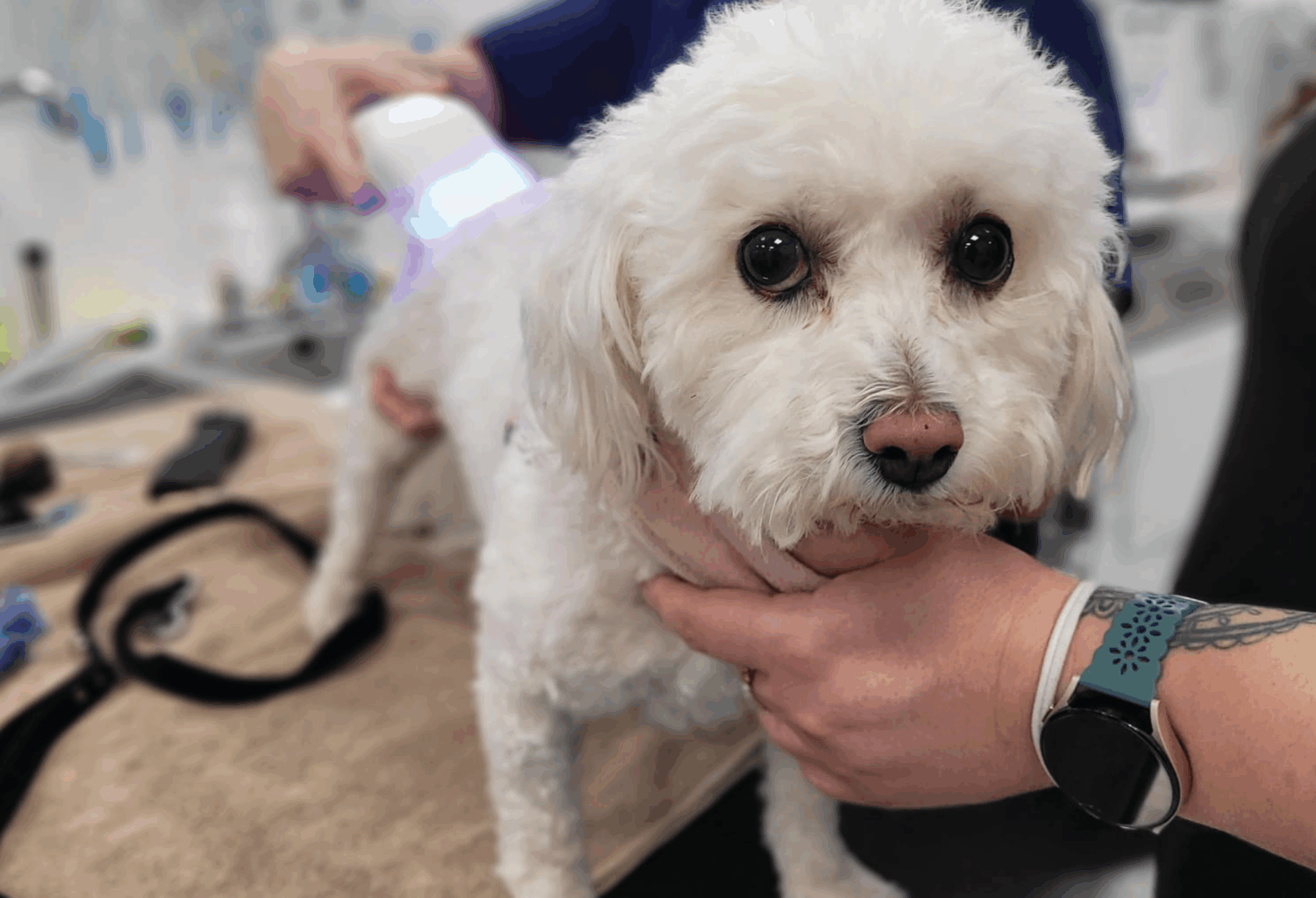
Every veterinarian encounters the familiar scenario of a dog that presents for an annual wellness exam or routine check, and at some point during the consultation a lump or bump is discovered.
Sponsored content from HT BioImaging
Every veterinarian encounters the familiar scenario of a dog that presents for an annual wellness exam or routine check, and at some point during the consultation a lump or bump is discovered. It’s small, soft and seemingly harmless. The owner looks to you for reassurance and asks, “Should I be worried?”. Often, these moments are followed by a decision to monitor the lump and review it at the next appointment. It feels like the sensible approach, especially when the mass doesn’t look conerning. But new research into diagnostic behaviour in general practice suggests that this “wait and see” culture may be holding the profession back, both clinically and commercially.
Skin and subcutaneous masses are among the most common presentations in veterinary practice. The vast majority are benign, but a small proportion turn out to be malignant, and distinguishing between the two on sight alone is impossible. Early diagnosis is critical. It allows for less invasive treatment, reduces costs for owners and can be lifesaving for pets. Yet many of these lumps remain untested for weeks, months, or even years.
A recent nationwide survey of veterinary professionals in the U.S. explored the diagnostic practices of clinicians and the challenges that often prevent early testing. The findings revealed a clear pattern: While veterinarians frequently identify skin masses in dogs, many are not immediately investigated. The reasons vary, clients sometimes hesitate due to cost or uncertainty or anxiety about invasive testing, while clinicians face time constraints, lack of in-house cytology facilities or low confidence in the accuracy of fine-needle aspirations (FNAs). Collectively, these barriers create a cycle of delayed action that can have serious implications for patient outcomes.
Oncology experts warn that this delay in testing can mean missed treatment windows and more advanced disease at the time of diagnosis. For many cancers, early identification remains the single most effective tool for improving survival rates. A small mass caught early can often be treated quickly and successfully, while the same mass left untested can progress into a far more complex and costly condition. Beyond the clinical implications, this hesitation also affects client trust and satisfaction. Owners value transparency, clear communication and evidence-based decision-making. When diagnostics are delayed, anxiety increases and confidence in the clinic can suffer.
However, the story doesn’t end with risk, it also highlights opportunity. By shifting towards a culture of early testing and efficient in-clinic diagnostics, veterinary clinics can dramatically improve both patient outcomes and business performance. Encouraging every client to have lumps investigated can lead to faster intervention, increased compliance, and stronger client relationships. It also represents an opportunity to expand revenue through diagnostic services, which remain an underutilized area in many clinics.
One of the most promising developments supporting this shift is the emergence of non-invasive, AI-powered diagnostic tools such as HT Vista. This technology allows veterinary teams to screen dermal and subcutaneous masses quickly and painlessly, with results generated immediately during the consultation. Using heat diffusion imaging (HDI) and artificial intelligence, the system analyses how tissue responds to gentle heat application to identify whether a mass is likely benign or requires further investigation. Because the process is non-invasive, affordable and technician-led, it lowers the barriers that typically prevent clients from agreeing to diagnostic testing.
Adopting this kind of technology not only enhances diagnostic efficiency but also helps practices better utilise their teams. Veterinary technicians can take a leading role in conducting scans and managing follow-up workflows, freeing up valuable veterinarian time. This technician-led approach improves efficiency, reduces staff burnout, and creates opportunities for professional development. It also strengthens client engagement as owners see a proactive, team-based approach to their pet’s care, reinforcing their confidence in the clinic.
Early detection also benefits the wider business. Practices that consistently test and diagnose skin lumps establish themselves as trusted, preventative care providers. This proactive model not only drives better patient outcomes but also supports long-term financial stability. By incorporating accessible diagnostic tools and communication strategies that encourage early testing, clinics can increase diagnostic compliance, reduce missed diagnoses, and generate sustainable revenue growth, all while improving animal welfare.
Ultimately, with the right tools, training and communication, every practice can make early detection part of its standard of care. Moving away from ‘wait and see’ towards ‘scanning and knowing’ doesn’t just save lives but transforms how veterinary teams work, how clients engage and how clinics grow.
The full results of the recent survey into diagnostic behaviour in veterinary clinics are now available to view online, alongside an on-demand webinar, Cracking the Code on Lumps and Bumps: Fast, Efficient Diagnosis in Everyday Practice, featuring Drs. Natalie Marks, Craig Clifford, and Gillian Dank. The session explores the most effective diagnostic approaches for skin and subcutaneous masses and provides practical insights on overcoming common barriers in general practice.
To access the webinar, visit https://www.cliniciansbrief.com/continuing-education/syllabus/lesson/cracking-code-lumps-bumps-fast-efficient-diagnosis-everyday-practice, and to learn more about HT Vista’s innovative approach to non-invasive cancer screening, visit https://www.ht-vet.com.
