Community care
The Center for Pet Family Well-Being: New name, evolving mission
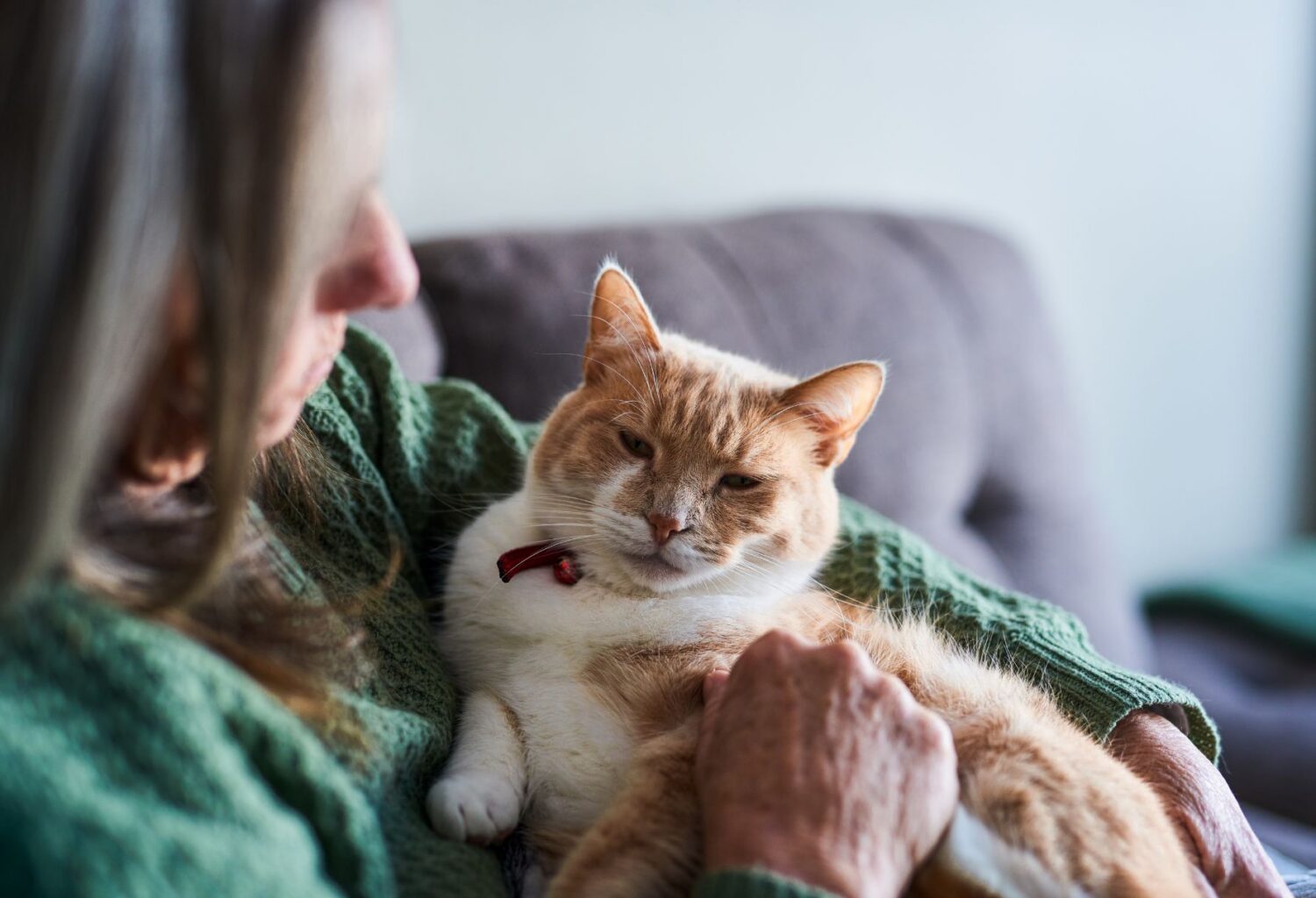
The University of Tennessee College of Social Work Program for Pet Health Equity has a new name. But don’t mistake that for a change in direction. The update reflects the initiative’s evolving mission to help pets and their people access the care they need.
Advertisement
Veterinary medicine is always changing, but it’s not only the science behind diagnostics and treatments that continually advance. Our understanding of what pet parents need—and how veterinary teams can better meet those needs—is also ever-evolving.
Since 2017, the University of Tennessee College of Social Work has established itself as a leader in the research and innovation regarding the barriers around access to veterinary care with the Program for Pet Health Equity. That initiative, which has secured more than $12 million in competitive grant funding since its inception, will now be known as the Center for Pet Family Well-Being (CPFW).
To better understand the impetus for this change—and what other changes we might expect along with the new name—we reached out to Michael Blackwell, DVM, MPH, founder of PPHE and the new center.
An evolving focus
The initial focus of the initiative was the removal of barriers to veterinary care, and Blackwell said that remains crucial today. However, there are also other areas that deserve focus.
AAHA Community Care Guidelines
Collaboration via systems-level care is at the heart of the 2024 AAHA Community Care Guidelines for Small Animal Practice. Learn more about how this approach can help you meet the needs of more clients wellbeing in the guidelines.
“We began by helping families access veterinary care. As we developed and tested the AlignCare model in several communities, it helped illuminate how the barriers families face extend beyond veterinary care—they are structural,” he said.
“Pet-inclusive families navigate systems all households use: health services, housing, transportation, finances, and community support,” Blackwell continued. “Because these systems were not designed with pets in mind, veterinary care is often disconnected from broader support networks. Recognizing this, we identified that such fragmentation is now a central challenge.”
That’s where the Center comes in, he explained, as it now works to align the systems shaping family wellbeing through a framework identifying four sectors that influence family stability:
- Health and wellbeing
- Economic and community support
- Housing and infrastructure
- Education, policy, and research.
“Veterinary care is vital to this ecosystem, but it often operates outside the systems that affect family health,” Blackwell said. “Through research, early pilots like AlignCare, and cross-sector collaboration, we identify where services that affect pet-inclusive families are disconnected.”
Their work, he said, aims to ensure the systems become better aligned, alleviating families of the burden of needing to choose between their own wellbeing and their pet’s care. “Improving access to veterinary care is essential,” he said, “but lasting solutions require strengthening the systems that support families.”
A new name for a broader systems view
“The previous name, Program for Pet Health Equity, reflected our initial focus on addressing disparities in access to veterinary care and familiarizing the veterinary profession and animal welfare community with the term ‘health equity,’” Blackwell said.
Over time, however, they recognized the need to take a wider view. “Families experience health and wellbeing through interconnected systems,” he said. “Yet pets, important to family life, are often overlooked in these systems.
Hence the new name: Center for Pet Family Well-Being.
The new name reflects the broader systems view of the initiative, Blackwell said. “It signals our focus on pet-inclusive families. It also highlights our efforts to strengthen support systems. The new name also aligns with the One Health approach that guides us.”
AAHA One Health Guidelines: Navigating Cross-Disciplinary Partnerships
Many factors influence patient care. These guidelines recognize the connections between humans, animals, and the environment to promote a family-centered, collaborative approach to human and animal health care.
As a platform for research, collaboration, and system-level solutions to help communities support families, Blackwell said that the Center takes an approach that recognizes the connections among human wellbeing, pet health, and community systems.
An indication of growth
It’s important to note that this change reflects an ongoing evolution, not a sudden shift in direction, Blackwell explained.
“Beyond research and policy, the Center is growing as a national platform. We advance pet-inclusive One Health systems. Our initiatives build the field. They help cross-sector collaboration,” he said.
Those initiatives include:
- The One Health Systems Summit, which brings leaders together to explore system alignment for family wellbeing.
- The One Health Systems Forum, a growing national community with over 14,000 members that focuses on shared learning.
- The Journal of One Health Systems, an open-access publication for research and scholarship in this growing field.
“We are facilitating knowledge sharing, partnerships, and evidence-based community design solutions that fit their needs,” Blackwell said. “Collectively, these efforts reflect the Center’s broader mission to advance systems that recognize and support the wellbeing of families with pets.”
To continue advancing this work, Blackwell emphasized that veterinary professionals are essential partners.
“By aligning systems that support families, we not only improve access to veterinary care but also help create healthier, more resilient communities,” he said. “Together, we have the opportunity to set a new standard for family and community wellbeing, ensuring that pets and the people who love them thrive.”
Further reading
PODCAST: Dr. Michael Blackwell on understanding veterinary social work, access to care, and more
The role of vet med in a One Health system: A domestic violence case study
Family-centered care is the future of vet med
Spectrum-of-care: Busting common myths
How a systems-level approach can make you a better clinician
One Health: Bridging an enduring divide
Photo credit: Liam Bell via iStock/Getty Images Plus
Disclaimer: Trends content is meant to inform, educate, and inspire by providing an array of diverse viewpoints. Any content published should not be viewed as an official stance, position, or endorsement by the American Animal Hospital Association (AAHA) or its Board of Directors.
