Clinical
The future of canine sports medicine just got brighter
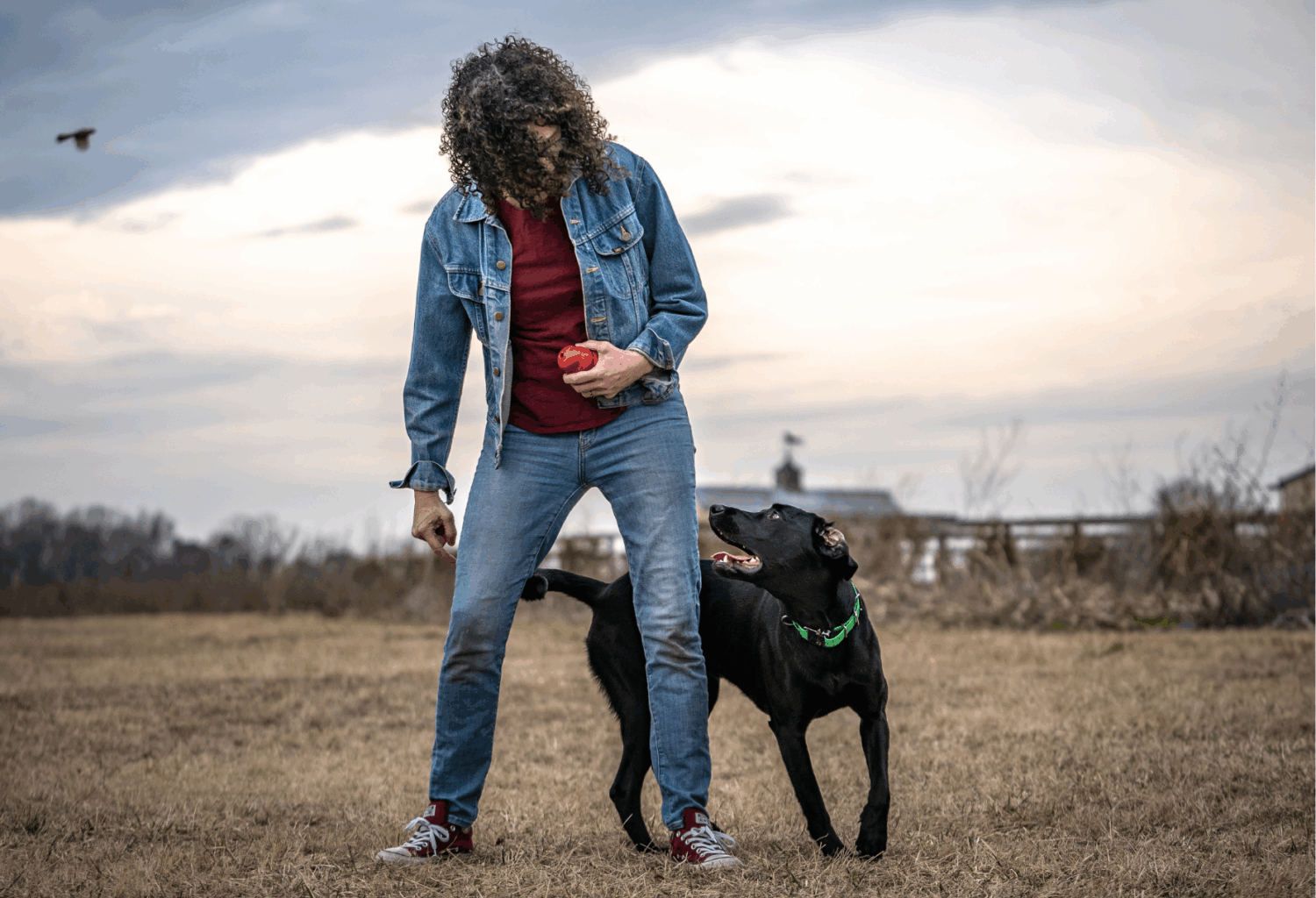
Canine sports medicine is a dynamic and collaborative field, bringing together veterinarians, trainers, physiotherapists, researchers, and dog handlers. It benefits elite working and competitive dogs as well as family pets. And thanks to the American Kennel Club Canine Health Foundation’s new residency program, it’s a specialty that’s set to grow and impact even more dogs, as well as the people who love them.
Advertisement
Canine sports medicine isn’t only useful for dock diving champs and search-and-rescue superstars. The key elements of this specialty also benefit any pet with mobility challenges—even if the closest they come to a sport is chasing a ball in the backyard.
However, many dogs who could benefit from this type of care don’t have access to it for the simple reason that there are remarkably few veterinarians who’ve undergone advanced training in this realm. (A search for U.S. members of the American College of Veterinary Sports Medicine and Rehabilitation [ACVSMR], for example, comes up with just 64 names nationwide.)
But here’s the good news: That number should begin to grow more quickly in the coming years, thanks to the new American Kennel Club Canine Health Foundation (AKC-CHF) Canine Sports Medicine & Rehabilitation Residency program.
The program kicked off in July 2025, with residents and mentors at University of Pennsylvania School of Veterinary Medicine (Penn Vet) and Colorado State University (CSU) College of Veterinary Medicine and Biomedical Sciences. And according to the residents and mentors involved, there’s already plenty to celebrate.
The new residents
Alexis Heffernan, DVM, MS, developed a passion for Sports Medicine and Rehabilitation at CSU, where she earned her DVM and MS. “Following graduation, I completed a rotating internship at Auburn University, which allowed me to gain further experience in orthopedic surgery and rehabilitation,” she said. “With the goal of pursuing a residency in Sports Medicine and Rehabilitation, I returned to Colorado State and began my residency this past summer.”
Penn Vet’s resident, Tesa Stone, VMD, graduated from University of Pennsylvania School of Veterinary Medicine in 2024 and completed a rotating internship at Veterinary Referral Associates in Maryland before starting this residency. She comes from a family of veterinarians, but it was her own personal experience that really drove her toward this specialty.
“My experience with working dogs started in 2016 when I became a volunteer puppy raiser for The Seeing Eye. I have since raised six dogs for The Seeing Eye,” she said. “Additionally, I completed an internship with the Penn Vet Working Dog Center (PVWDC) from 2019-2020 where I gained more experience handling and training working dogs.”
She remained involved with PVWDC during vet school, serving as a volunteer and back-up foster, as well as participating in research with the veterinary team. “Learning about their emphasis on canine fitness to help prevent injury and increase the longevity of working careers inspired me to continue within this field,” Stone said. “I am incredibly grateful to the AKC and AKC-CHF for funding this residency and allowing me to pursue this career.”
The program and mentors
“One of the strengths of this residency is that it goes beyond clinical training. Residents here are immersed in research, teaching, and interdisciplinary collaboration, which positions them to be leaders in the field,” said Meghan Ramos, VMD, MSTR, DACVSMR. “They gain experience not only in treating companions, canine athletes, and working dogs, but also in advancing the science behind rehabilitation and performance medicine. This means our graduates will be equipped to meet clinical demand, but also to help shape the future of the specialty whether that’s by generating new knowledge, improving standards of care, or mentoring others”.
A Diplomate (ACVSMR), Assistant Professor of Sports Medicine and Rehabilitation at Penn Vet, and Medical Director of the Penn Vet Working Dog Center, Ramos is passionate about both teaching and research, and focuses her clinical work on optimizing performance, preventing injury, and providing innovative diagnostics and therapies for dogs with musculoskeletal conditions.
The comprehensive, three-year program is accredited by the ACVSMR, and residents in the program train on a variety of cases, ranging from elite working dogs to family pets, Ramos said. “They gain hands-on experience with advanced diagnostics, rehabilitation modalities, conditioning programs, and integrative therapies,” she continued. “Just as importantly, they contribute to teaching veterinary students and engaging in clinical research. The goal is to produce well-rounded specialists who can provide exceptional care and advance the specialty to new heights.”
Director of Penn Vet Working Dog Center and Professor of Working Dog Sciences & Sports Medicine, Cynthia Otto, DVM, PhD, DACVECC, DACVSMR, brings years of experience in the emergency care of working dogs (including working with the Pennsylvania Task Force 1, a FEMA urban search and rescue team with whom she responded to the terrorist attacks on the World Trade Center on September 11, 2001). That experience led to her shifting her focus to working dogs.
“On September 11, 2012, we opened the Penn Vet Working Dog Center as a research, training, and education center for detection dogs,” Otto said. “As a result of working with these amazing canine athletes, I became focused on improving the health and care of working dogs.”
The aspect of this residency program that stands out most to her is the fact that it incorporates the preventative care of working dogs both in the field and at the Penn Vet Working Dog Center. “It truly covers the spectrum of care for canine mobility and performance,” she said.
Lindsay Elam, DVM, MPH, completed her DVM and MPH degrees, followed by an Integrative Medicine internship and a Sports Medicine and Rehabilitation Residency, at the University of Florida (UF). She then served as faculty on UF’s Integrative Medicine Service from 2016 to 2020 before joining CSU as an Assistant Professor in the Orthopedic Medicine and Mobility Service.
“The research component of our residency—primarily canine clinical trials for new osteoarthritis treatments and musculoskeletal diagnostics—is key,” Elam said. “This research directly informs and equips practitioners with the latest, evidence-based options they can implement in their clinics, while also illuminating when a case may benefit from referral to an ACVSMR diplomate.”
The immediate wins
The mentors at these schools are quick to say that simply having these residents on board is a win in and of itself.
Ramos and Otto both praised the way Stone has stepped in—and stepped up. “She is already contributing meaningfully to clinical cases and has jumped into teaching and mentoring our veterinary students, along with becoming Antech PennHIP certified and planning out her clinical study,” said Ramos.
CSU is also celebrating a strong start. “Our resident, Alexis, has seamlessly re-integrated into the CSU system and the OMM team,” said Elam. “It’s been a clear win to see her immediately utilize the clinical experience and confidence gained during her rotating internship, allowing her to take charge of cases right away and start to build her specialty knowledge base. Additionally, she’s already successfully delivered her first client-focused public educational talk, demonstrating her quick development in the essential communication and community outreach aspects of the specialty.”
Heffernan’s personal experience backs this up. “In just a few short months, I have already seen significant growth in both my clinical reasoning and my hands-on technical skills, particularly with the orthopedic exam,” she said. “While there is always a steep learning curve when starting something new, this specialty requires a level of detail in the physical exam that goes beyond what we typically learn in veterinary school.”
The anticipated impact
The future of canine sports medicine is bright indeed, and the veterinarians involved in this program have big goals for the program and the specialty.
“I foresee the residency having an impact locally, regionally, and nationally,” Otto said. “Having a sports medicine resident allows us to expand our services for local veterinarians to support their patients, both working dogs and pet dogs with mobility issues. Regionally and nationally, having a resident on our team increases our educational reach.”
But the impact doesn’t stop there. “We are proud to host a certificate program, Working Dog Practitioner, which helps educate veterinary professionals (veterinarians, technicians, and students) in the care of working and sporting dogs,” Otto continued. “The resident also has the opportunity to work with students and introduce them to new concepts related to sports medicine. Additionally, the residency includes research experience, which will result in new knowledge to be shared with the veterinary and canine communities.”
Ramos believes that change will occur organically as the specialty grows. “I think we’ll see the field become more standardized and evidence-based as research grows and more specialists enter practice. With greater availability, access to sports medicine and rehab will likely expand beyond specialty centers into general practice, which is exciting,” she said. “What I’d most like to see is a continued emphasis on preventative care, using fitness, conditioning, and early intervention not only to treat injuries, but to extend healthy, active lives for all dogs.”
That’s precisely what Stone is already seeing. “Our team is always exploring the best possible treatment options for our patients, collaborating closely with our orthopedic surgery team to find optimal solutions for pet owners,” she said. “While many people assume that Sports Medicine and Rehabilitation are focused solely on working or agility dogs, the majority of our patients are companion animals whose owners are seeking additional support for their pets’ orthopedic conditions.”
The future of the field
Ultimately, Otto sees awareness of options as the biggest update to this field. “Historically, lame dogs were treated with rest and nonsteroidals and many improved, but many just got by. In addition, all one has to do is go to the park and watch dogs move, to realize that there are a lot of dogs out there that suffer from mobility disorders. These dogs can have more comfortable and functional lives when we start to think about sports medicine/medical orthopedics/pain management and mobility,” she said.
“The change I would like to see is more happy, pain-free, mobile dogs! To that effect, part of our research and practice is the implementation of canine fitness through Canimetrics TM. Dr. Ramos is the real leader of this program,” Otto continued. “I think the one thing that is unique about our residency is that it incorporates the preventative care of working dogs both in the field and at the Penn Vet Working Dog Center. It truly covers the spectrum of care for canine mobility and performance.”
Awareness is something that Elam is hoping to see, albeit her take is a bit different. “The primary change I’d like to see is a reduction in client confusion regarding provider credentials. The current proliferation of rehabilitation certification programs makes it difficult for clients to distinguish between the expertise of an ACVSMR diplomate versus that of a rehab-certified veterinarian,” she said. “We need greater awareness and client education to ensure patients are directed toward the most appropriate, evidence-based level of care for their specific clinical needs. Ideally, I envision a future where these different providers work collaboratively to truly optimize patient care and push the boundaries of sports medicine and rehabilitation.”
That awareness and education can help clients and other providers better understand who to work with in different situations, which is a misconception Heffernan has seen frequently. “When we talk to people about what we do, many immediately think of physical therapy, but our work goes far beyond manual therapy, conditioning, and recovery planning. We are actively involved in diagnostics and provide specialized treatment for complex orthopedic issues such as tendinopathies, angular limb deformities, and more,” she said. “Our goal is to offer advanced, individualized care that supports both the patient and the veterinary team in managing challenging musculoskeletal conditions.”
An exciting and rapidly growing specialty
Whether you’re interested in joining this specialty yourself or simply want to see how you can collaborate with these specialists as the field grows, there are a few things these residents and mentors hope you’ll keep in mind.
For starters, it’s a truly dynamic and collaborative field, said Ramos. “Canine sports medicine and rehabilitation brings together veterinarians, trainers, physiotherapists, researchers, and dog handlers. This diverse group are all united by the goal of improving canine health and performance,” she said. “Our residency reflects that spirit of collaboration, and we’re excited to contribute to the growth of a specialty that makes such a tangible difference in dogs’ lives.”
Elam stressed how the growth of this specialty will impact veterinary medicine as a whole. “I’d just like to emphasize that the demand for specialists who understand the unique needs of the mobility-impaired patient is only growing,” she said. “Whether it’s a competitive athlete or a senior dog needing help with daily function, our program is not just training experts; it’s actively driving the future of musculoskeletal care through our clinical research, ultimately elevating the standard of practice for all veterinarians.”
And the fact that, compared to other specialties, sports medicine is still in the early stages creates a lot of opportunity. “We are part of an exciting and rapidly growing field with multiple facets that benefit both veterinary patients and veterinary colleagues. I’m proud to be involved in this evolving specialty and look forward to watching it continue to expand,” Heffernan said. “There are still many areas of orthopedic medicine in our veterinary patients that remain to be explored. Through evidence-based practice, we aim to identify the most effective interventions for both pet owners and fellow veterinary professionals.”
Photo credit: Shelby Wise (WiseK9 photography)
Disclaimer: Trends™ content is meant to inform, educate, and inspire by providing an array of diverse viewpoints. Any content published should not be viewed as an official stance, position, or endorsement by the American Animal Hospital Association (AAHA) or its Board of Directors.
