Clinical
The power of volunteering abroad for veterinary professionals
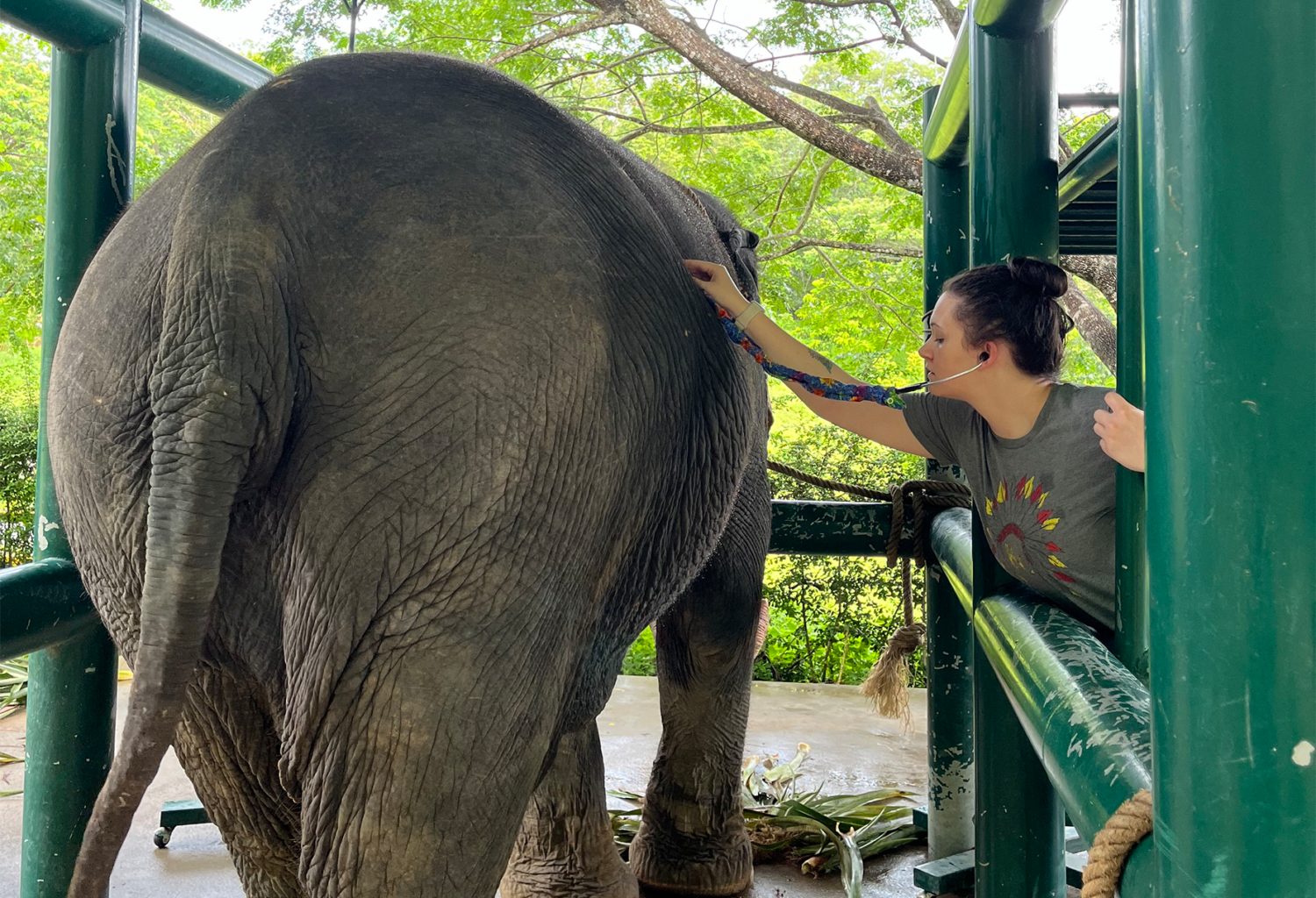
For veterinarians, veterinary technicians, and students, volunteering abroad is more than a résumé enhancer. It is an immersive way to test clinical instincts, adapt to resource-limited settings, and experience medicine at its most raw and rewarding. From treating parrots in Belize to horses in Guatemala, dogs in India, and wild jaguars in conservation zoos, stepping beyond borders often leads to tremendous professional growth. And these veterinary professionals are proof.
Advertisement
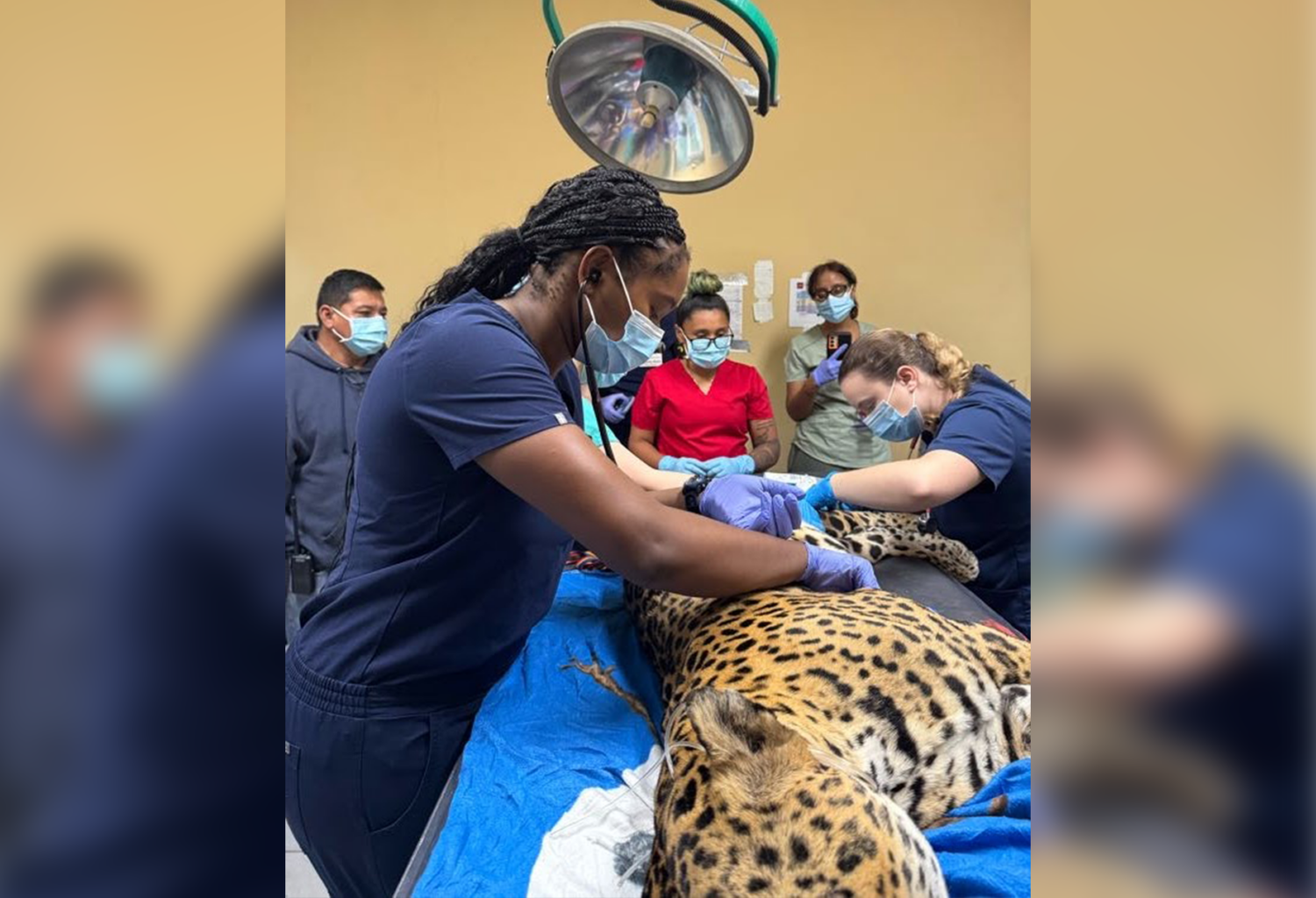
In the quiet chaos of a tiny zoo clinic in the jungle, a group of Cornell veterinary students catch their breath as a sedated, live jaguar arrives.
“There is that moment,” says Noha Abou-Madi, DVM, “where they are all taken back by the beauty of the animal and the chance, the opportunity, the privilege that they have to work with these animals.” That fraction of a second, she notes, often becomes a defining moment.
Her experience reflects those of many veterinary professionals: what begins as a short-term commitment often becomes a turning point, reshaping clinical skills, deepening perspectives on animal welfare, and influencing long-term career paths.
For veterinarians, veterinary technicians, and students, volunteering abroad is more than a résumé enhancer. It is an immersive way to test clinical instincts, adapt to resource-limited settings, and experience medicine at its most raw and rewarding. From treating parrots in Belize to horses in Guatemala, dogs in India, and wild jaguars in conservation zoos, stepping beyond borders often leads to tremendous professional growth. And these veterinary professionals are proof.
Why volunteer abroad?
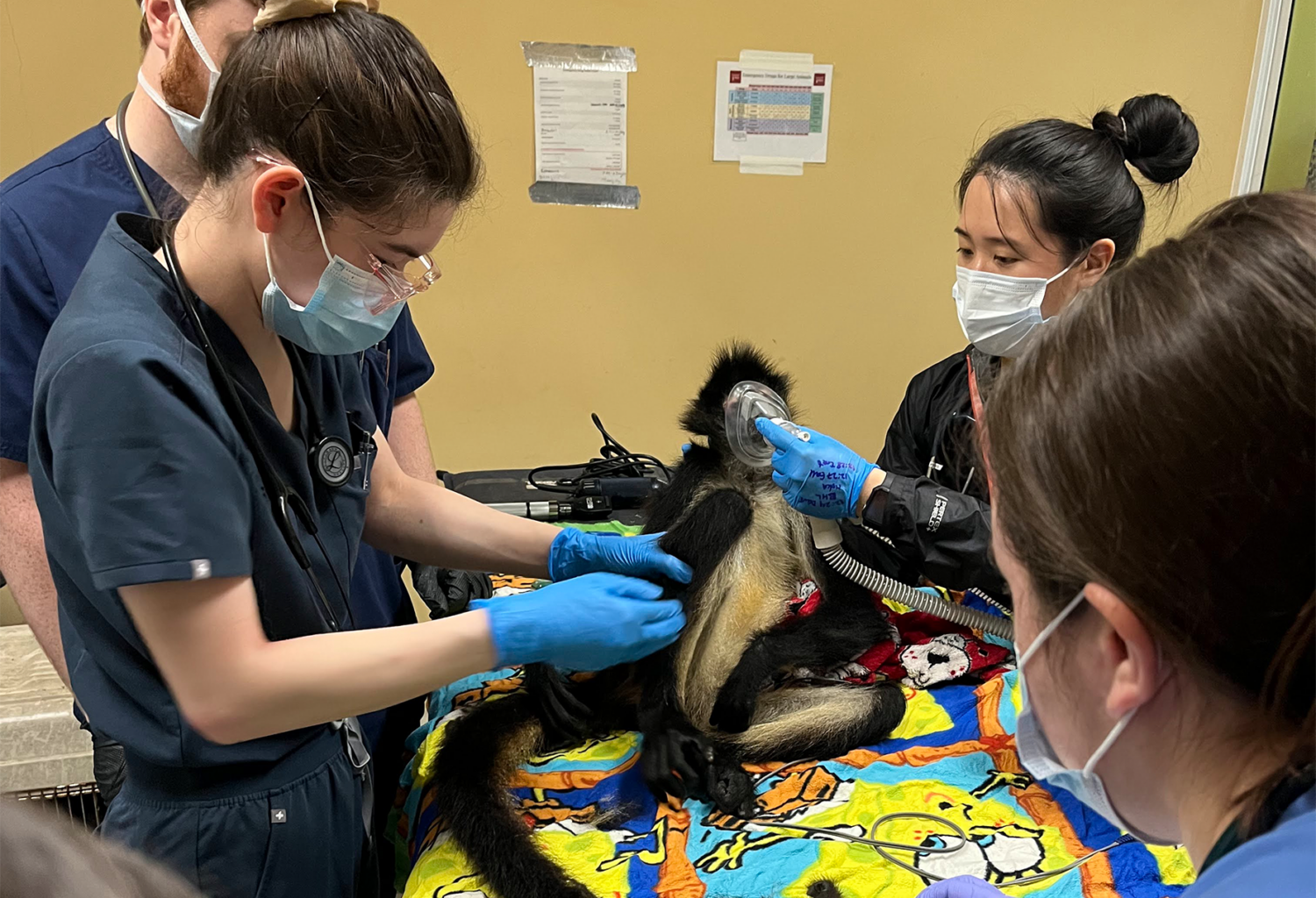
Abou-Madi, Associate Clinical Professor in Zoological Medicine, leads Cornell veterinary students on trips to The Belize Zoo. For her, the transition from high-tech university hospitals to field medicine reveals fundamental truths about the profession.
She explains, “We work here at Cornell with incredible equipment. We have CT, MRI, so one of the challenges is for the students to move away from all that equipment.” That shift is what makes these experiences so impactful.
Abou-Madi loves watching it happen. “By understanding the anatomy, the physiology, and the disease processes, they can ask, ‘What is happening to this animal?’ I think that’s something that is really special.”
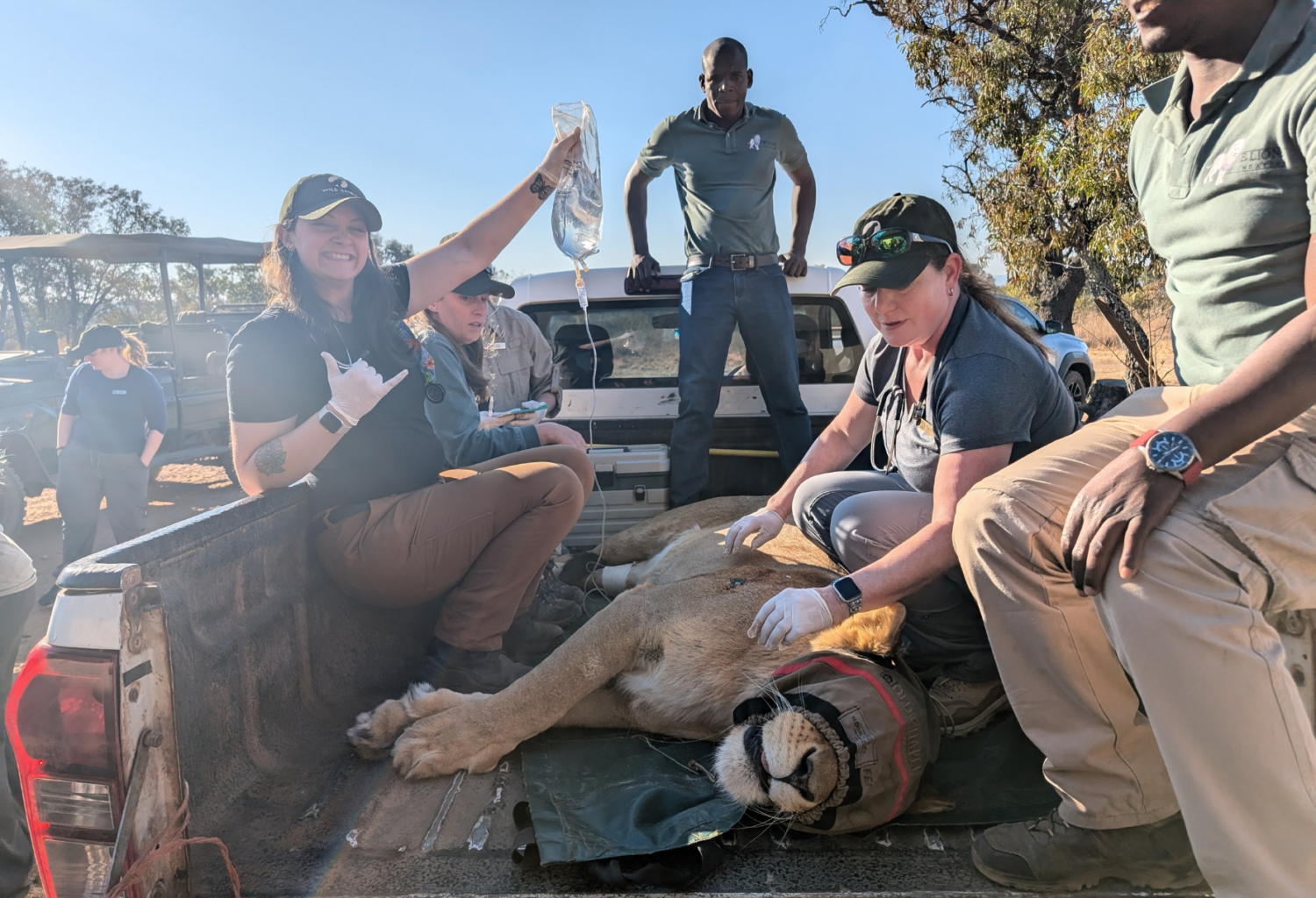
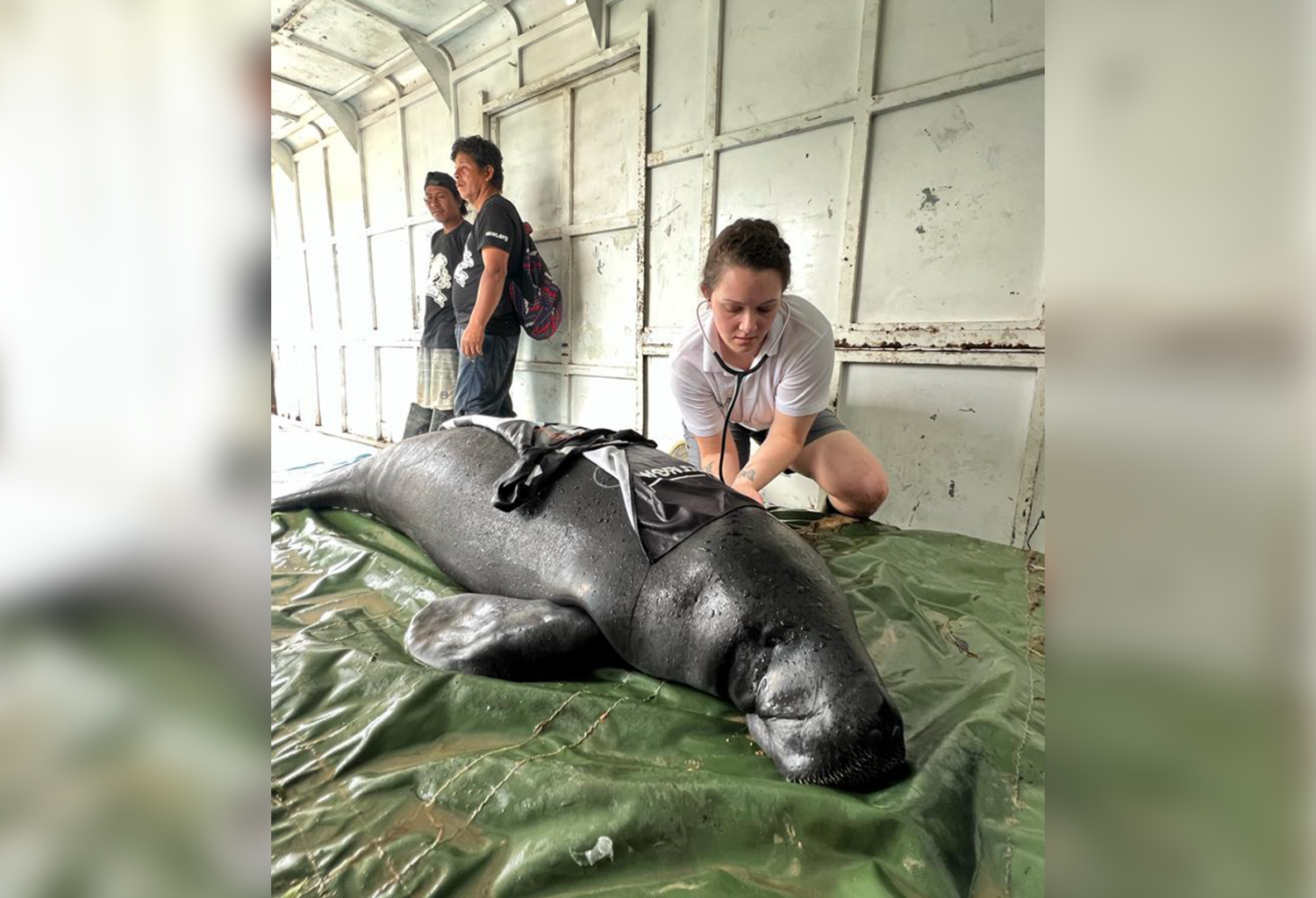
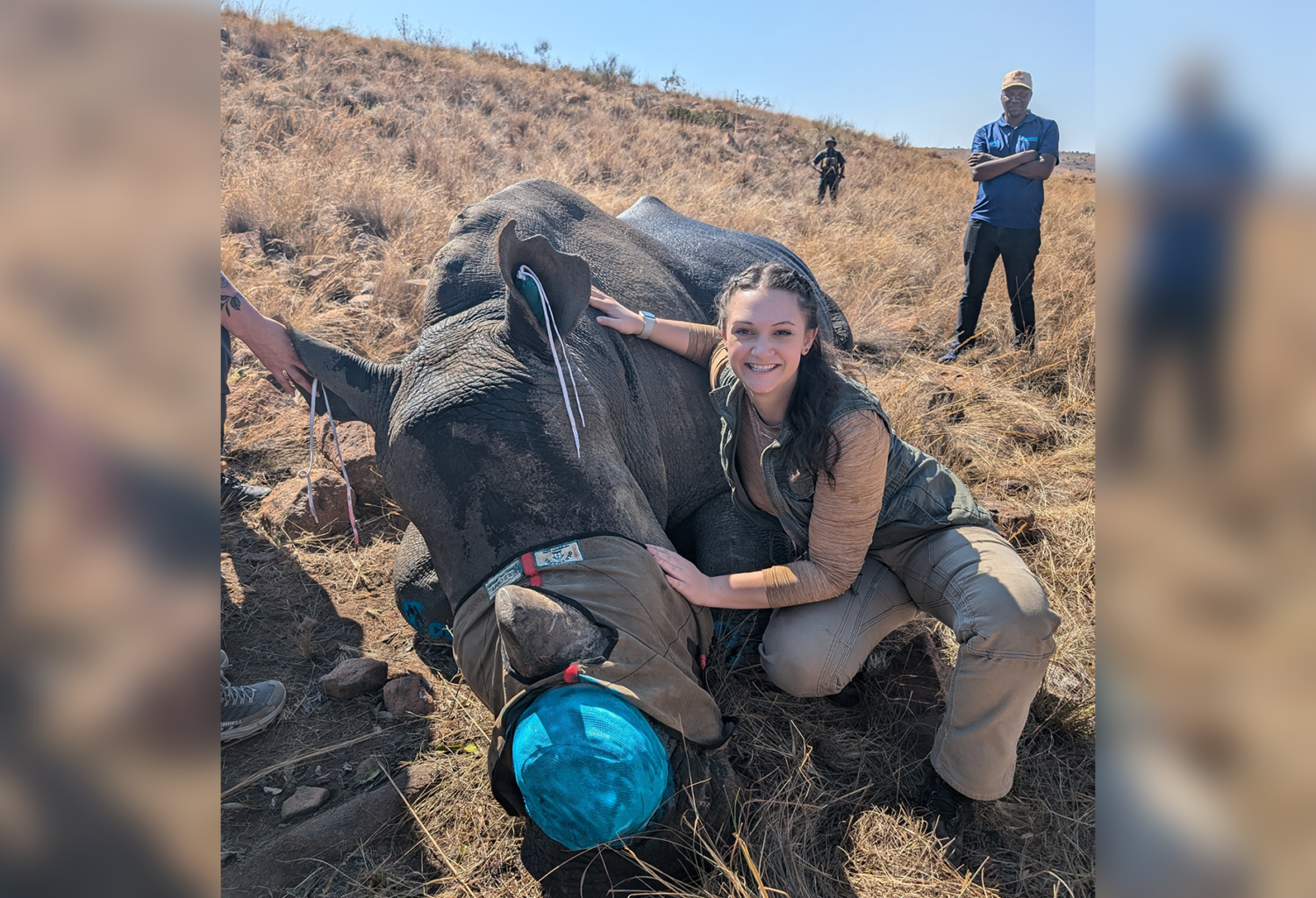
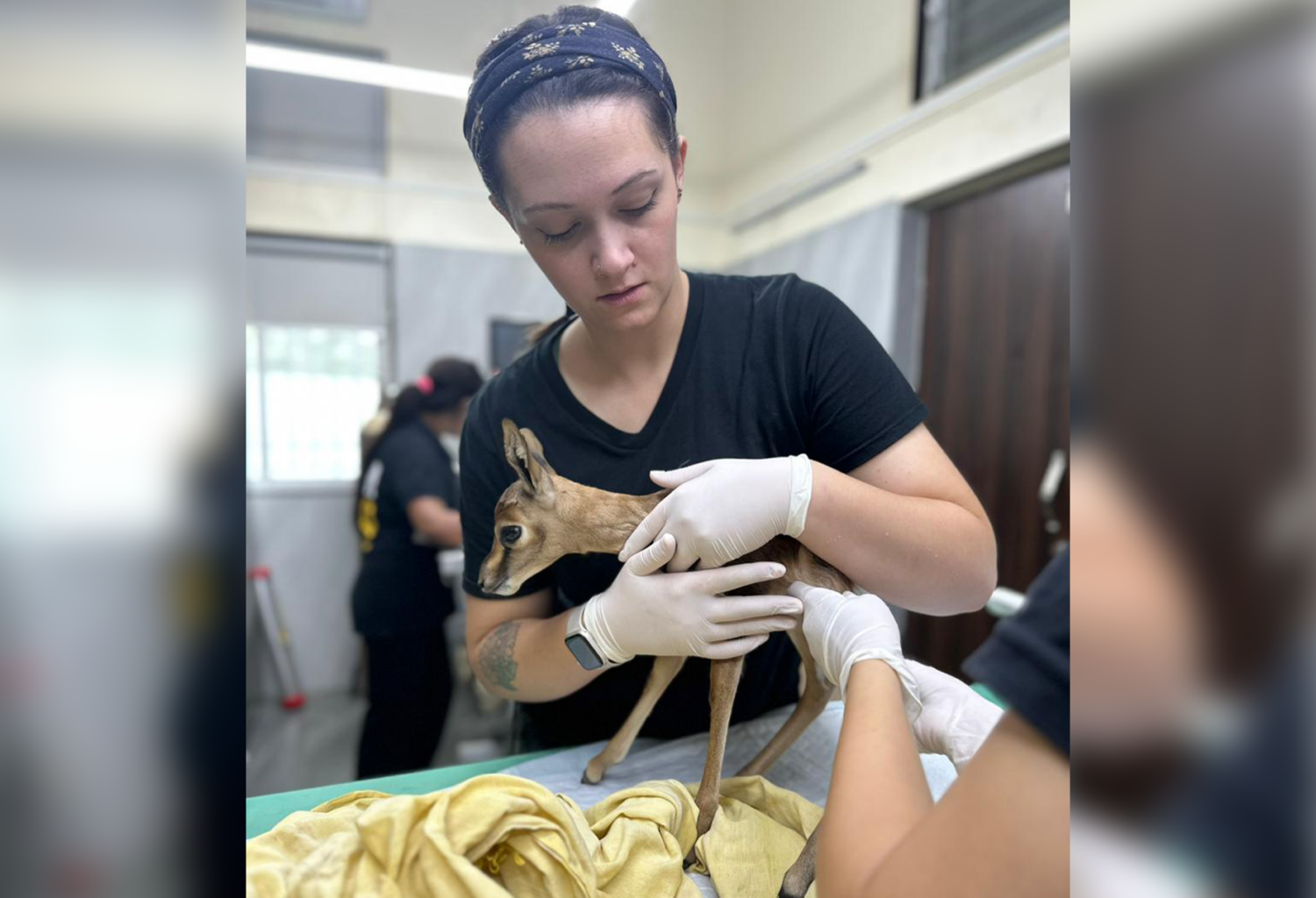
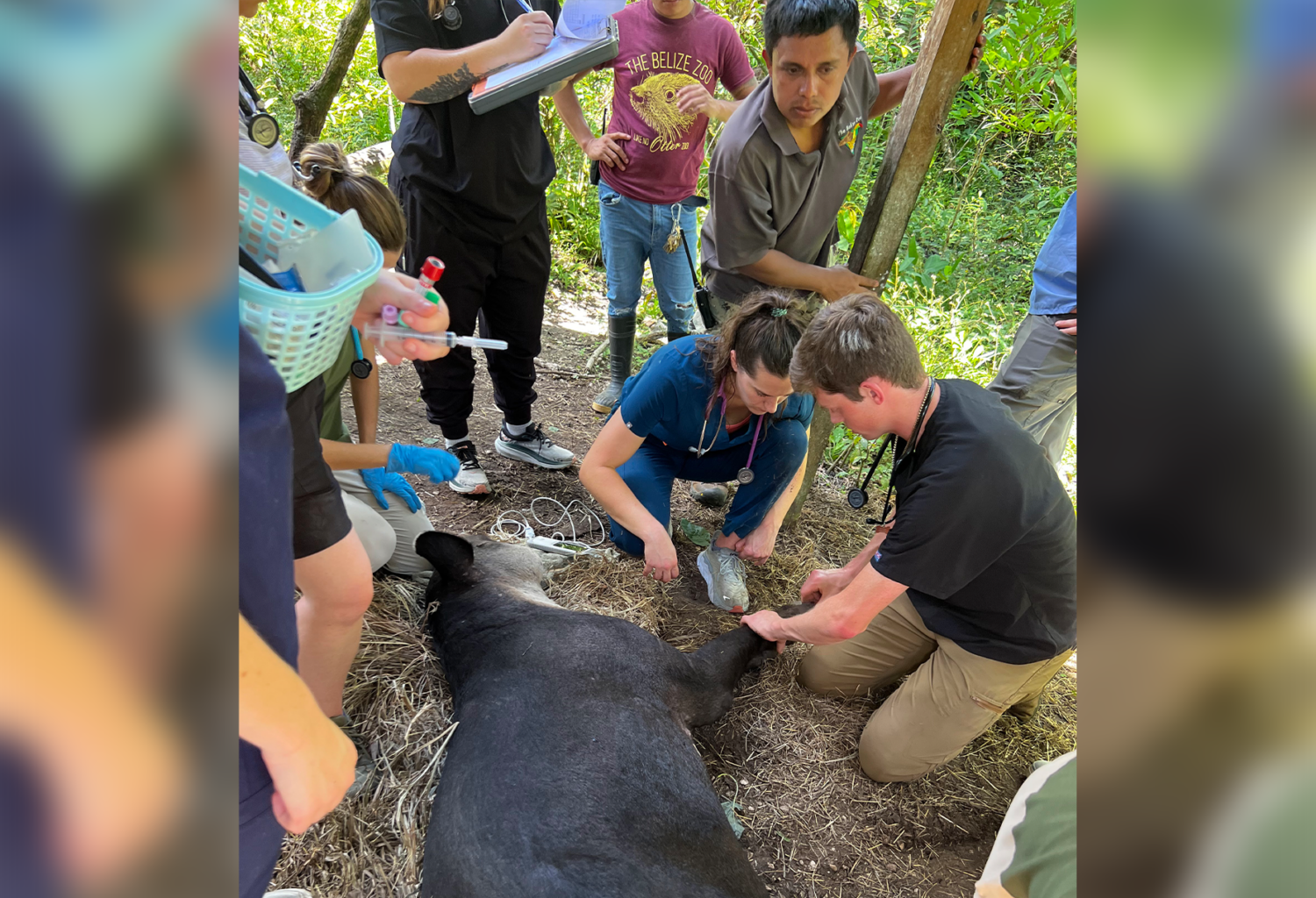
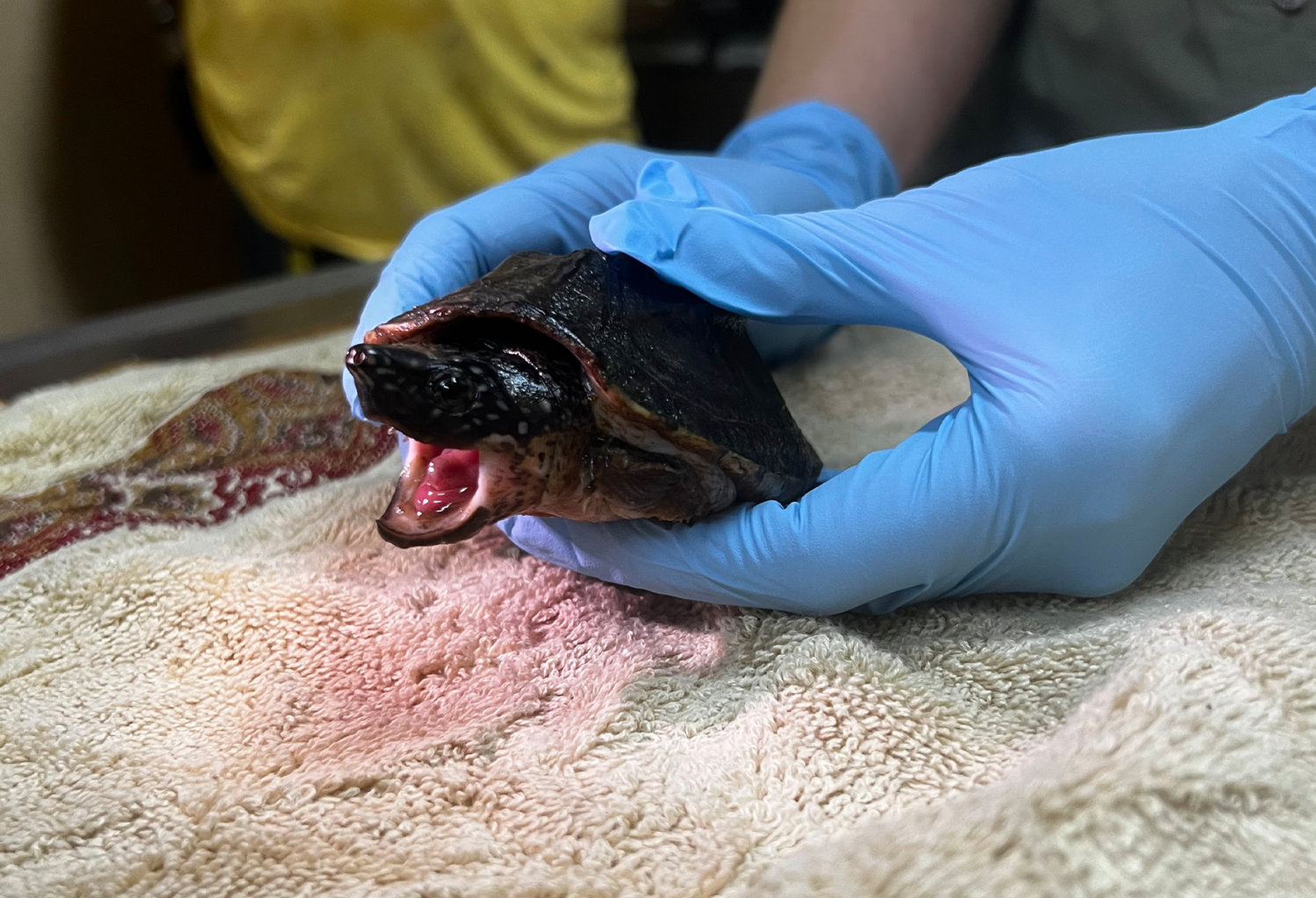
This challenge is part of the appeal for emergency veterinarian Hope Nicyper-Meryman, DVM, who has volunteered with wildlife in South Africa and trained in St. Kitts. “It makes you incredibly resourceful,” she says. “Maybe we can’t ride that Cadillac. That doesn’t mean we can’t take the Toyota Corolla that’s still going to get us there.”
Beyond clinical adaptation, many volunteers speak of deeper, more personal changes. When Emily Singler, VMD, Veterinary Content Specialist for AAHA, traveled to Guatemala as a veterinary student, her fluency in Spanish positioned her as a vital communicator between U.S. veterinarians and local horse owners.
“I was proud that I could do it while working in my chosen profession and happy that I could serve others who were in need and who relied on their horses for their very survival,” she recalls.
That experience altered her career course. “My volunteer experiences definitely influenced my interest in public health and in serving low-income communities. As a new veterinarian, my first job was in a low-cost clinic at a humane society, and I’m sure my experiences volunteering played into that decision.”
Like many others, she speaks of an emotional impact that lingers. “There’s nothing better than knowing you are doing good and making a difference,” Singler adds.
Career-defining moments
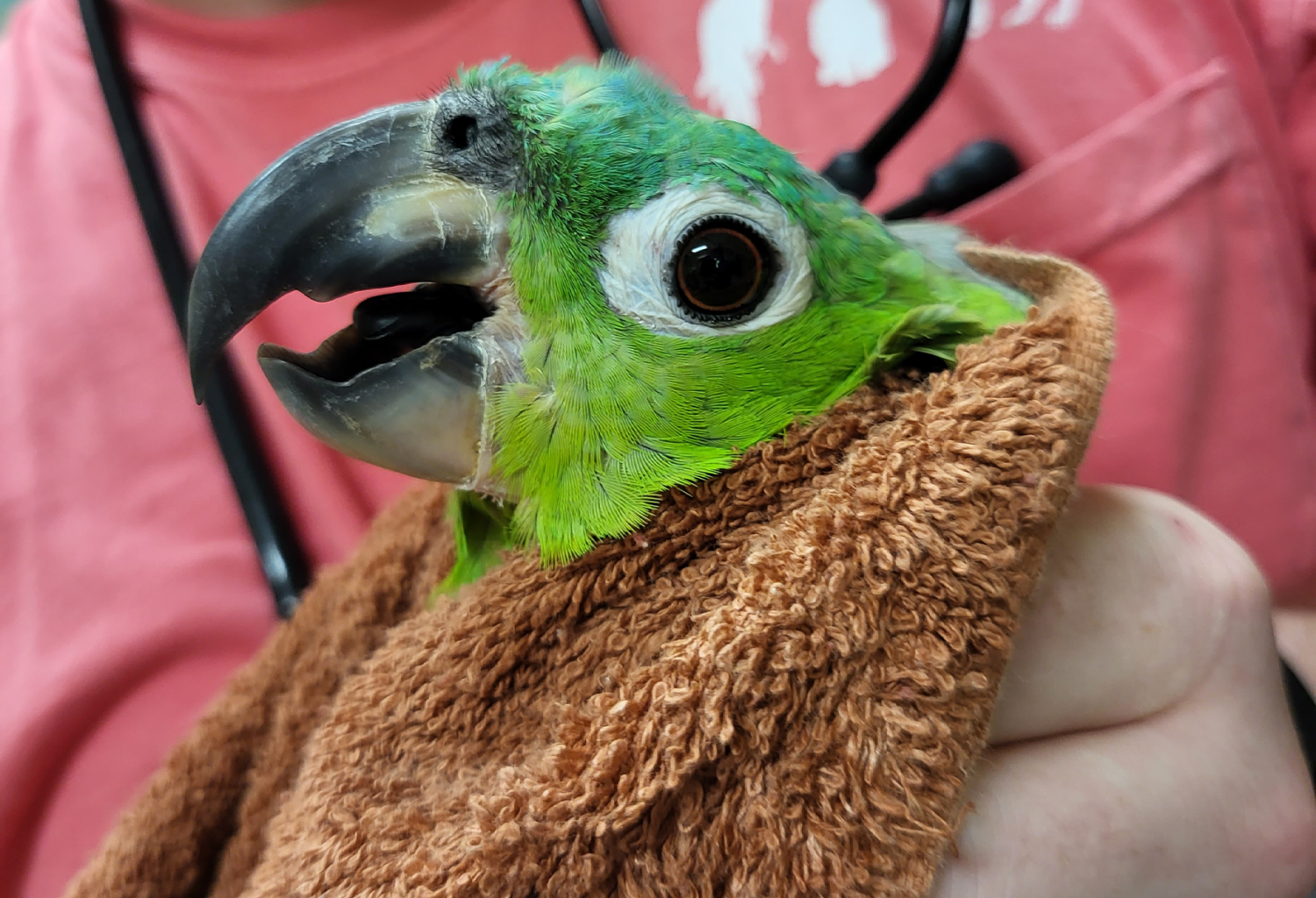
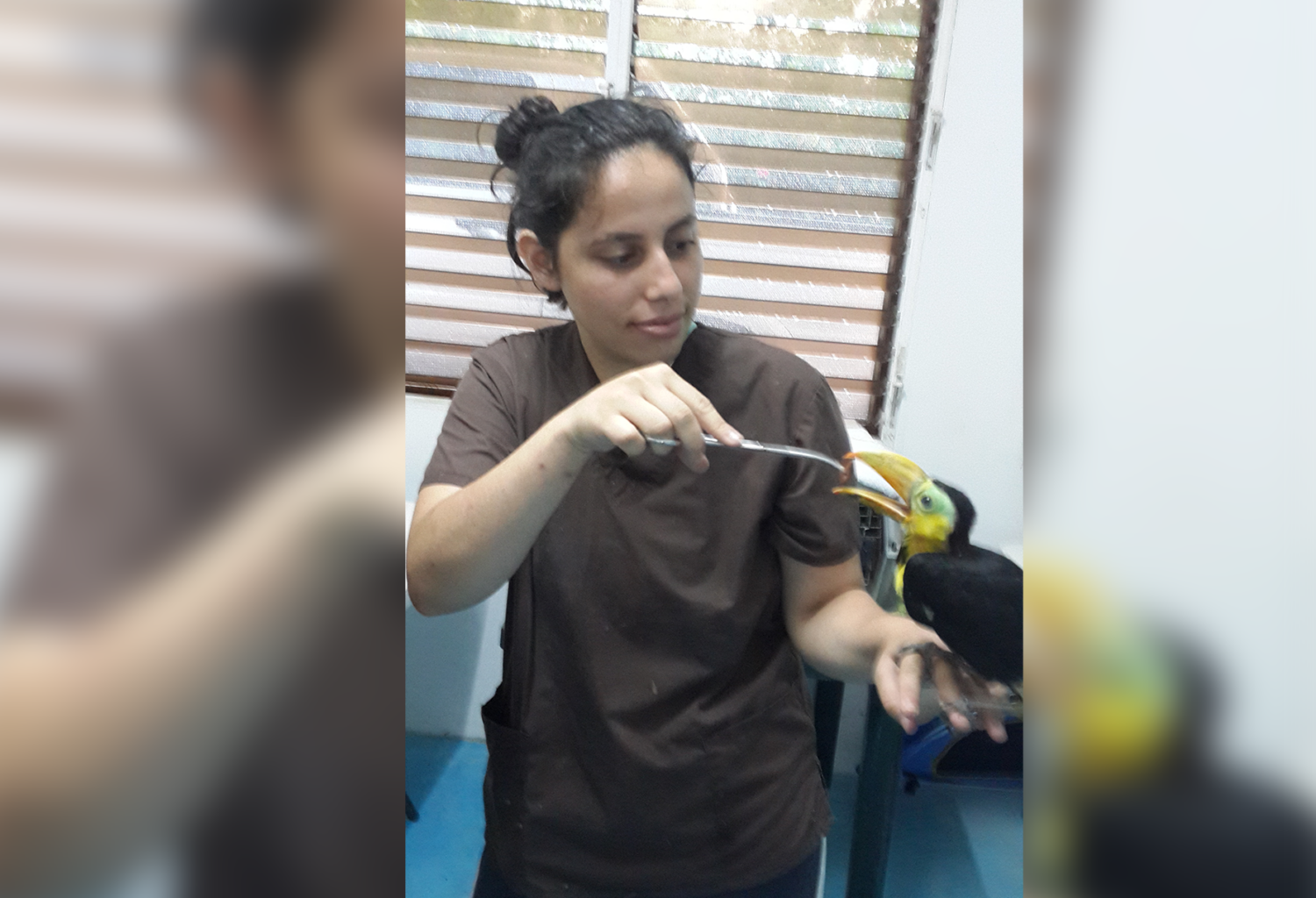
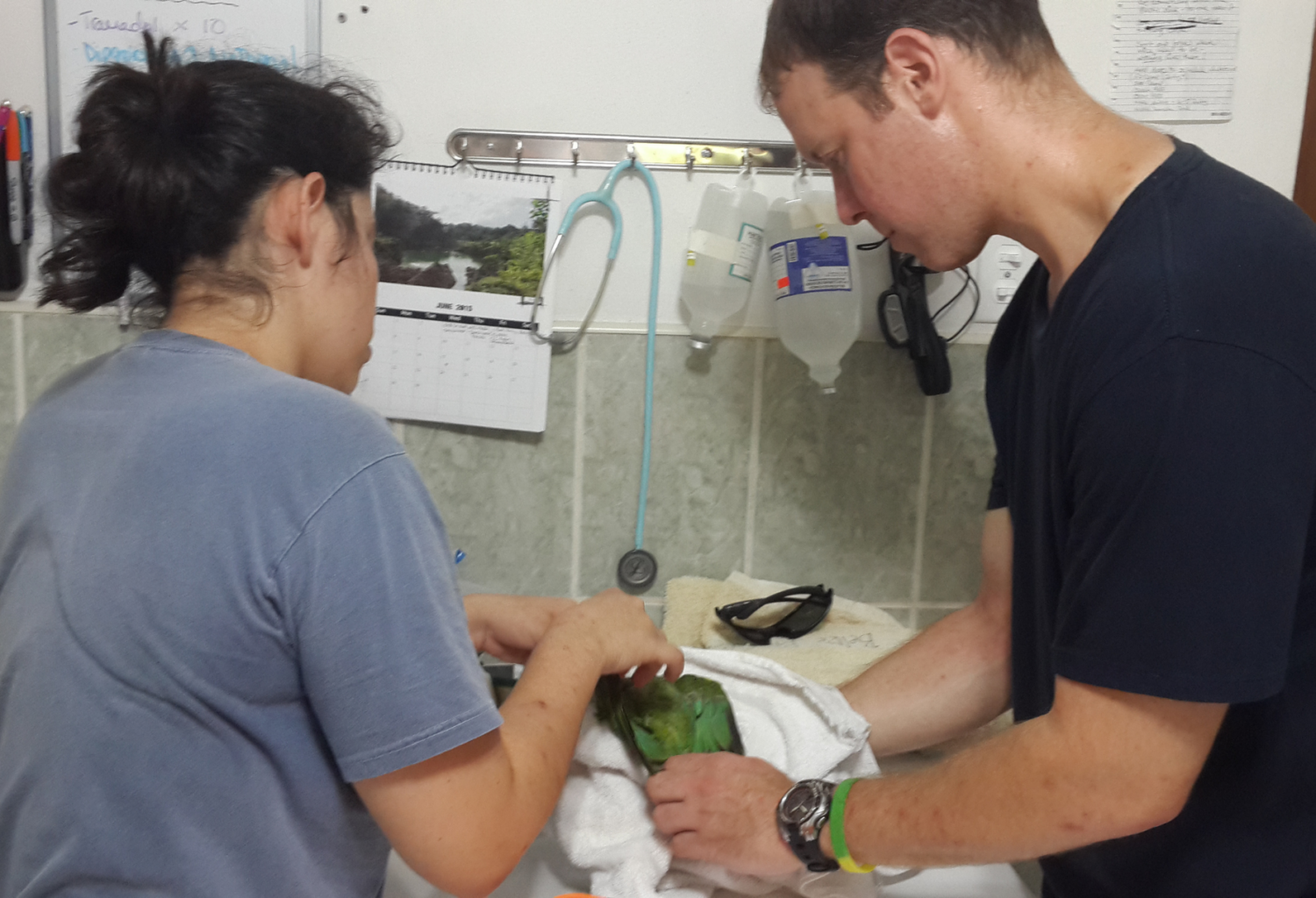
For Carla Zepeda, DVM, now practicing in emergency medicine, it was wild parrots in Belize that left the biggest impression.
“It wasn’t so much about the medicine,” she says. “It was about adaptability and being in a different environment, dealing with a different [day] every day.” She elaborates: “It sounds weird, but it’s almost like trying to find where to organize the chaos—exactly like triaging. But not just triaging the actual cases, but triaging the workload.”
That sense of organized chaos, and the rapid learning it requires, was familiar to Bailey Romi, RVTg, a veterinary technologist who was placed at a high-volume clinic in India.
“I told them I wasn’t confident with catheter placements. They said, ‘OK cool, that’s all you’re going to be doing for every single patient.’” Three weeks later, she could place one in her sleep.
Inspired by her experience abroad, Romi now works as Head Clinical Volunteer Coordinator for Worldwide Vets, helping others find placements in veterinary, conservation, or animal welfare programs around the globe. “Ever since I went on my first trip, I’ve been very vocal about how there are different ways to provide veterinary medicine based on the resources available to you that are still good practicing medicine.”
Wildlife work
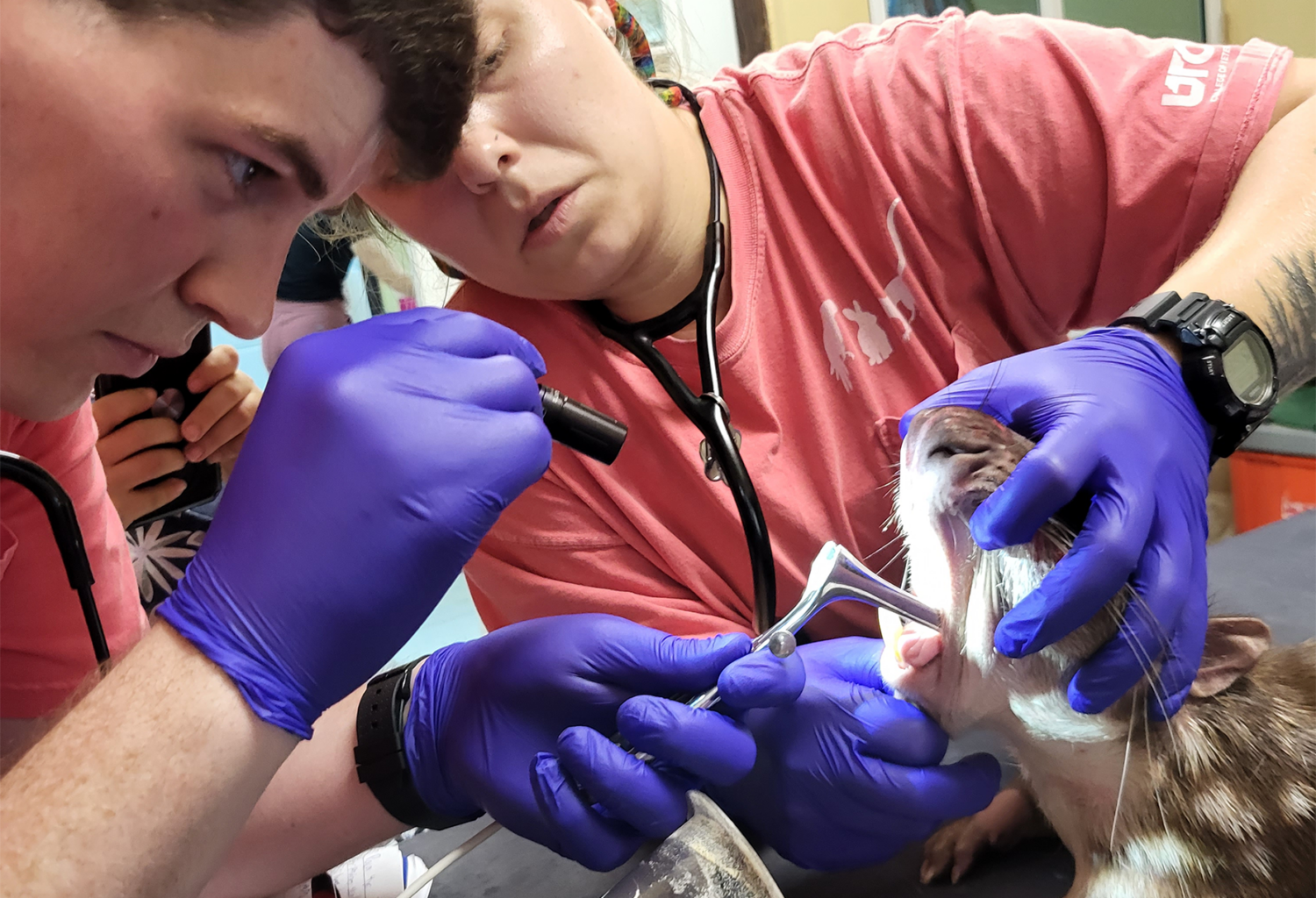
Working with wildlife abroad offers breathtaking moments and real-world challenges that textbooks cannot replicate. Whether darting in the bush or managing emergencies at remote field stations, these experiences demand humility, quick thinking, and ethical clarity.
Abou-Madi emphasizes how transformative these moments can be: “Despite the limited resources, that experience tells them, ‘Yeah, I’m ready for this kind of work. And I want to make a difference.’”
But the work isn’t always straightforward. Volunteers must wrestle with difficult questions—when to intervene, when to let nature take its course, and how to balance the needs of an individual animal with broader ecological consequences. These dilemmas stretch students in ways they are rarely stretched at home.
Exposure to experienced local professionals can also be eye-opening. “Our team of vets are all local to the area, whether it’s the state or India in general,” says Romi. “I learned a ton from them. They’re used to handling leopards, civets, and hyenas, so many different species and diseases. They’re so knowledgeable in how to recognize different disease pathways, building differentials, to see if it’s what they think it is versus something else.”
Domestic animal programs
While wildlife work often garners the spotlight, many of the most meaningful experiences come from volunteering with domestic animals in underserved communities.
High-volume spay/neuter clinics in Latin America, mobile units in rural villages, and post-disaster response efforts all provide essential services—while also sharpening participants’ surgical and diagnostic skills.
Romi recalls working alongside local veterinarians in clinics performing dozens of sterilizations each day. “Every surgery reduced stray populations while teaching efficient techniques rarely seen in Western practices.”
Often, it is the people who leave the biggest impression. Abou-Madi notes the long-term connections formed through volunteer trips.
“In Belize the local veterinarians are so gracious. They interact with us, they ask questions, and so the students realize that, you know, we as the faculty are interacting with them completely. And they do the same. So, there are some students who actually will develop long distance friendships and will continue to correspond.”
How to get involved
So, how can veterinary professionals choose the right program and ensure it has a lasting impact?
Start by clarifying your goals. Are you looking to build surgical skills, explore conservation, or broaden your cultural awareness? Then research carefully. Look for reputable organizations, clear safety protocols, and meaningful roles for volunteers.
Maximize the experience by journaling cases, reflecting on lessons learned, and following up with mentors and peers you meet along the way.
Veterinary growth through a global perspective
For some, international volunteer work confirms a lifelong passion. For others, it reveals unexpected strengths. But for nearly everyone, it leaves a lasting mark on their worldview, their clinical practice, and their empathy.
“If I can encourage that kind of openness for each student,” Abou-Madi reflects, “so they understand when one of their clients doesn’t have the means… maybe they can go back to that experience, and it enhances that feeling of sharing and being there for others.”
For veterinary professionals seeking renewal, inspiration, or a more global perspective, volunteering abroad offers all three. The emotional highs, the improvisation, and the resourcefulness required are not obstacles, they are exactly what make it career-defining.
Or, as Nicyper-Meryman puts it: “Just do it. If nothing else, it’s going to open your eyes to some amazing experiences. You’re going to learn something new.”
Resources for finding volunteer opportunities abroad:
- Worldwide Vets worldwidevets.org
- Veterinarians Without Borders vwb.org
- International Veterinary Volunteer Opportunities ivvopportunities.com
- Visiting Veterinarians International https://visitingveterinarians.com/
Photo credit: © Bailey Romi
Disclaimer: Trends content is meant to inform, educate, and inspire by providing an array of diverse viewpoints. Any content published should not be viewed as an official stance, position, or endorsement by the American Animal Hospital Association (AAHA) or its Board of Directors.
