Partner Content
The wrong pet insurance recommendation might come back to bite you
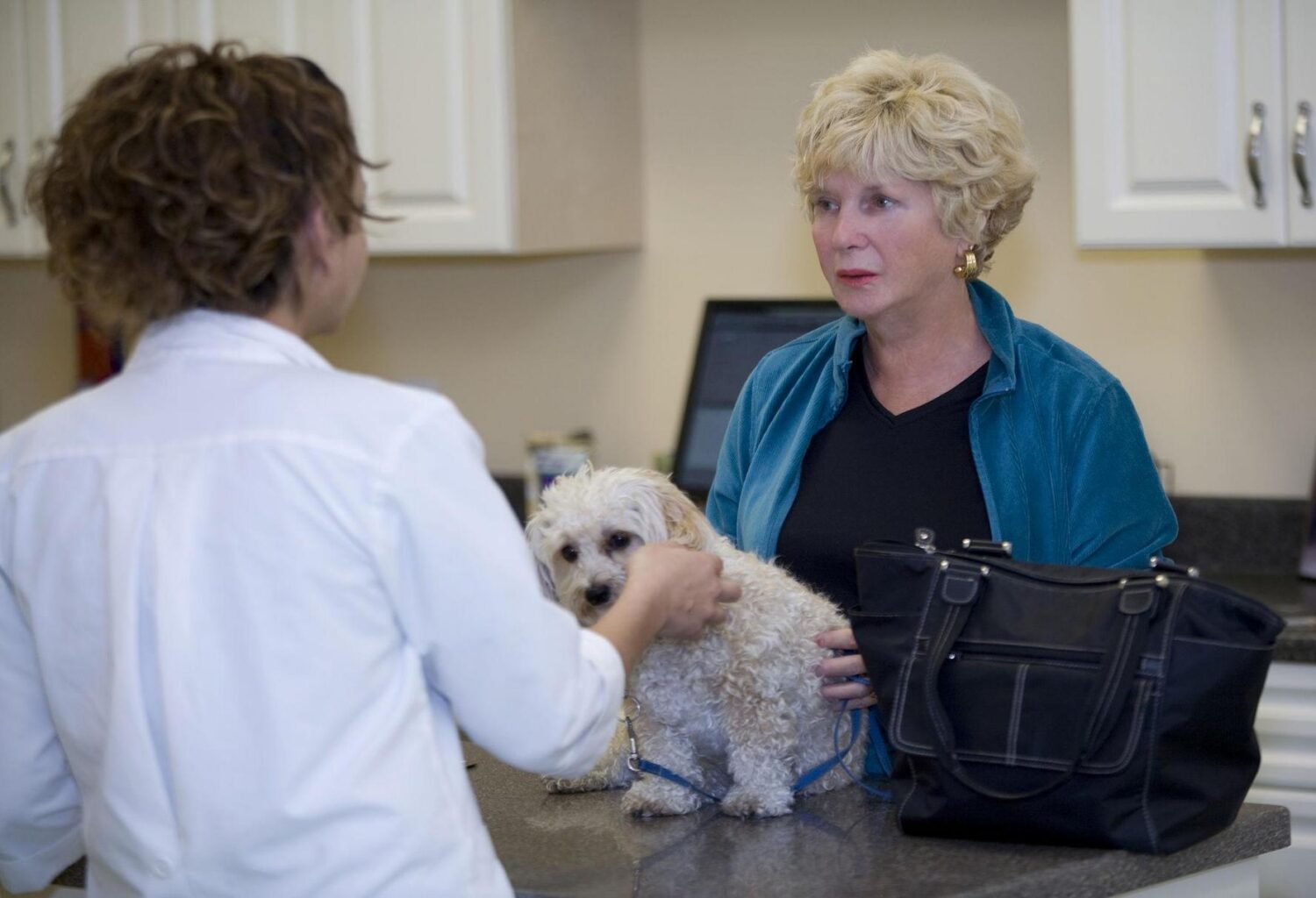
Be careful, your team’s credibility is one of the most valuable assets your practice owns.
Sponsored Content by Pawlicy Advisor
It happens almost five times a week. A client hesitates at the treatment plan. The room gets quiet. Someone on your team watches a pet family compare what they can afford with what their animal needs, and the conversation shifts from care to cost.
According to the most recent AAHA/Pawlicy Advisor State of the Industry data, 84.4% of veterinary professionals adjust recommended treatment plans weekly because of client cost concerns. Eight out of ten have a difficult financial conversation with a client every single week.
So when a client asks, “Should I get pet insurance?” — or better yet, “Which company should I go with?” — it’s tempting to have an answer ready. And many teams do. There’s usually a name that floats around the practice: the company a colleague had a good experience with, the one whose rep brought lunch last month, the one that recently paid a big claim.
But recommending specific pet insurance companies can open the door to trouble.
A market no clinician can track
There are more than two dozen pet insurance companies operating in North America. Their premiums, coverage terms, exclusions, breed-specific rules, waiting periods, and underwriting criteria vary significantly — and they change frequently. The average monthly premium alone ranges from $26.21 to $50.01 for cats and $38.20 to $73.06 for dogs (based on Pawlicy Advisor’s latest cost data across top pet insurance companies), and these figures vary by breed, age, ZIP code, deductible structure, reimbursement level, and coverage preferences.
Two families sitting in your waiting room at the same time could face dramatically different pricing and coverage realities based on their coverage needs and what health risks are unique to their pet’s breed.
No veterinary professional — no matter how dedicated — can realistically stay current across that entire landscape. Your team’s expertise is in medicine, treatment, diagnostics, and client communication. Tracking underwriting changes across 25-plus insurers in real time is a full-time job in a completely different industry and generally requires a property and casualty (P&C) insurance license to fully grasp.
When a team recommends a specific company by name, they’re inevitably matching some families well and mismatching others — on price, on exclusions, on coverage nuances they won’t discover until they file a claim. That mismatch can hurt the client and reflect poorly back on the practice.
>> Related reading: What’s the best pet insurance? The only honest answer is: It depends | AAHA
The licensing question your team probably hasn’t considered
A part of this conversation rarely comes up, but is a real liability: recommending a specific pet insurance company by name can be construed as solicitation of insurance. And insurance solicitation, in most states, requires a P&C insurance license.
Less than 1% of veterinary professionals hold one.
State insurance regulations exist to protect consumers from unqualified advice, and a veterinary professional steering a client toward a specific insurer, even casually, can cross that line. The data shows that the profession feels this tension when asked directly: 80.3% of veterinary professionals say they are not comfortable recommending one specific pet insurance provider, given the legal risks of not being licensed.
That discomfort is well-founded. The safest posture — and the one most aligned with existing regulations — is to refer clients to a licensed brokerage rather than naming a company yourself.
>> Related reading: Why veterinarians recommend using a broker for pet insurance | AAHA
Two risky turns, and the path between them
Some team members default to the other extreme: say nothing about pet insurance at all and assume clients will figure it out on their own.
This creates an information gap that can lead to difficult financial conversions. When families don’t have coverage, they’re more likely to decline or defer care. Pet owners trust their veterinary teams, and many who choose to protect their pet through pet insurance do so because their vet introduced them to the concept.
Both options present risks:
- Recommending a specific company is legally risky and often imprecise.
- Saying nothing leaves families exposed and costs the practice the clinical and financial benefits that insured patients bring.
The responsible path sits between them: educate clients on the value of pet insurance in general terms — what it does, why it matters, when to enroll — and then refer them to a resource that can handle the company-specific comparison with the rigor it requires.
For AAHA member practices, that resource is Pawlicy Advisor.
Pawlicy Advisor is a licensed insurance brokerage — not an insurer — and AAHA’s Preferred Business Provider for pet insurance. It evaluates breed, age, location, coverage needs, and underwriting terms across the market to match each family with the plan that fits their specific situation.
This is the handoff your team should be making. Not “we recommend Company X,” but “we recommend you compare your options through Pawlicy Advisor.”
What the practice gains
When clients land on the right plan — not just any plan, but one matched to their pet’s breed, age, and their own budget — they are more likely to use it and keep it. And when they use it, the downstream effects are measurable.
92% of veterinary professionals agree that pet insurance helps clients say “yes” to care. The cost barrier drops and clients can follow through on what your team actually recommends.
The key distinction:
- A well-matched plan drives clients to say “yes” to care far more reliably than a poorly matched one.
- A client who buys the wrong policy — one with exclusions they didn’t expect — may have insurance but still hesitate to proceed with the treatment plan.
Precise matching matters because it’s the difference between a client who has a bad insurance experience and blames the veterinary team for their recommendation and a client who has coverage that really works for them and trusts their veterinary team to do what’s right. (That precision is what a licensed brokerage like Pawlicy Advisor is specialized to deliver.)
The recommendation worth making
Your team’s credibility is one of the most valuable assets your practice owns. Spending it on a specific insurance brand — one you can’t fully analyze, can’t guarantee will suit every family, nor have a P&C licensed to recommend — is a significant risk to that credibility.
The best recommendation your team can make is to point families toward a process that accounts for their specific variables: their pet’s breed, their location, their budget, and the coverage terms that will actually hold up when they need them. Not a specific insurer. A brokerage. And Pawlicy Advisor is the one AAHA trusts to get it right.
>> Recommended resource: Pawlicy Advisor for Veterinary Practices
*Data cited from the AAHA/Pawlicy Advisor State of the Industry Report: The Impact of Pet Insurance on U.S. Veterinary Practices: https://www.pawlicy.com/pet-insurance-impact-on-veterinary-practices-report/
