Practice Management
Urgent care your way: Finding the right model for your team
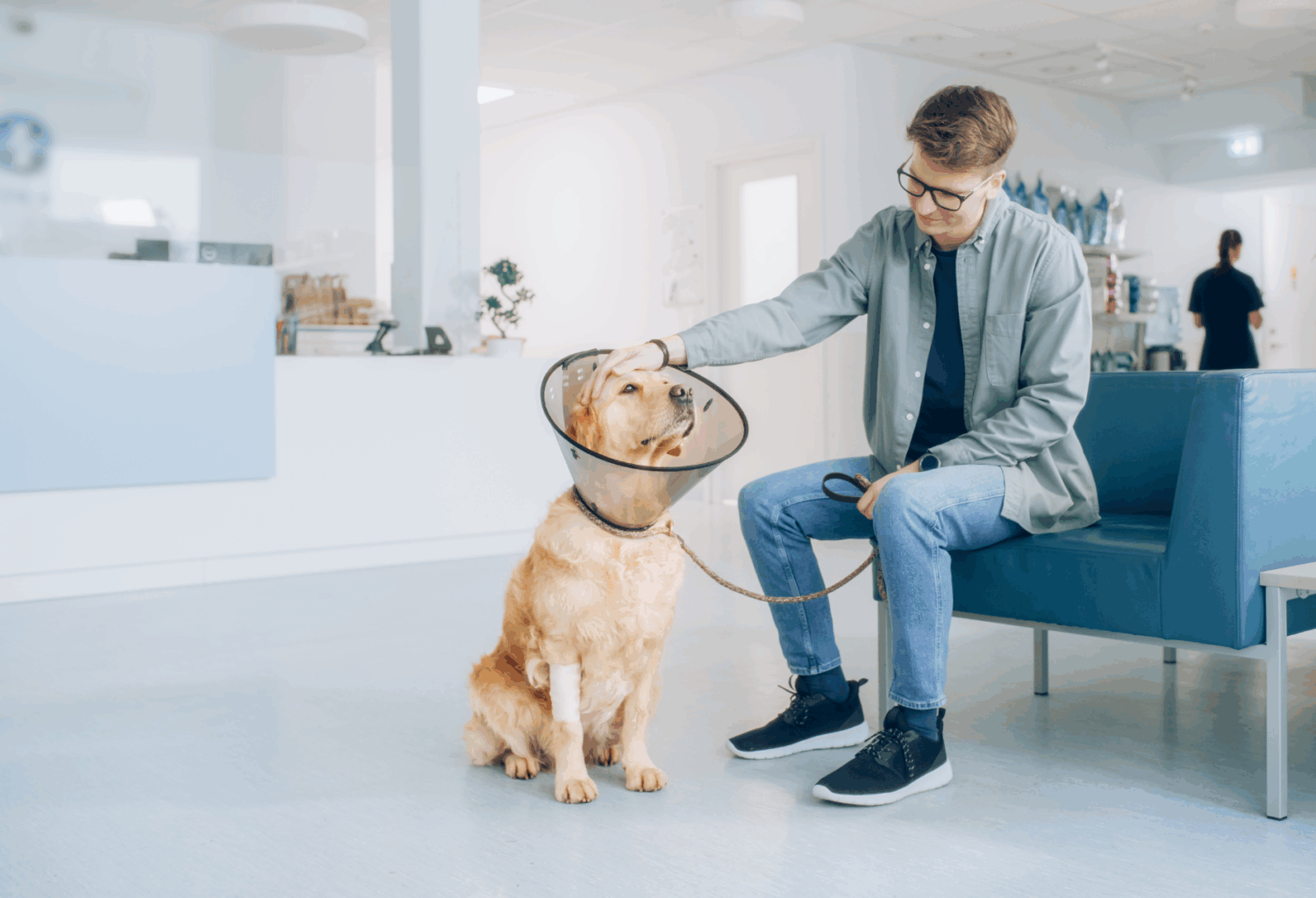
As client expectations evolve, veterinary practices are finding innovative ways to provide urgent care that strengthens both their teams and their connection to the community.
Advertisement
In recent years, pet owners have increasingly come to expect care for their pets that mirrors the type of medical care available to humans in both complexity and convenience. The veterinary industry responded to this need in a variety of ways, including increased specialization and segmentation, more emergency hospitals, and even the advent of veterinary urgent care centers. These practices follow the model of human urgent care centers in that they treat patients who can’t wait for a scheduled appointment but who aren’t experiencing a life-threatening emergency.
If you’re considering how your practice fits within this expanding model of care, it’s important to understand that there’s more than one way to do it. This means that depending on your capacity and desire to see urgent care cases—and the other options available to pets and their families in your area— urgent care can take several different forms. Each approach offers its own balance of client service, staff workload, and financial return. Understanding how these models differ can help you choose the one that best fits your team and your community.
The benefits of urgent care
Adam Hechko, DVM, Interim Chief Operating Officer of AAHA and owner of North Royalton Animal Hospital in North Royalton, Ohio, sees the benefits of urgent care services for patients, their families, and for veterinary teams.
Patients and families
For patients and their families, having an urgent care option can meet their needs in ways that general practice and emergency care may not always be able to do. Urgent care can allow pets with non-emergent conditions, who might otherwise have to wait an extended period of time to get an appointment, to be seen more quickly or avoid having to be worked in on top of an already-full general practice appointment schedule. In either case, this can provide relief to pets faster and provide peace of mind (or at least answers) to worried families.
Urgent care also provides another option apart from emergency care, which can also be associated with long wait times (especially for those non-emergent cases) and a higher cost of care.
General practice veterinary teams
Veterinary teams can benefit from clients having access to urgent care services in a variety of ways.
For general practice veterinary teams, having an urgent care option to which to refer families can create less disruption to the schedule on an already busy day. This can lead to less burnout and allow team members to give more time, energy, and focus to the pets and families on their schedule, which can result in better quality medicine and better patient outcomes.
Hechko said that trying to fit urgent care cases into an already packed schedule was one of the biggest challenges his team faced. “When you know that you have that pressure of that urgent care appointment in in that type of structure, you may be missing things…. because you feel the pressure to wrap up the appointment and move on,” he said.
Emergency veterinary teams
Emergency teams can benefit from the presence of an urgent care option for pets in their area because it can free them up to treat more life-threatening emergencies, stabilize and hospitalize pets, and perform surgeries without having to also handle ear infections and urinary tract infections that take them away from their other cases.
Ways to offer urgent care
Urgent care spots on GP schedule
In some general practices, urgent care visits can be accommodated within the regular appointment schedule without too much disruption to the flow of the day. This may be particularly true in times when business is slow and the demand for wellness appointments has dipped.
In addition to efforts to schedule previously recommended exams and treatments for existing clients, practices can work to bring more patients in the door by openly advertising urgent care services. This may create an opportunity to attract new clients, who may be especially grateful to have been fit in quickly when their pet needed care the most.
In practices where business is not necessarily slow but leaders still feel there is a capacity to offer urgent care in house, reserving a set number of urgent care blocks on the schedule each day can be a good way to accommodate both scheduled appointments and more urgent patient needs.
How many blocks to place on the schedule will vary from one practice to the next based on how busy the practice is currently, how frequently the blocks end up being filled, and whether there are additional requests for urgent care that are currently going unmet. Practices may also need to consider the availability of other urgent care or emergency options in their surrounding area when determining how to structure their urgent care blocks.
However urgent care spots are organized, this form of delivery can not only boost hospital revenue but also provide pets and their families care in a familiar setting that allows for continuity of care.
Standalone urgent care service within a general practice
In Hechko’s practice, where they run an urgent care service alongside their general practice appointments, the presence of the urgent care service reduces burnout and provides more variety for team members.
His practice made this change because his team struggled to turn down a client in need. “Saying no was incredibly distressing to the team because we also want to be there for our patients, right? We want to help them when they’re needed.”
Hechko said most of his team members rotate between working in general practice and seeing urgent care cases. This can break up the routine and give them more variety so that not every day is organized the same way. Some team members, however, have a strong preference for one type of practice over the other, which he tries to honor as much as possible. For example, some thrive on the adrenaline rush of the urgent care cases that might need more of a workup, whereas others prefer the wellness appointments and chronic disease management typically handled by the general practice schedule. Hechko allows them to choose their own adventure.
Additionally, offering urgent care within the practice allows the team to provide their long-term patients care in a setting that is familiar with team members they already know. Hechko said, “Having that urgent care model within the practice gives those clients peace of mind knowing they they’re booking out two weeks in advance, but they know if they really need something, we’re there for them. ”
While this is a valuable offering for his existing clients, Hechko also offers this service to new clients in need of urgent care for their pets. This allows him to grow his practice.” 50% of the urgent care [cases] that come into my office are new clients,” Hechko said.
Redirect to separate urgent care
While in-house urgent care options may work well for many practices, some may be so busy handling their scheduled appointments that accommodating additional urgent care cases would be too much of a strain on the team.
Hechko has seen this play out in practice, where team members want to be able to say yes to every client, even when their schedule is already overloaded, because they don’t want any patients to go without care. “I think urgent care needs for existing clients can be really disruptive to the schedule and stressful for the doctors and the team,” he said. “They want to serve that client, they’re probably going to say yes in a lot of situations, but a lot of times then it gets them further behind and creates a lot of stress.”
In these cases, and when local urgent care or emergency options exist, referring to them can be a great way for practices to help their patients get the care they need in a timely manner without throwing the schedule off completely.
Hechko acknowledges this is a departure from how things used to be in veterinary medicine, and it may not feel comfortable for veterinary teams—or for clients—right away. But if the team can help clients feel that their recommendation is made with the pet’s best interest in mind, that can help them feel more supported even if they are being referred elsewhere.
Referral to a separate urgent care center may make the most sense in very busy practices, for practices with limited staff, those who serve a large population without much competition, and those that have been formatted to focus primarily on wellness and preventive care and lack the space, equipment, and staff to accommodate sick and injured patients.
Things to keep in mind
Whether a practice is going to see urgent care cases themselves or refer them elsewhere, it is important to define which types of cases and situations constitute urgent care for their practice. This can help everyone on the team understand how to accommodate pets who need care in a way that works with the team’s schedule and also provides care efficiently for pets who need it quickly.
Practice leaders can also create and review protocols for triage of urgent care cases with their team members so that everyone knows how to respond to clients’ requests for care.
Hechko said it’s important to acknowledge that in some cases, particularly with life-threatening conditions like a hit by car injury or a pet having trouble breathing, there is often no phone call or opportunity to discuss scheduling or referral. “Those just usually walk in,” he said. In those cases, practices should be prepared to provide initial stabilization and support where possible, even if they will ultimately need to refer the patient elsewhere for continued care.
However you choose to approach urgent care, the goal is the same: to provide access to care for your patients and clients when they need it in a way that works for your team. There’s no one-size-fits-all model, and what works best may change as your practice and community evolve. But no matter how you structure it, a responsive urgent care strategy can strengthen your practice’s connection to the pets and families you serve.
Further reading:
Photo credit: gorodenkoff/iStock via Getty Images
Disclaimer: Trends™ content is meant to inform, educate, and inspire by providing an array of diverse viewpoints. Any content published should not be viewed as an official stance, position, or endorsement by the American Animal Hospital Association (AAHA) or its Board of Directors.
