Clinical
Veterinary hospice and end-of-life care: A profession comes full circle
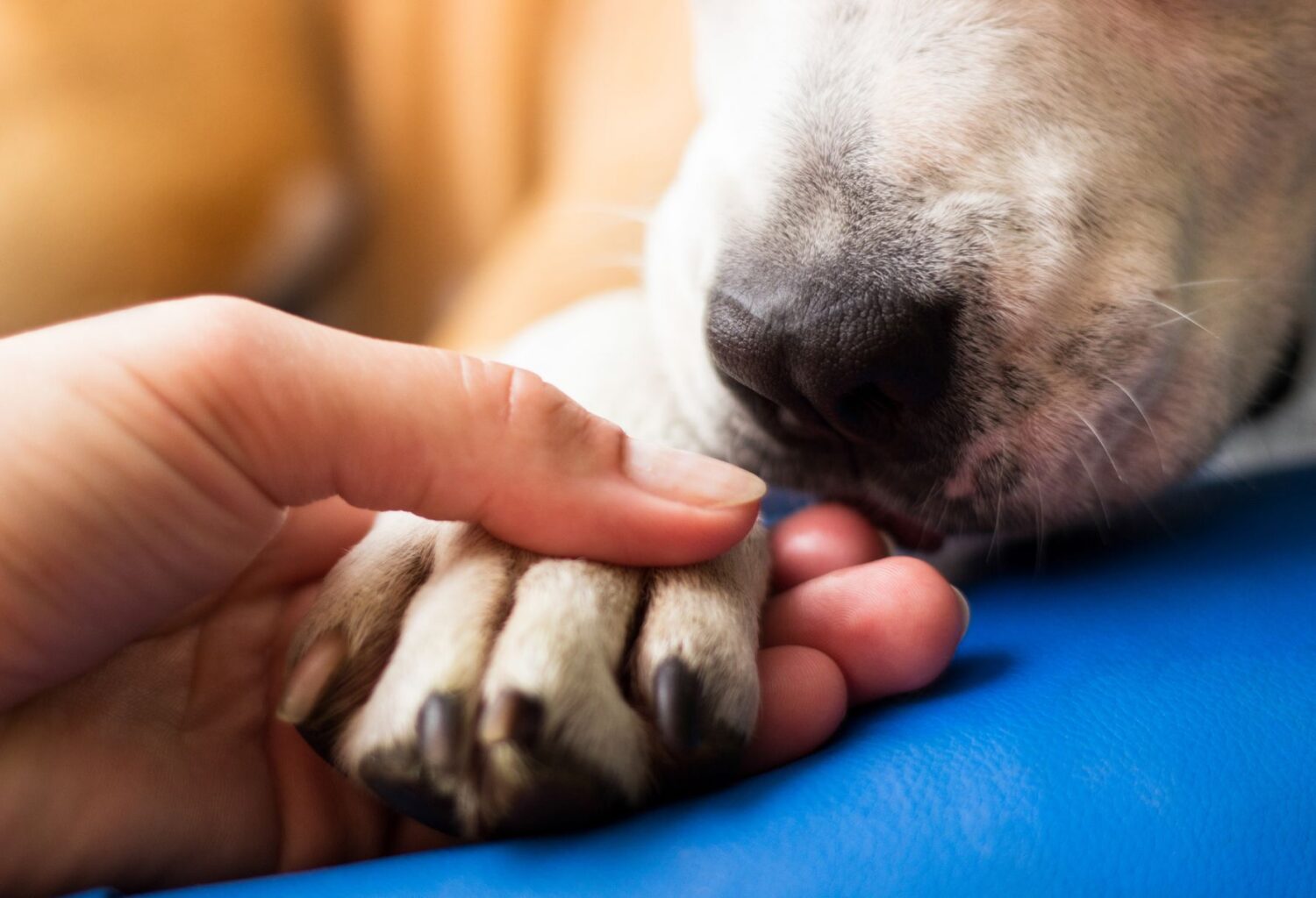
The rise of veterinary hospice and end-of-life care represents a shift that both looks to the future and back to the profession’s roots by viewing this final stage as an opportunity to provide exceptional care, rather than a failure to heal. We’ve come a long way, and there’s incredible potential to continue evolving.
Advertisement
Veterinary medicine has long centered on healing, curing, and extending life. Yet, in recent decades, a profound shift has occurred, one that reframes the final stage of life not as failure, but as an equally important opportunity for care. The rise of veterinary hospice and palliative care represents both a return to the profession’s roots and an evolution toward a more holistic model of care.
Where did veterinary hospice originate?
While modern veterinary hospice feels like a new frontier, its philosophical roots stretch back decades. Hospice care itself became widely recognized in human medicine in the 1970s and 1980s, emphasizing comfort, dignity, and quality of life rather than cure. The International Association for Animal Hospice and Palliative Care (IAAHPC) notes that these principles began to influence veterinary medicine in the 1990s, as pet owners increasingly sought similar compassionate care for their animals.
Early adopters within the veterinary profession recognized a gap: patients with life-limiting disease were often managed until a crisis point, with euthanasia as the only clearly defined endpoint. As Kerry Muhovich, DVM, MPH, CCRP, CAMVP, who is also trained as a companion animal end-of-life doula, observed, there was a “care gap between diagnosis and death” where patients and families lacked structured support.
In-home euthanasia services, emerging in the early 2000s, became a critical stepping stone. These services acknowledged the importance of environment, family presence, and emotional experience. At the same time, they highlighted a deeper need, not just for a peaceful death, but for guidance throughout the entire end-of-life journey.
The evolution of veterinary hospice care
The formalization of veterinary hospice began in earnest with the founding of the IAAHPC in 2009. The organization was built on a mission to bring structure, education, and legitimacy to this emerging field.
IAAHPC played a pivotal role in defining standards of care, developing certification programs, and fostering a community of like-minded professionals. By 2013, it introduced the first Animal Hospice and Palliative Care Guidelines, followed by the 2016 AAHA/IAAHPC guidelines and the 2023 AAFP/IAAHPC Feline Hospice and Palliative Care Guidelines, marking a significant milestone in mainstream recognition. AAHA announced the launch of its specialized End-of-Life Care (EOLC) accreditation program in September 2020.
These efforts helped shift veterinary hospice from an informal concept into a recognized discipline grounded in evidence-based medicine, interdisciplinary collaboration, and ethical decision-making.
Where veterinary hospice is today
Today, veterinary hospice and palliative care is among the fastest-growing niches in the profession. What began as a handful of pioneering practitioners has expanded into a global network of veterinarians, technicians, and support professionals dedicated to end-of-life care.
Membership in the IAAHPC worldwide has grown steadily, alongside the development of certification pathways such as CHPV (Certified Hospice and Palliative Care Veterinarian), CHPT (Certified Hospice and Palliative Care Technician), and CHPA (Certified Hospice and Palliative Care Advocate). The organization continues to advance research, publish guidelines, and offer continuing education to meet increasing demand and recently published updated Animal Hospice and Palliative Care Guidelines (2026).
Parallel to this growth is the expansion of hospice-focused practices. Mobile, in-home services have proliferated across the United States and internationally, with new providers entering the field each year. As early as 2009, directories of hospice and in-home euthanasia providers were already expanding weekly, a trend that has only accelerated.
Equally important is the impact on families. With an estimated tens of millions of pet-owning households in the U.S. alone, the demand for compassionate end-of-life care has surged. Hospice care now helps countless families navigate difficult decisions, manage chronic illness, and create meaningful final experiences with their pets.
No longer just a niche
This growing demand has not only shaped the experiences of families but has also transformed the structure of the veterinary profession itself. What began as a niche service offered by a small number of pioneers has evolved into a rapidly expanding sector of care. Across the country, solo practitioners are building deeply personal, community-based end-of-life practices, while larger, multi-veterinarian organizations are emerging to meet demand at scale—some spanning multiple markets and even transitioning into corporate-backed models.
Organizations like Caring Pathways have contributed to this evolution by helping to expand access to in-home hospice and end-of-life care across multiple regions, while maintaining a focus on individualized, family-centered support. Alongside many others in the field, these models reflect a shared commitment to meeting families where they are, both geographically and emotionally.
This expansion reflects more than business growth; it represents a meaningful shift in how veterinary medicine shows up for families. Increased access to hospice and in-home euthanasia services allows more pet owners to choose care that aligns with their values: care that prioritizes comfort, dignity, and presence in the home. For families, this means more time to process, more decision-making support, and more opportunities to create intentional, peaceful final experiences with their pets.
As these services become more widely available, they are not only filling a clinical gap but also redefining what compassionate, relationship-centered care looks like at the end of life, ensuring that more families feel seen, supported, and guided through one of the most meaningful chapters of the human-animal bond.
A cultural shift in veterinary medicine
Perhaps the most significant change is cultural. Veterinary medicine is increasingly embracing a “care over cure” mindset when appropriate. This comfort-first approach values quality of life, emotional support, and the human-animal bond as central to clinical decision-making.
Hospice and palliative care have also broadened the veterinarian’s role. Today’s end-of-life care teams often include not only veterinarians and technicians, but also grief counselors, social workers, and trained support staff. This interdisciplinary approach recognizes that end-of-life care extends beyond the patient to include the family and the caregiving experience.
What does the future of veterinary hospice hold?
Despite its rapid growth, veterinary hospice remains an underserved area, with a continued shortage of trained providers. Yet, the trajectory is clear. As awareness grows and education expands, hospice and palliative care are poised to become a standard component of comprehensive veterinary practice.
In many ways, this evolution brings the profession full circle, back to its foundational commitment: not only to heal when possible, but to comfort always.
This content was made in partnership with Caring Pathways, an AAHA End-of-Life Care accredited practice.
Photo credit: sanjagrujic/iStock via Getty Images Plus
Disclaimer: Trends™ content is meant to inform, educate, and inspire by providing an array of diverse viewpoints. Any content published should not be viewed as an official stance, position, or endorsement by the American Animal Hospital Association (AAHA) or its Board of Directors.
