Practice Management
Veterinary receptionists: Managing tasks, emotions, and more
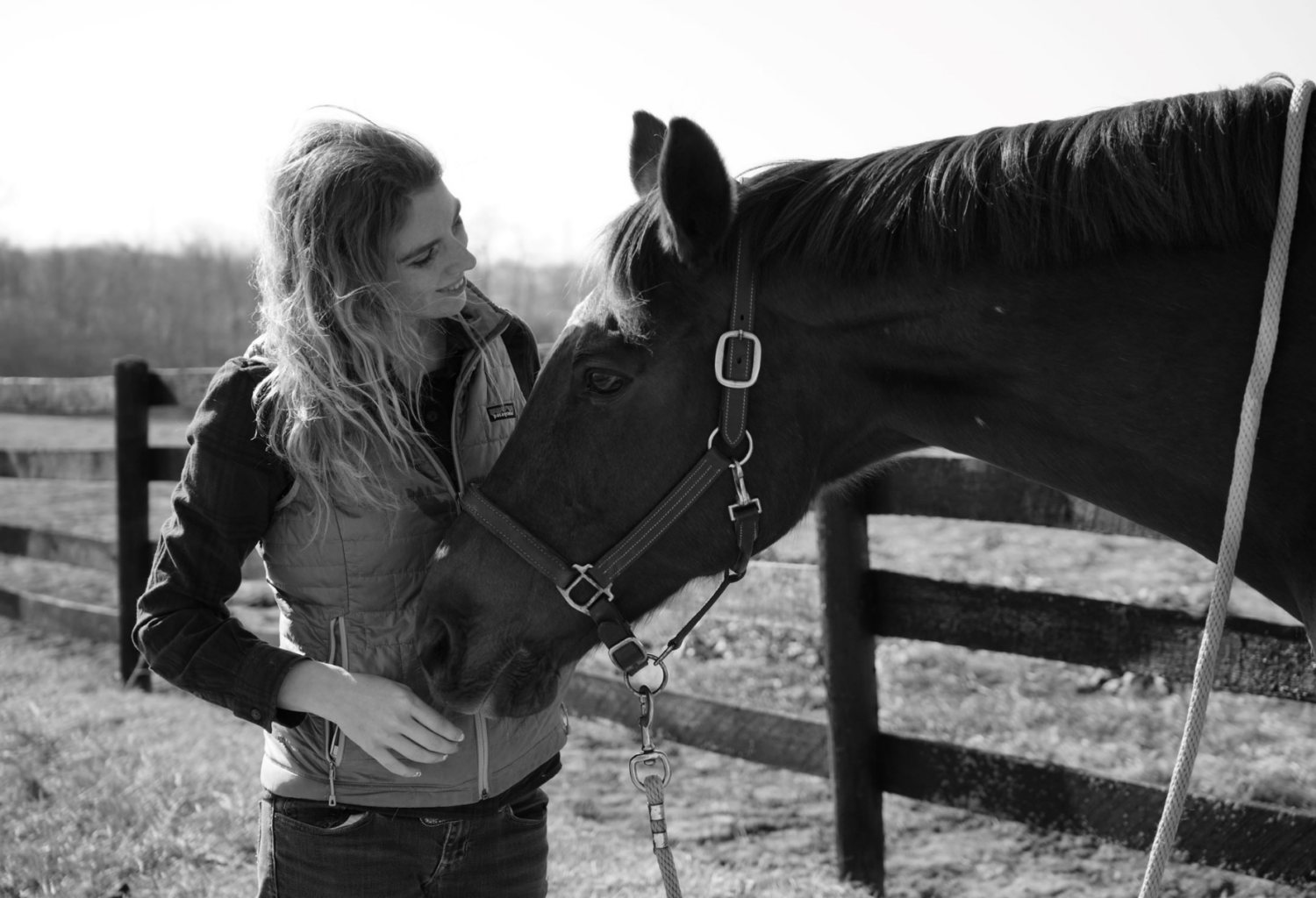
Veterinary receptionists are often the first voice pet owners hear when they’re scared, confused, or desperate. They guide clients through difficult, emotional conversations, and they often act as a bridge between the care team and the pet’s family.
If you’ve ever thought that this crucial role “just” answers the phone, this first-person view from AAHA’s own Alice Bayless will help you better understand all the tasks veterinary receptionists handle. Because, truly, there’s no “just” about it.
Advertisement
In honor of Veterinary Receptionist Week, AAHA’s digital marketing specialist, Alice Bayless, shares her experience. Although she’s now full-time at AAHA, her journey to that role is rooted in hands-on veterinary experience. She spent years in clinical practice, first as a veterinary assistant at a busy small animal emergency and referral center, and later as a veterinary assistant and, eventually, office manager at an equine ambulatory practice in Pennsylvania.
Today, in addition to her position at AAHA, she works part-time as a second-shift receptionist at Rood and Riddle Equine Hospital in Lexington, Kentucky. She believes that staying connected to clinical practice scratches the itch she has for veterinary medicine and helps her remain aware of the challenges veterinary professionals face—especially those on the front lines, including the often-overlooked front desk staff.
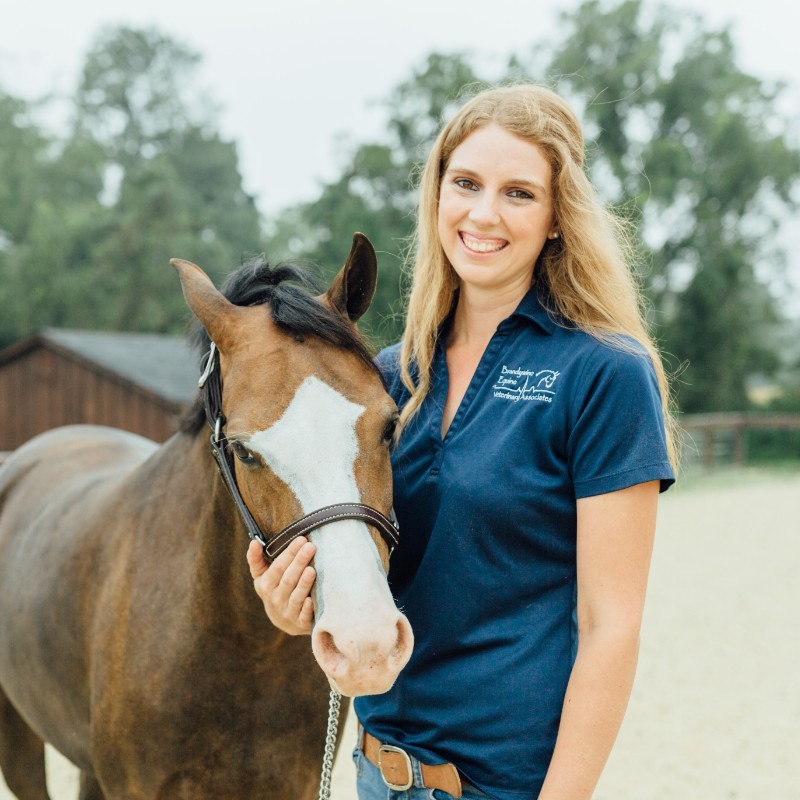
I’ll never forget my first emergency call at the equine practice. I was a new face, eager to help and a little cocky after transitioning from a busy small animal emergency clinic to what appeared to be a quieter, mud-filled environment where we traveled to our patients.
But there was one thing I hadn’t yet done in my previous role: answer the phone.
I was chipper as I answered, expecting a routine call for preventative care but a panicked voice came over the line, “My old horse is down, we can’t get him up.”
The desperation in her voice struck me, but what really hit me was the helplessness I felt. It was clear that there was a boundary I needed to draw between gathering information for the veterinarian and managing my own emotions. I took a deep breath, expressed my concern, and got to work. That moment is still vivid in my mind as a reminder of the emotional weight we carry in this role and the need to be adaptable at a moment’s notice.
A constant balancing act
Receptionists are often the first voice pet owners hear when they’re scared, confused, or desperate. We guide clients through difficult, emotional conversations, sometimes appearing insensitive when we have to mention deposits or payment methods before treatment.
While managing these tough moments, we also juggle the logistical side—scheduling appointments, answering insurance questions, and ensuring the clinic runs smoothly. It’s a constant balancing act that requires a unique set of skills.
And this—the sheer level of multitasking required—is an aspect of the receptionist role that often goes unnoticed.
Picture this: it’s a busy day. Multiple phone lines are ringing, the waiting room is full, doctors are scrambling for client information, and technical issues arise with diagnostic uploads on the PIMs. Meanwhile, you’re checking clients in and out, managing inventory shipments, and answering questions from both clients and coworkers. And that’s just the tip of the iceberg.
Managing tasks and emotions
As receptionists, we don’t just answer calls and schedule appointments. We are emotional support during some of the most difficult moments for pet owners and our colleagues. We carry their worry and fear with us long after our shifts end, seeing the sadness in their eyes and hearing the distress in their voices.
One evening, shortly after I lost my own horse, a woman brought in her severely colicking horse on an emergency call. I could hear her crying in the waiting room, knowing that surgery wasn’t an option for her financially, and weighing the only other humane option. It was unbearable.
I ended up sinking under my desk and crying, empathizing deeply with her grief. I still think about her and the pain she must have carried with her, and it reminds me of the emotional toll this role takes on all of us.
A bridge between clients and medical teams
The receptionist role is not just about sitting at a desk. We are the bridge between the clients and the medical team.
We listen, gather critical information, and relay it to the team to help them make informed decisions. We provide comfort and relay basic information when the medical team is too busy to step out and speak with clients.
And, in the midst of all of this, it often falls on us to ensure the clinic runs smoothly—even when everything seems to be falling apart behind the scenes.
Nothing “just” about it
We often deal with aggressive, demanding, and downright rude clients. I’ve taken details from a client over the phone, only to encounter a completely different situation once the patient arrives (at which time I’ve felt the need to defend my knowledge and expertise).
And, all too often, I’ve been dismissed or talked down to—by both clients and colleagues—simply because I’m “just” the receptionist.
But there’s nothing “just” about it. Receptionists are essential to the functioning of any veterinary practice.
As we celebrate Veterinary Receptionist Week, I want to take a moment to recognize and appreciate the incredible work of veterinary receptionists. You are more than “just” the voice on the other end of the phone; you are the heartbeat of the clinic, ensuring everything runs smoothly even when emotions are high.
To every veterinary receptionist, CSR, and front desk professional: I see you. I appreciate you. You are essential to the veterinary industry. Thank you for everything you do.
Photo credit: Courtesy of Alice Bayless
Disclaimer: Trends content is meant to inform, educate, and inspire by providing an array of diverse viewpoints. Any content published should not be viewed as an official stance, position, or endorsement by the American Animal Hospital Association (AAHA) or its Board of Directors.
