Culture and People
View from the Board: Strengthening veterinary practice through mentorship and formal training
Mentorship and formal training are critical elements in supporting new team members across all roles in fostering a collaborative culture and enhancing patient outcomes.
Advertisement
Creating and maintaining a collaborative, high-performing team is a continuous challenge that won’t settle for complacency. I have found that the success of veterinary healthcare delivery depends not only on clinical acumen but also on team cohesion, communication, and continuous professional development.
As the veterinary ecosystem grows in complexity, the onboarding strategies we employ must evolve to address both the technical and interpersonal demands. Mentorship and formal training are critical elements in supporting new team members across all roles in fostering a collaborative culture and enhancing patient outcomes. Drawing from best practices and organizational psychology, the piece advocates for structured integration programs that bridge knowledge gaps, empower professionals, and promote sustainable excellence in veterinary medicine.
Veterinary medicine operates at the intersection of science, compassion, and coordinated teamwork. The contemporary veterinary ecosystem includes veterinarians, licensed veterinary technicians, client service representatives, administrative personnel, and animal care attendants, all of whom contribute to the delivery of quality patient care. While clinical skills are essential, the ability of a team to function cohesively under pressure, communicate effectively, and adhere to unified protocols is equally vital. As practices face rising patient loads, staff shortages, and increasingly specialized care demands, structured mentorship and formal training have become imperative tools not only for skill development but also for organizational success.
Effective onboarding in veterinary settings goes beyond orientation packets and shadowing. Newly hired team members, regardless of prior experience, must navigate clinic-specific protocols, communication styles, equipment variations, and culture. The early stages of employment are crucial for setting expectations, developing competencies, and fostering confidence. Without clear guidance and reinforcement, new staff may struggle to assimilate, leading to decreased morale, increased errors, and higher turnover.
Formal training programs, ideally modular and role-specific, provide a consistent framework for knowledge dissemination. They offer measurable learning objectives, opportunities for feedback, and alignment with best practices outlined by the American Animal Hospital Association (AAHA) and other leading regulatory bodies. Integrating case-based learning, procedural demonstrations, and emergency simulations ensures both comprehension and preparedness in real-world scenarios.
While structured training imparts the “what” and “how,” mentorship cultivates the “why”—the human connection, moral compass, and other tacit institutional knowledge. Mentorship bridges the gap between knowledge and experience. It provides new team members with a psychological safety net—a trusted guide to navigate professional challenges, interpersonal conflicts, and ethical dilemmas.
AAHA's Mentoring Guidelines
The 2023 AAHA Mentoring Guidelines can help your team understand the importance of mentoring to maintain a culture of support and inclusivity. Effective mentoring is also key to attracting and retaining veterinary professionals, and you can set your practice apart by making mentorship part of your culture.
Read the guidelines here, then download the Mentoring Toolkit to start your mentoring journey today!
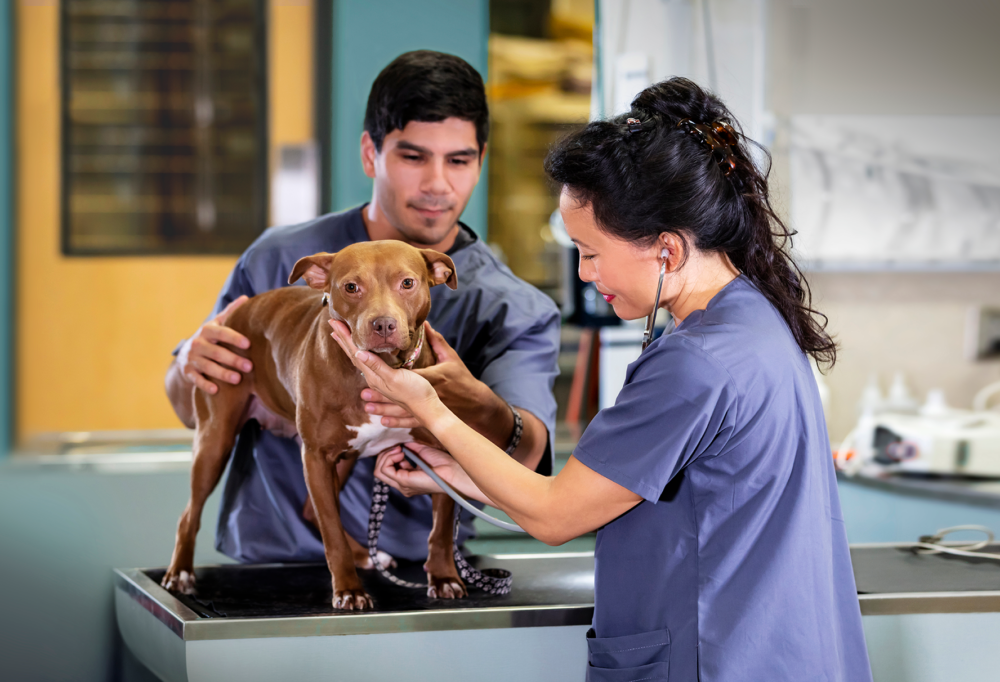
Mentorship within veterinary settings has multifaceted benefits:
- Skill Acceleration: Seasoned mentors provide real-time feedback and practical shortcuts that textbooks cannot.
- Emotional Support: The high-stress nature of animal healthcare can lead to compassion fatigue and burnout. A mentor’s support can buffer these effects.
- Cultural Transmission: Mentors model professionalism, communication standards, and hospital values, ensuring cultural continuity.
- Retention and Satisfaction: Employees who feel supported and connected are more likely to remain long-term and engage fully in their roles.
Pairing new staff with mentors fosters reciprocal growth. Mentors develop leadership and teaching competencies, while mentees gain a sense of inclusion and clarity. Ideally, mentorship is formalized through defined goals, structured check-ins, and institutional recognition to prevent it from becoming inconsistent or burdensome.
The synergy between mentorship and formal training is key to optimizing team dynamics. When both are implemented together, the result is a workforce that is not only clinically competent but also emotionally resilient, communicatively fluent, and aligned in purpose.
- Improved Interdepartmental Collaboration: Training that involves cross-functional scenarios (e.g., integrating reception with technician workflows) improves empathy and understanding among roles.
- Consistency in Patient Care: Unified protocols reinforced by training and role modeling reduce variability in care and improve patient safety.
- Conflict Reduction: Clear expectations and stronger interpersonal connections diminish misunderstandings and friction.
- Leadership Development: Early mentorship cultivates future leaders who internalize the institution’s values and are better prepared to mentor others.
Veterinary hospitals that foster a culture of continuous learning and mutual support experience improved morale and operational efficiency. Additionally, the ripple effect of well-integrated employees extends to client satisfaction and animal well-being, as cohesive teams communicate more clearly and respond more effectively to emergent needs.
Emergency and specialty referral centers, which often operate around the clock, face unique onboarding challenges. The intensity of emergency medicine, rapid decision-making, and complex case presentations demand even more robust training and support systems. In such settings, it is essential to:
- Stagger onboarding to avoid overwhelming new hires.
- Implement shift-specific training to address the unique demands of overnight and weekend teams.
- Assign peer mentors or “unit champions” who are experienced in specific departments or shifts.
Furthermore, diversity in roles—from surgical specialists to kennel assistants—necessitates differentiated mentorship and training strategies that respect educational backgrounds, licensure levels, and learning styles.
When teams are able to fully leverage mentorship and training, they promote institutionalizing excellence. These are strategies to help achieve that goal:
- Develop comprehensive onboarding programs Include interactive modules, hands-on skills labs, and scenario-based assessments.
- Assign formal mentors with clear guidelines Provide mentorship training and ensure time is allocated for mentor-mentee interactions.
- Evaluate and adjust regularly Use surveys, feedback loops, and performance data to refine training content and mentorship effectiveness.
- Celebrate milestones Recognize progress publicly through certificates, badges, or team announcements to reinforce culture and commitment.
- Align with accreditation standards Ensure training programs support AAHA, AVMA, and OSHA compliance, enhancing both safety and accreditation preparedness.
In the ever-evolving landscape of veterinary medicine, success hinges not only on individual expertise but on the strength of the team. Mentorship and formal training are not optional luxuries—they are strategic imperatives that shape organizational culture, elevate care standards, and ensure sustainable growth. By investing in the professional and personal integration of new team members, veterinary practices create a resilient, engaged, and unified workforce that can meet the challenges of modern animal healthcare with competence and compassion.
Gregory Carastro, LVT, is a director on the AAHA Board. He is the hospital administrator and director of human resources at the Veterinary Medical Center of Long Island. He has over 20 years of experience as a licensed Veterinary Technician and Hospital administrator in the Long Island Veterinary Community.
Photo credit: © American Animal Hospital Association
Disclaimer: Trends content is meant to inform, educate, and inspire by providing an array of diverse viewpoints. Any content published should not be viewed as an official stance, position, or endorsement by the American Animal Hospital Association (AAHA) or its Board of Directors.
