Clinical
In Practice
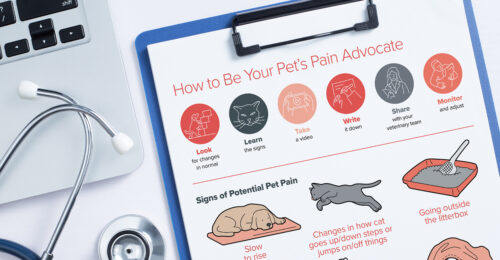
Many signs of potential pet pain are revealed through changes in behavior. Help clients identify signs of pain in their pets with this chart.
Clinical
Many signs of potential pet pain are revealed through changes in behavior. Help clients identify signs of pain in their pets with this chart.

Behavior and Training
Behavior problems have come to the forefront of veterinary medicine, receiving a lot of interest amongst veterinary professionals and owners alike. Whether it is due to owners being more aware of problems or whether veterinary professionals are tackling them earlier, addressing the behavior of the pet is becoming standard of care.

Behavior and Training
Gathering these objective details is critical to evaluating behavior complaints a client may present. Data-collecting technology can act as a veterinarian’s behavioral spy, revealing the pet’s secrets to guide a diagnosis and treatment plan.

Behavior
By now you must have heard the phrase Fear Free or heard of Fear Free certified practices. But what exactly is Fear Free and what does it look like in practice?

Client Communication
Prior to the pandemic, employee development focused primarily on teaching technical skills, like how to operate the latest accounting software or inventory management system. But the pandemic showed us that skills such as communication and innovative thinking are what will enable a practice not only to survive but to thrive, especially in tough times.

Client Communication
In Part 2 of this 2-part article, we’ll explore strategies for calming down dealing with clients whose stress levels are high, who are showing behavior that ranges from anger to outright hostility.

Culture and Wellbeing
Alyssa Mages, BS, CVT, discusses her journey as a resilient veterinary educator, trainer, coach, and entrepreneur. Mages is the chief visionary officer of the company she co-founded, Empowering Veterinary Teams (EVT), where she oversees the content development, clinical skills training, and overall vision of the company.
Behavior
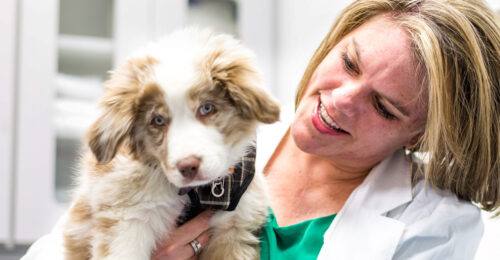
Amy Pike, DVM, DACVB, IAABC-CDBC, graduated from Colorado State University in 2003, and was soon after commissioned as a captain in the US Army Veterinary Corps, where she worked with dogs suffering from PTSD.

This month’s employee of the month prize winner is Amanda Witkowski, CVT, of Berkeley Veterinary Center in Bayville, New Jersey!
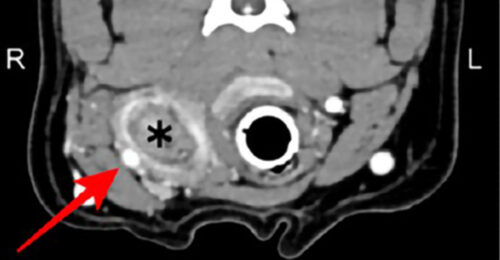
Can a foreign body cause the condition known as sialadenosis, or enlarged salivary glands? New research in the Journal of the American Animal Hospital Association (JAAHA) says yes.
