Common spring pet poisons (and tips for keeping your pets safe)
From Easter baskets to a seasonal urge to do a deep clean on your home, spring can be an exciting time of celebration, renewal, and—thank goodness—longer days of sunshine.
Advertisement
However, at the same time, spring presents the possibility of a number of seasonal toxins that can be extremely harmful to your pet.
The best way to protect your pets from toxins—any time of year—is to prevent them from getting into them in the first place, so we spoke to Renee Schmid, DVM, DABT, DABVT, veterinarian, director of veterinary medicine, and senior veterinary toxicologist at the Pet Poison Helpline. She pointed out the poisons that they receive calls from vets and pet owners about this time of year.
However, before we dive into the specifics, there’s one major point Schmid wants all pet parents to know. “Many pet poisonings aren’t the result of rare or unusual toxins—they’re everyday items that owners don’t realize are dangerous,” she said.
Most poisonings happen at home or in the yard—in other words, they occur in the very places where we, at least theoretically, have the most control over what our pets come into contact with. We just need to know what to watch for and how to keep our pets away from them all.
The other key takeaway from Schmid is that quick recognition of a possible poisoning, along with early veterinary care, saves lives.
“If you think your pet has eaten something toxic, don’t wait for symptoms—contact your veterinarian immediately,” she urged. You can also contact the Pet Poison Helpline or the ASPCA Poison Control. But avoid the “wait and see” approach; by the time a pet starts showing symptoms, treating them will not only be much more involved and costly, but the likelihood of recovery will be greatly reduced.
The following is not a full list of every spring pet poison, but they are some of the toxins Schmid fields calls on most frequently this time of year. You can find an extensive list of poisons here.
Holiday-related dangers
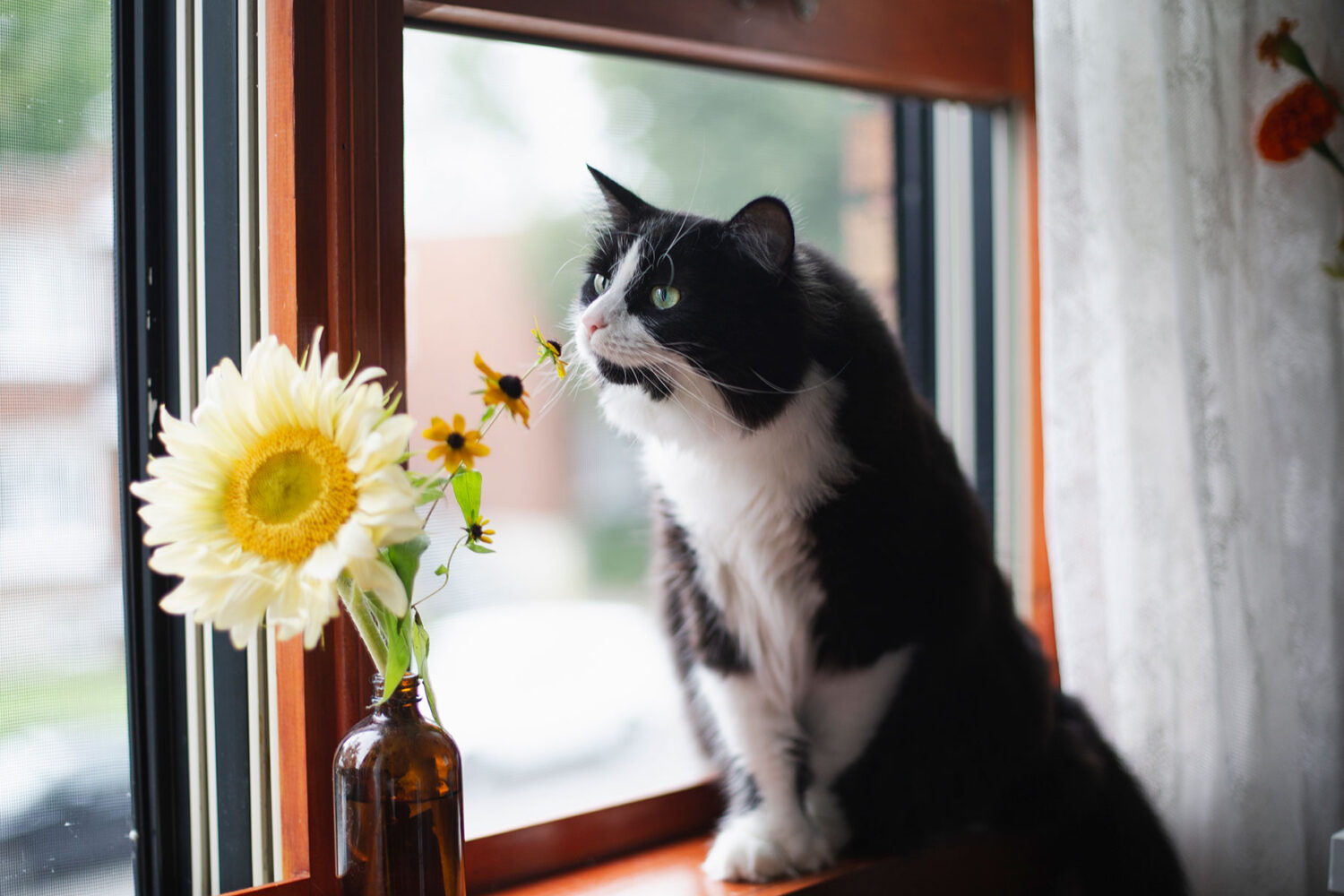
Easter, Mother’s Day, and other springtime holidays often involve floral arrangements. Those bouquets might be beautiful, but some arrangements can be extremely troublesome to pets. Lilies, in particular, are devastating to cats. Even a little contact with the flower’s pollen or a taste of the water in the vase can be fatal.
Lilies (Cats)
“Lily exposure should always be treated as a potential emergency in cats, even if the patient appears clinically normal,” said Schmid.
The following can be signs that your cat has encountered a lily:
Early
- Vomiting
- Lethargy
- Drooling
- Loss of appetite
- Increased thirst and urination
(Learn more about lilies and kitties here.)
Chocolate
Those Easter baskets, fancy chocolates, and baked goods are so delicious—and also, so dangerous if your pets get into them.
If your pet does get into chocolate, symptoms could include
- Agitation and elevated resting heart rate (which is hard for pet parents to see)
- Tremors
- Seizures
Xylitol (artificial sweetener)
Xylitol is found in lots of low-sugar and sugar-free treats, like gum, candy, baked goods, peanut butter, toothpaste, and more. And it poses a real problem for curious canines, Schmid said: “Xylitol exposure can cause dangerously low blood sugar in dogs very quickly.”
A pet who’s gotten into a product with xylitol might show symptoms like:
- Vomiting
- Weakness
- Collapse
- Tremors
Cannabis / THC
Cannabis exposure in pets is increasing, and it’s no laughing matter to toxicologists like Schmid. Regardless of the legality of THC in your area, it’s important you be honest with your veterinarian about whether your pet might have gotten into your gummies.
If you notice any of the following symptoms, it might indicate your pet has been in contact with a cannabis product:
- Loss of muscle coordination, balance
- Urinary incontinence
- Fatigue/lethargy
With all of these products, remember, a determined dog or curious kitty might not be stopped by a high countertop or a plastic bag, so if you have anything with chocolate, xylitol, THC, or anything else that could be harmful to your pets, take extra precautions with how you store and secure them.
Gardens and nature
Spring weather tends to lead to more time outdoors, for ourselves and our pets. And with that in mind, there are a number of things to watch for.
Azalea / rhododendron toxicity
Landscapers and gardeners love to include these beauties, but they’re not a great fit for pets. Even if your pets aren’t going around chewing on live plants, Schmid said, “Ingestion often occurs after pruning or yard cleanup when plant material is accessible.”
Clinical signs can include:
- GI upset
- Weakness
- Heart rhythm changes
A related concern is fertilizer—specifically fertilizers including a product called milorganite, which is made from sewer sludge (ew) and can cause neurologic signs, like loss of coordination.
Fencing off landscaping or garden plants is a wise move, and it’s always a good idea to thoroughly clean up and remove all plant trimmings after a day of yard work.
Household
Spring cleaning feels great, and the end result can even be a wonderful thing for your pets. Who doesn’t love a clean bowl and fresh bed, right?
However, the products used in the process, along with some of the items our cleaning can expose, can pose a serious risk to any pets in the home—even if those products are listed as pet-safe.
Cleaning product exposure
Exposure to a cleaning product doesn’t require your dog to chew through a can of cleaning spray; it can occur much more quickly, in just the blink of an eye. “Cleaning buckets or diluted chemicals left on the floor can quickly become a source of accidental exposure,” said Schmid.
Signs your pet might have gotten into some cleaning products may include:
- Sores in/around the mouth
- Drooling
- Vomiting
Rodenticides
If you put them out at the beginning of winter, come springtime, your rodent baits may become more accessible to pets, especially in places like garages, sheds, and crawlspaces. These products are a problem for both dogs and cats, and the fact that many claim to be pet-resistant can make well-meaning pet parents let down their guard. The trouble is, pet-resistant is not pet-proof.
- Depending on the active ingredient in the rodenticide, symptoms of exposure can include:
- Bleeding issues
- Brain swelling
Ice melt exposure
Maybe you’re still dealing with the final storms of winter, and finding yourself needing to deal with snow and ice accordingly. But use those with caution: Ice melt products like rock salt can be toxic to pets, even if they’re listed as being pet-safe. And this can be especially true when that snow and ice gets melty, slushy, and pets stick their noses into it.
If your pet encounters an ice melt product, you might notice:
- Paw irritation
- GI upset
Your vet might also see some electrolyte imbalances.
Safely storing and leaning up these products as much as possible, and keeping your pets away from areas where these products are is a good first step. Wiping their paws when they come in from the cold will also help to reduce the chance of irritated paws.
Springtime safety tips for pet parents
First and foremost, remember Schmid’s top rule: If you think your pet has eaten something toxic, don’t wait for symptoms—contact your veterinarian immediately.”
Of course, prevention is the best protection. Look around your house and yard and make sure potential toxins are safely out of reach for your pets.
But, if your pet does get into a toxin, the following steps can save their life.
Remove access to the toxin immediately.
Take note of the toxin (or hold onto it) so you can provide as much information about it as possible to a professional.
Call your vet, Pet Poison Helpline, or ASPCA Poison Control to ask about next steps.
If your pet is already showing symptoms, going directly to your vet or an emergency veterinarian is smart. (You can always make a call on the way.) Bring the toxin with you, if you have it.
The wait and see approach might work in some cases, but if you suspect your pet has encountered a poison, taking swift action gives your pet the best chance at recovery. Plus, early intervention is far less costly than a lengthy and involved stint in the ICU.