Preparing your pet for a successful veterinary visit
Veterinary visits are an important part of keeping pets healthy, but for many dogs and cats, they can feel overwhelming or stressful. The good news is that small, simple steps at home—and during and after the visit—can make a big difference. By helping your pet feel more comfortable and confident, you’re supporting their emotional wellbeing and setting them up for a more positive experience at the clinic.
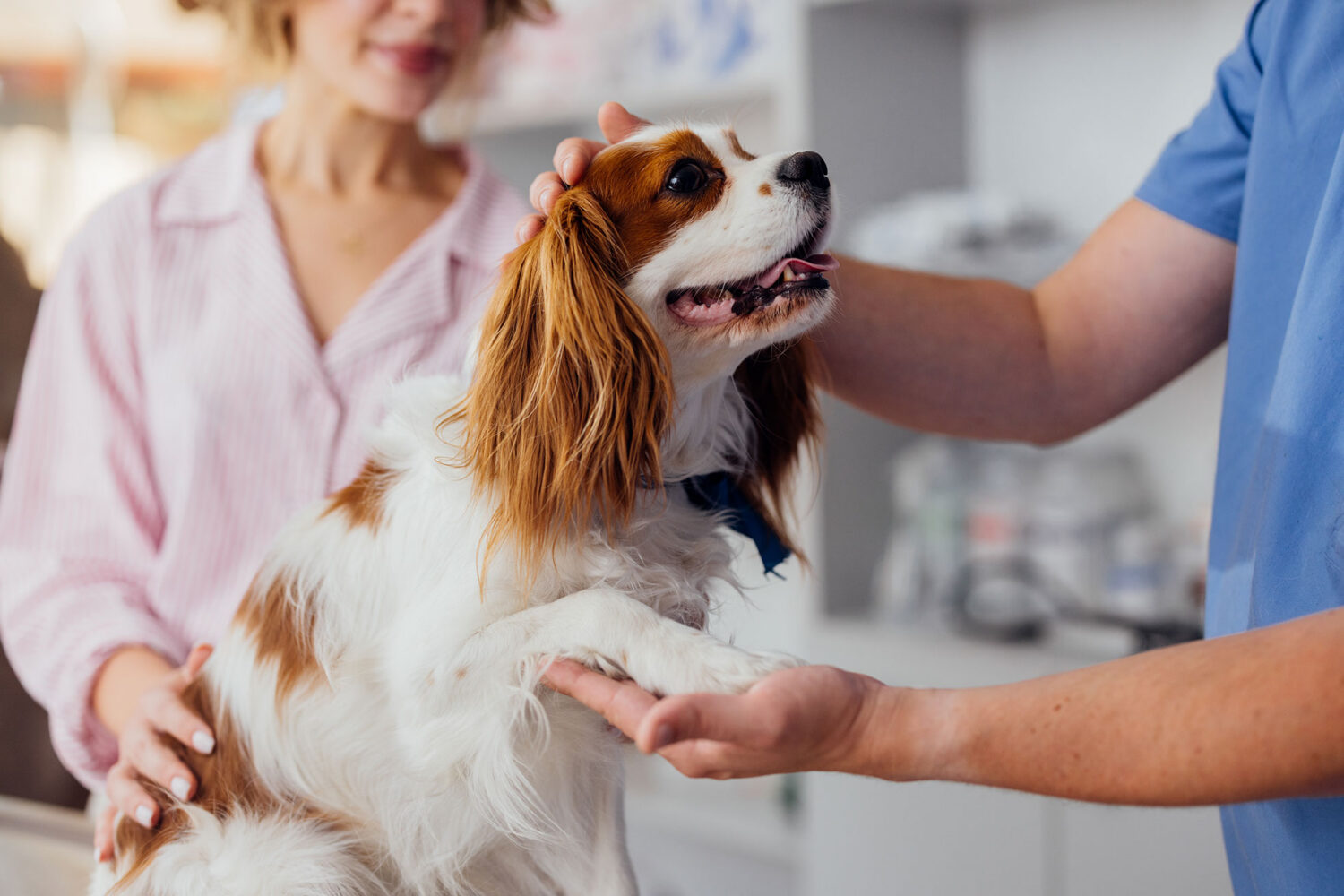
Below are practical, pet-parent–friendly tips you can start using right away. Each section is broken down for dogs and cats, since their needs and stress signals can be very different.
Before the visit: Setting your pet up for success at home
Dogs
- Practice calm handling: Gently touch your dog’s paws, ears, mouth, and body for a few seconds at a time, rewarding with treats or a brief play session. Using a stuffed KONG or a KONG Licks with Easy Treat can provide steady, positive reinforcement during handling and help prepare your dog for routine exams.
- Build positive car experiences: Start with short, happy car rides that don’t always end at the vet. Reward your dog with praise, treats, or a favorite KONG toy.
- Practice basic cues: Simple skills like sit, down, or settling on a mat can help your dog feel more confident in new environments.
- Use enrichment at home: Offering a stuffed KONG can help reduce stress and build positive associations with quiet time and relaxation. Treat-dispensing toys, such as the KONG Wobbler, also provide valuable mental and physical enrichment.
Cats
- Leave the carrier out all the time: Make the carrier part of everyday life instead of something that only appears before vet visits.
- Feed in the carrier: Place meals, treats, or enrichment inside the carrier so your cat chooses to go in on their own.
- Add comfort cues: Keep soft bedding and familiar scents inside the carrier to make it feel safe and predictable.
- Practice gentle handling: Briefly and calmly touch your cat’s paws, ears, and body for a few seconds at a time, rewarding with treats or a short play session—whichever your cat finds most reinforcing. Offering a stuffed Kitty KONG or using a Kong Licks with KONG Salmon Mousse can provide positive reinforcement during handling while keeping sessions short and positive.
- Practice short trips: Once your cat is comfortable, take brief car rides followed by a calm return home, incorporate positive reinforcement such as treats or affection—no vet visit required.
With a little preparation at home, you can help your pet feel more supported and confident once they arrive at the clinic.
During the Visit: Supporting Your Pet at the Veterinary Clinic
Dogs
- Bring high-value treats: Soft, smelly treats or a stuffed KONG can help keep your dog focused and relaxed during exams.
- Pack a favorite item: A familiar toy or chew can provide comfort while waiting.
- Stay calm and upbeat: Dogs are very sensitive to their pet parent’s emotions. Calm, positive energy can help your dog feel safer.
- Ask about “happy visits”: If available, short visits to the clinic just for treats and praise can help build positive associations.
Cats
- Keep the carrier covered: A light towel over the carrier can reduce visual stimulation and help your cat feel more secure.
- Limit handling when possible: Allow your cat to stay in the carrier until needed, and let the veterinary team guide handling.
- Use treats strategically: Some cats enjoy licking soft treats during exams, a stuffed Kitty KONG or KONG Licks are great option that can help distract and calm them.
- Advocate for your cat: Share what helps your cat feel most comfortable, such as preferred handling or minimal restraint.
After the Visit: Recovery and Continued Training at Home
Dogs
- Create a quiet recovery space: Set up a calm area with a comfortable bed where your dog can decompress.
- Offer calming enrichment: A stuffed KONG can encourage relaxation and provide a positive outlet after a busy day.
- Keep training light and positive: Short, fun sessions help maintain confidence without overwhelming your dog.
- Practice gentle handling: Continue short, positive handling sessions at home to reinforce that touch can be calm and rewarding.
Cats
- Provide a calm retreat: Give your cat access to a quiet room or favorite hiding spot to recover at their own pace.
- Watch for stress signals: It’s normal for cats to need extra time to settle after a visit—allow space and choice.
- Offer enrichment: Food puzzles, a stuffed Kitty KONG or other appropriate KONG toys for cats that encourage calm engagement.
- Practice gentle handling: Continue short, positive handling sessions at home to reinforce that touch can be calm and rewarding.
- Maintain positive carrier experiences: Continue leaving the carrier out and offering meals or treats inside so it remains a familiar, safe place for your cat
When Extra Support Is Needed
If your dog or cat shows intense fear or anxiety around veterinary visits—such as freezing, vocalizing, attempting to escape, or becoming aggressive—it’s important to talk with your veterinarian. In some cases, they may recommend short-term calming medications or supplements to use before appointments. When paired with positive handling, enrichment, and gradual exposure, these tools can help reduce fear and allow your pet to form more positive associations with the clinic over time.
A Little Preparation Goes a Long Way
Preparing your pet for veterinary visits doesn’t require advanced training or special equipment—just consistency, patience, and positive experiences. By practicing these simple steps before, during, and after appointments, you’re helping your pet feel safer and more confident while strengthening your bond along the way.
A calm, comfortable pet makes veterinary visits easier for everyone—and helps ensure your pet gets the care they need for a long, healthy life.
Sponsored by:
