Culture and People
5 questions for a de-extinction specialist
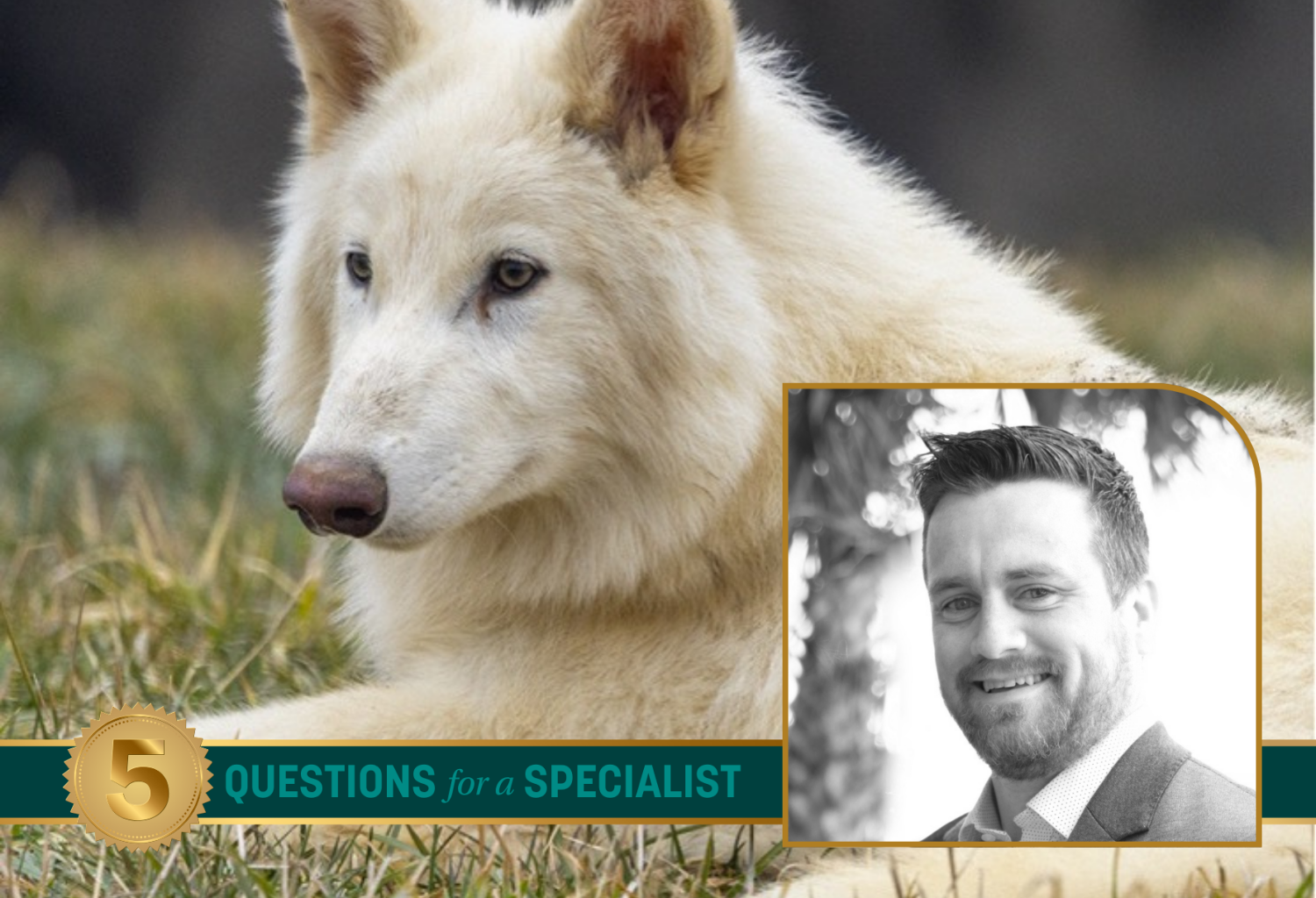
By now, most people have heard of the “de-extinction” of the dire wolf, as claimed by Colossal Laboratories and Biosciences. But what did they really create? For this installment of “5 Questions for a Specialist,” we checked in with a “De-Extinction Specialist,” namely Colossal’s Chief Animal Officer, Matt James.
Advertisement
We strayed from the usual 5 Questions this time, since the interview subject is not a typical expert, in that he is not a boarded veterinary specialist. Colossal Laboratories and Biosciences Chief Animal Officer Matt James is in charge of the health, safety and wellbeing of Colossal’s animals. He previously worked as Senior Director of Animal Care for the Dallas Zoo and Zoo Miami. James has a Bachelor of Science degree in Biology and Chemistry from Doane University, and an MBA from the Muma College of Business at the University of South Florida.
1. What are the key physiological differences we can expect to see from this animal as it grows, as compared to a modern wolf?
The fossil record doesn’t provide many details on the physiology of the dire wolf, however, we can estimate that they didn’t have significant differences from gray wolves based on the similarities between the entire clade of closely related canids. However, we know the anatomical similarities and differences between dire wolves and modern gray wolves. The dire wolf was about 25% larger than the gray wolf, had a larger, more robust jaw structure, and a thicker, longer coat. We expect our dire wolves to continue to grow at a similar rate to modern wolves but are consistently trending about 20-30% above the data we have for average gray wolf development.
2. Do these animals meet the criteria for a separate species, distinct from the grey wolf whose DNA was edited to create them?
We have created animals with the phenotypic characteristics of a dire wolf which aligns with the definition of de-extinction in the 2016 report by the International Union for Conservation of Nature Species Survival Commission’s “Guiding Principles on Creating Proxies of Extinct Species for Conservation Benefit.”
We are following this definition when we call our dire wolves “dire wolves,” but we acknowledge that others will prefer to call them “proxy dire wolves,” or “Colossal’s dire wolves,” or “animals with dire wolf DNA that have the phenotypic characteristics of dire wolves.”
Biologists have long argued about what makes a species (there was even a recent publication about this in the journal PNAS). Species concepts are classification systems designed by people, and classification systems are all adaptable to a particular purpose. As our purpose is to refer to a de-extinct species, it’s not surprising that there is confusion. However, we are using the terminology proposed by an international team of scientists tasked to consider this precise purpose.
3. If other drastically different animals such as a mammoth are resurrected, how would the veterinary team prepare for that?
Our husbandry and veterinary teams have significant experience from zoo and exotic animal care and medicine. During the initial stage of launching new species projects we begin by putting together feasibility studies that include the development of animal care and management guidelines. We work from our base of knowledge working with closely related species (such as the Asian elephant), begin to build foundational strategies and then specialize our approach based on known differences.
In the case of the mammoth, we would have obvious differences in caloric needs based on their fat metabolism and cold tolerance and we would need to change our acceptable temperature ranges but still be highly concerned about diseases such as elephant endotheliotropic herpesvirus.
4. What are some of the challenges from a veterinary point of view with bringing back extinct creatures, or at least a version of them?
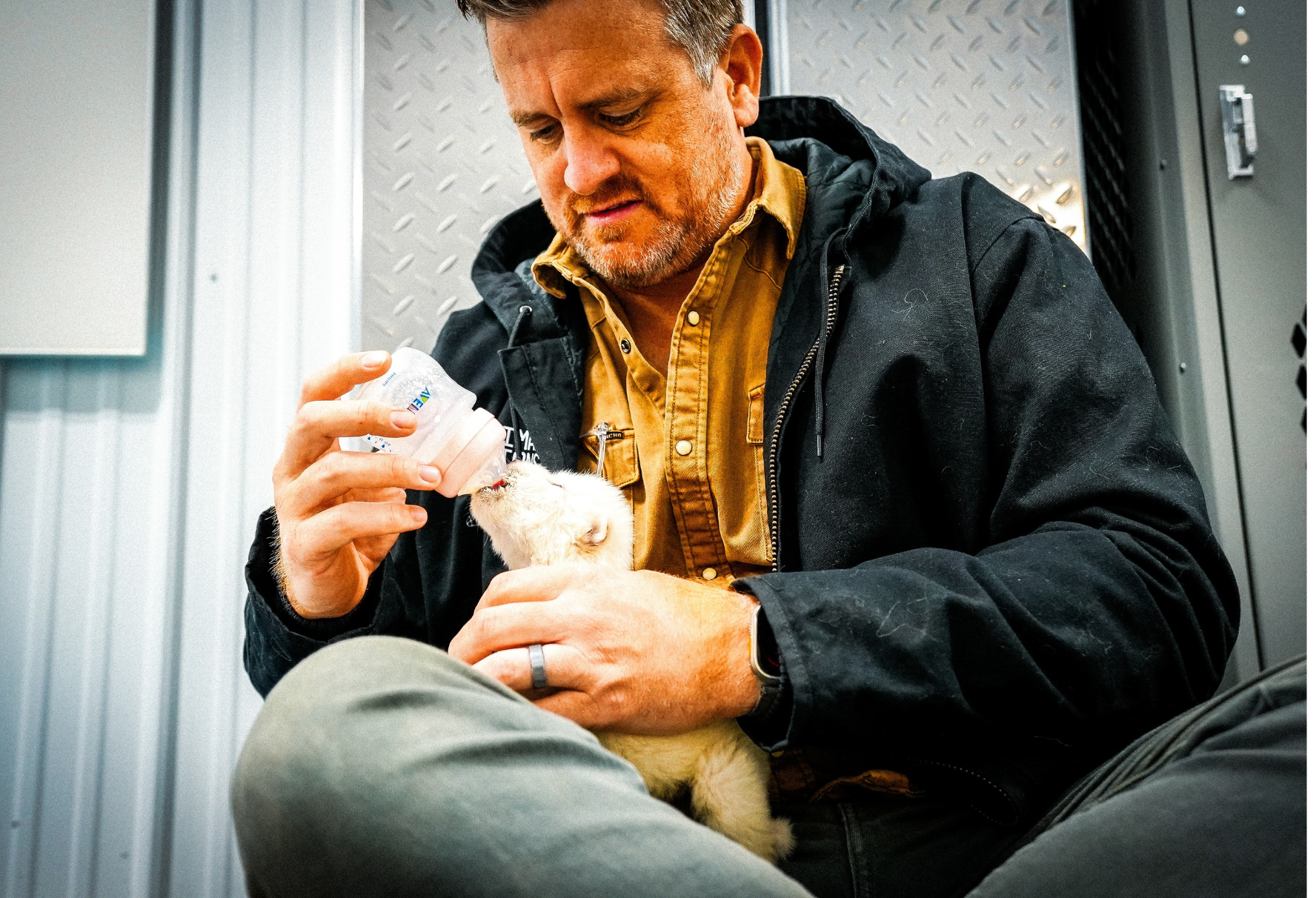
The biggest challenges are in working in the unknowns and the yet-to-be-discovered. Zoo medicine has built a great foundation of knowledge and history that we can work and extrapolate from but when we have a species that no modern human has ever seen, let alone treated, there are sure to be surprises ahead. Additionally, we are working with genetically edited animals and, despite thorough quality control steps and stepwise progress to more complex editing, we are continuing to work on the cutting edge of synthetic biology, so it is extremely vital that we remain hyper focused on potential unforeseen effects of editing.
5. Does the process of DNA substitution introduce health risks for individual animals?
Gene editing can lead to off-target effects and introducing new genes can have unexpected results on the new genetic background of a closely living relative, however, we go to great strides to ensure the welfare of our animals and minimize variables. In order to do that we have several in vitro assays we can perform such as karyotyping and whole genome sequencing to confirm there are no off-target effects. We closely monitor and compare embryonic and fetal development against known and expected milestones in case there is ever a need for intervention.
BONUS QUESTION: What message does this send to the world, in terms of fighting for endangered species that are still alive naturally?
Conventional conservation has made amazing strides in ensuring that thousands of species and their habitats have not vanished, however, it has been unable to be able to keep up with the pace at which humanity is destroying nature. Conventional conservation will continue to win battles in the fight against biodiversity loss but to win the war we need to create opportunities for us to begin to reverse the tide and begin to restore what has been lost. De-extinction is a reason for hope. Hope to reverse the tide of biodiversity loss. Hope to inspire habitat restoration efforts and conventional conservation in order to have a home for extinct and endangered species to return to.
Photo credit: © All photos courtesy of Colossal Laboratories
Disclaimer: Trends content is meant to inform, educate, and inspire by providing an array of diverse viewpoints. Any content published should not be viewed as an official stance, position, or endorsement by the American Animal Hospital Association (AAHA) or its Board of Directors.
