Culture and People
Celebrating National Cat Day 2025
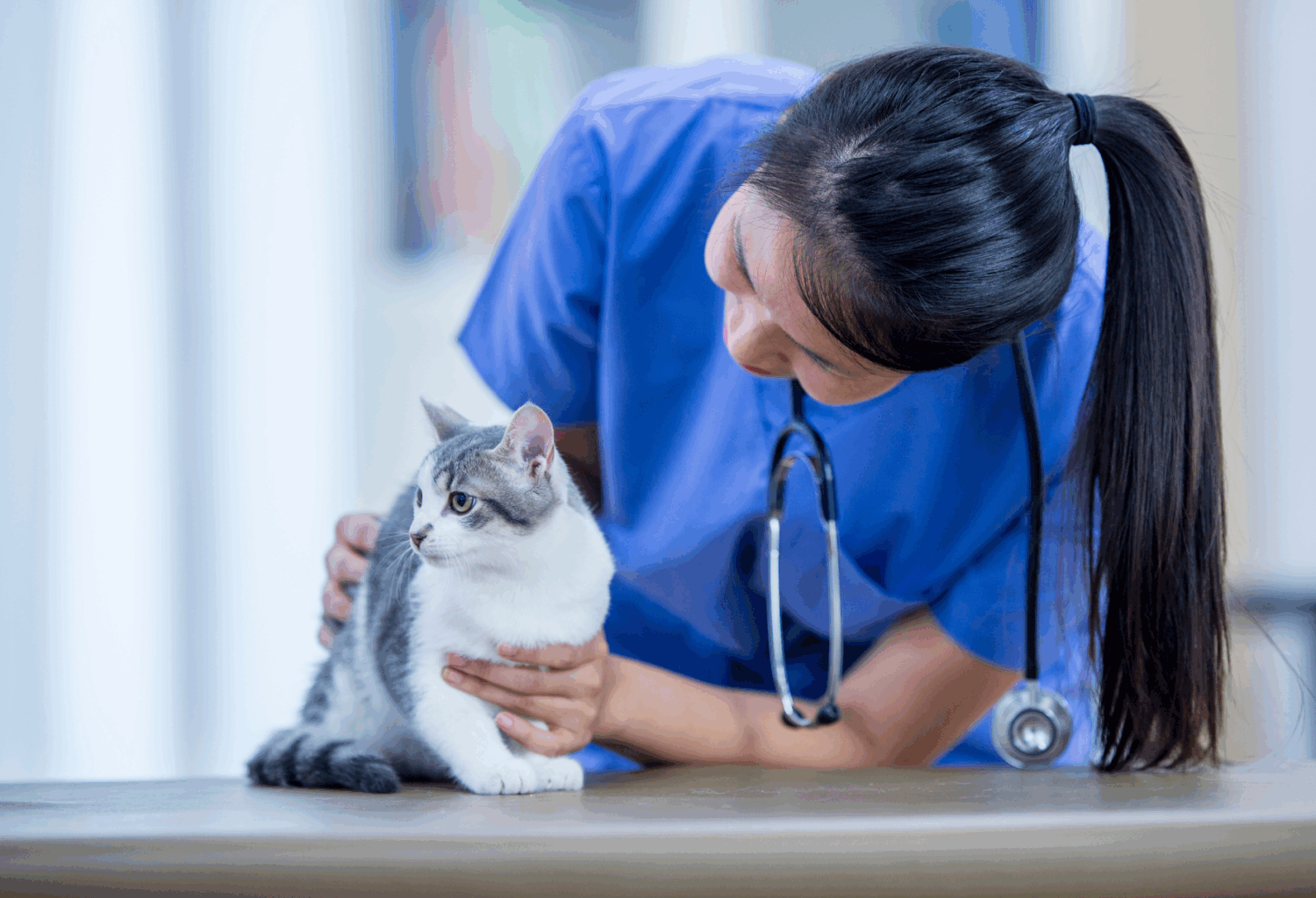
Looking for a way to celebrate National Cat Day? We’ve got statistics on families with cats, tips for making your practice more cat-friendly, and resources to ensure your team is ready to keep kitties, and their families, purr-fectly happy.
While your feline friends might be convinced that every day is a celebration of all things cat, today is the official National Cat Day. And that’s the purr-fect excuse to share a few fun facts about the current state of the cat—as well as some solid resources for ensuring you’re practicing feline-friendly medicine with your kitty cat clients.
The state of the cat
Is pet parenting going to the cats? It’s looking that way, based on the American Pet Products Association 2025 Dog & Cat Report released earlier this summer, which showed a 23% increase in cat ownership, along with more multi-cat home and an increased interest in strengthening the human-feline bond.
And according to the AVMA Pet Ownership and Demographics Sourcebook (which is based on nationwide surveys conducted in 2023-2025), the U.S. cat population is on the rise, hitting 76.3 this year (compared to 73.8 million in 2024; if you go all the way back to 1996, that number drops to 59.8 million).
Before you dismiss that increase as simply part of a growing pet population, it’s important to note that the gap between dogs and cats is narrowing. The proportion of families bringing home a dog has dropped nearly 3% over the last two years, while the proportion of those introducing kitties to their families has risen about 4%. (The acquisition of other pets, including horses, fish, and pocket pets, dropped about 2% during this time.)
More cats in loving homes may not have a direct correlation to more cats in your clinic, however. The data in the AVMA Sourcebook found that 28% of cat parents said they hadn’t spent any money on veterinary care in the past year. The main reason (at 38.6%) was because their pet had not gotten sick or injured, but the second most cited reason (at 16.4%) was that the cost of veterinary care was too high.
The 2025 Hill’s Pet Nutrition World of the Cat Report, released in March 2025, backs this data up. The report showed that approximately one-third of cat owners had reduced their spending on veterinary care and that 15% hadn’t been to the vet in the last 12 months (although they may have spent money on veterinary-related products, like prescription food or medication). The top two reasons for this situation matched the AVMA’s findings but noted a third reason as well: Veterinary visits were too stressful for the cat.
Calling all cats
If you want to see more cats in your clinic, creating a truly feline-friendly practice—and making sure the families in your community know that you cater to kitties—is crucial. According to the Hill’s report, the Feline VMA had 880 Cat Friendly Practices (and another 355 on the way) at the end of 2023, and those cat-friendly designations had quite the impact. A 2023 study comparing cat-friendly practices to control practices (that did not have a cat-friendly designation) showed that the cat-friendly practices reported a higher revenue per visit, higher annual mean visits per cat, and more diagnoses of common conditions. Improved client retention, along with more frequent visits per cat, led to a revenue increase of 81% for some clinics.
Cat-focused guidelines
Keeping up on all things cat is a little easier when you’ve got cat-specific guidelines on hand.
Wondering how to cat-ify your practice in a way that will bring in more feline patients? Think about what you can address that will make a positive impact on their experience, then make sure to communicate the steps you’re taking to cat owners in your community.
Start with the entryway. Can you create a cat-only space, or provide a way for families with stressed-out kitties to go straight to the exam room, avoiding barking dogs?
In the exam room, utilizing pheromone diffusers and a variety of crunchy and lickable treats can help to win over even skittish kitties. You might also want to add some non-slip surfaces where they can climb and spaces where they can hide (without becoming unreachable, of course). Toys, a litterbox, window perches—if it’s something a cat might enjoy at home and you can include it in your cat-only exam rooms, go for it!
None of that will make a difference, though, if any members of the team think of—or treat—cats like small dogs. Their quirkiness is part of what makes cats so darn delightful, and, from a medical standpoint, we know that cats are unique. From behavior to vaccines to anesthesia and beyond, there are countless instances where providing cat-friendly care requires a thorough understanding of what cats need, and team training opportunities should reflect that. Even if you don’t opt for any specific certifications or accreditations around your feline focus, ensuring the staff has access to cat-specific CE will go a long way.
Once you’ve created an environment your feline patients (and their families) will fawn over, spread the word! Make sure to show cats on your practice’s website and social media accounts. Request permission to share photos and testimonials from your cat-loving clients. You might even choose to hold a Cat Ladies’ (and Gentlemen’s) Night where cat families can tour your hospital. Or you could set up a booth at community events so you can get your name out to more local cat lovers.
And remember, you don’t have to be cat-only to be cat-friendly. You can diligently care for your canine patients while still giving the cats in your clinic the special attention they deserve … assuming, of course, they allow it.
Further reading
- Creating a cat-friendly clinic (Trends)
- What to know about the 2024 Feline VMA Intercat Tension Guidelines (Trends)
- Utilizing your techs to become more cat-friendly (Trends)
- The cat-only practice (Trends)
- 2021 AAHA/AAFP Feline Life Stage Guidelines
- 2020 AAHA/AAFP Feline Vaccination Guidelines
- 2023 AAHA Selected Endocrinopathies of Dogs and Cats Guidelines
Photo credit: FatCamera/E+ via Getty Images
Disclaimer: Trends™ content is meant to inform, educate, and inspire by providing an array of diverse viewpoints. Any content published should not be viewed as an official stance, position, or endorsement by the American Animal Hospital Association (AAHA) or its Board of Directors.
