Client Communication
From xylitol to THC: Top ten reasons dog owners called this poison helpline
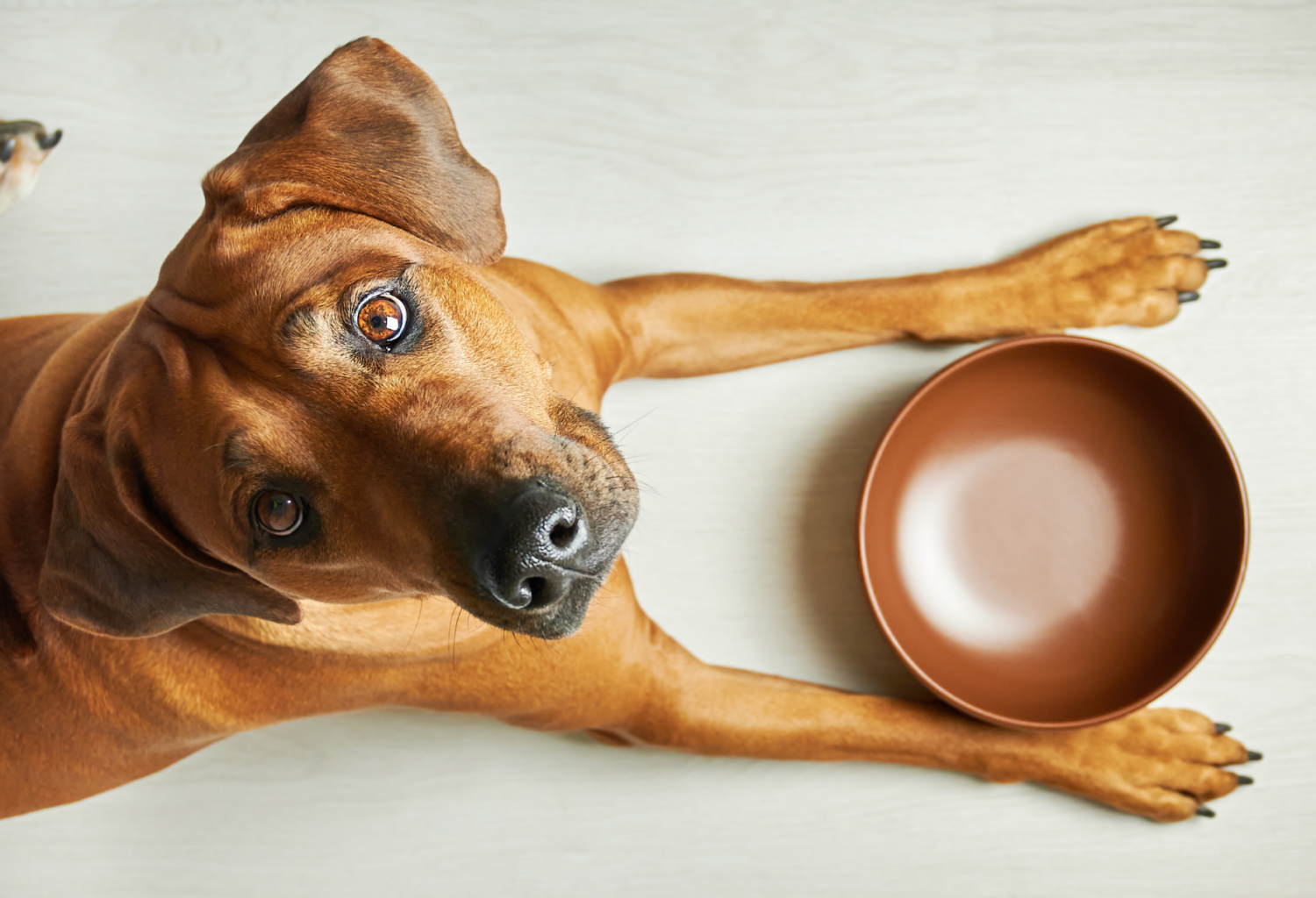
Curious to know the top 10 things that dog owners called the Pet Poison Helpline about in 2024? From xylitol to THC, the list highlights the most common things dog owners call with worries about.
Advertisement
If your pet or a pet you’re caring for ingested a substance and you’re unsure if it’s toxic (e.g. if your pet ate a household plant and you’re unsure of its safety), call your veterinarian or an organization like the Pet Poison Helpline immediately to get your questions answered.
If you’re a dog owner, you probably know two things for sure: one, they are loving companions who are incredibly loyal, and two, they will try to eat just about anything, regardless of whether it’s edible. Workers at the Pet Poison Helpline understand this firsthand. Every year they field calls from concerned pet parents wondering if what their pet just ate requires an emergency trip to their local vet or not.
Last month, we highlighted the top reasons people called about cats, but what about dogs?
Top 10 calls for dogs
Renee Schmid, DVM, DABT, DABVT, the Director of Veterinary Medicine and Senior Veterinary Toxicologist for the Pet Poison Helpline says that chocolate always dominates the calls, and it rings true again being number one for 2024. 16% of all their calls involved someone calling about their pet’s chocolate ingestion.
“And then marijuana has always stayed up high,” Schmid said. “And it came into the top ten about three years ago. So, it’s been interesting to see that it’s continued to kind of increase and slowly creep up in frequency for the top ten as well.”
Here are the top calls for dogs:
- Chocolate
- Grapes/Raisins
- Bromethalin
- Xylitol
- Ibuprofen
- Marijuana (THC)
- Anticoagulant Rodenticides
- Vitamin D3
- Carprofen
- Onions/Chives/Leeks/Shallots (Allium species)
Continuing xylitol awareness
While xylitol ranks at number five for dogs, that’s actually a good sign, according to Schmid.
“Xylitol has been number four for many years, and it’s actually dropped down to number five,” she added. “Doesn’t seem like a big deal, but we kind of hope that it’s maybe something where people are recognizing the importance of keeping pets away from xylitol.”
There’s been an increased focus on letting pet owners know the dangers of xylitol, she noted. The sugar substitute can cause liver failure in dogs and can be found in anything from puddings to peanut butters. And artificially-sweetened peanut butter is where Schmid notes they do see some concerns.
“Certain peanut butters, not usually the mainstream peanut butters, is where we get really concerned with dogs… When people give their medications or treats with peanut butter,” she added. “So always just look at the back label to make sure you don’t see something that contains xylitol. Xylitol starts with an “x”, so I always like to say, ‘look for the x–y–l!’ Don’t look for a “z” or you’ll miss it.”
Our “My Pet Ate” series is done in collaboration with the Pet Poison Helpline. You can learn more about the services they offer on their website or by calling (855) 764-7661.
Photo credit: © Zontica via iStock / Getty Images Plus
Disclaimer: Trends content is meant to inform, educate, and inspire by providing an array of diverse viewpoints. Any content published should not be viewed as an official stance, position, or endorsement by the American Animal Hospital Association (AAHA) or its Board of Directors.
