Clinical
H5N1 updates and how to stay safe in your practice
AAHA will be hosting an upcoming webinar and sharing bimonthly updates about the H5N1 outbreak. Let us know what information is most helpful to include for your daily work in practice by filling out this form.
Advertisement
Health officials are monitoring an unprecedented outbreak of Highly Pathogenic Avian Influenza (HPAI) H5N1. This dynamic virus has reached extraordinary levels, spilling over into new hosts and causing devastating impacts. Once considered primarily a disease of poultry, HPAI H5N1 infections have been confirmed in cattle, pigs, new wildlife species, cats, and people.
You and your team are on the front lines of this response effort, playing a crucial role in surveillance, case management, and risk communication. With rising case numbers and recent reports of evidence of recent infection with HPAI A(H5) virus in veterinary practitioners we must remain vigilant and proactive in addressing this evolving threat.
CDC recommendations
The CDC is recommending veterinary practitioners wear PPE when seeing cats with respiratory or neurologic signs in the 20 February 2024 MMWR. This report described two cats with clinical signs of and who tested positive for HPAI H5N1 with no known direct exposure to HPAI H5N1 infected farms but with potential indirect exposure via their owners who were dairy workers.
The piece also highlighted the importance of removing potentially H5N1 contaminated clothing prior to re-entering a household environment due to fomite risks. The authors also noted that while cat-to-human transmission has not been documented yet in this outbreak, suspected cat-to-human transmission of a low pathogenic H7N2 influenza virus in an animal shelter in 2016 suggests that contact with feline H5N1 cases could present a potential transmission risk to humans.
What can you do?
Strengthen surveillance and early detection
- Remain vigilant for clinical signs of H5N1 in domestic animals, particularly cats, dogs, livestock–including backyard chickens, and wildlife patients.
- Report suspected cases promptly to state animal health officials.
- Encourage testing in high-risk settings, including farms, wildlife rehabilitation organizations, and households with sick animals that may have had contact with infected wildlife.
Enhance biosecurity measures
- Advise clients on reducing exposure risks, including keeping cats indoors (away from livestock, poultry, and their environments and from sick or dead birds); preventing pets from scavenging wild bird carcasses and eating unpasteurized dairy products and uncooked meat-based foods and treats (including commercial raw and freeze-dried raw pet foods); implementing biosecurity protocols for backyard chickens; and washing hands and changing clothing (including footwear) after handling livestock, poultry, wild birds, and bird feeders. If cats can’t be kept indoors, considering use of bells on collars or removal of bird feeders may help in reduction of possible exposure.
- Develop practice protocols for managing suspected cases, including isolation procedures, diagnostic testing, and official reporting to state authorities.
- Use appropriate PPE when handling sick or deceased animals suspected of H5N1 infection or cats who may have been exposed to H5N1 to reduce the likelihood of human and animal exposure. The Centers for Disease Prevention and Control (CDC) provides guidance on PPE, including coveralls/ gowns, N-95 masks, goggles/face shields, boots or boot covers, a head covering, and gloves. Bring extra scrubs or clothes to work to change into after possible contamination to reduce risk of bringing home fomites.
- The CDC also recommends that that veterinary professionals obtain occupational information from members of the household with animals suspected of H5N1 infection to help prevent unprotected exposures and inform public health investigations of potential animal-to-human transmission of HPAI A(H5N1) virus.
Educate and communicate risks
- Provide science-based guidance to clients about the risks of H5N1 transmission in pets, livestock, and wildlife.
- Understand who is at risk by keeping updated on information from the CDC and other public health agency sources. According to the CDC, individuals who work closely with domestic or wild animals (farmers or backyard poultry owners, veterinarians and animal care workers, and animal health responders) are at increased risk. Human health care providers are also at increased risk due to their contact with infected people.
- Counter misinformation by sharing verified information from trusted sources such as the CDC, U.S. Department of Agriculture (USDA), and U.S. Geologic Survey (USGS).
Coordinate with public health and wildlife experts
- Develop regular communication with local, state, and federal agencies to facilitate data sharing and coordinated response efforts.
- Engage with One Health networks to facilitate a comprehensive approach to surveillance and outbreak management
Situational Update:
| Species impacted: | Cases: | Where: | How is it transmitted/spread?* | What to look for: |
|---|---|---|---|---|
| Domestic cats | > 88 in U.S. since 2022 | 18 states: CA, CO, ID, IO, KS, LA, MI, MN, MO, NE, NM, OH, OK, OR, SD, TX, UT, WY | •Eating infected birds & rodents
•Eating raw meat or poultry products/ commercial pet food or unpasteurized milk •Contact with infected cattle/poultry and their contaminated environments •Contact with infected people or contaminated clothing |
•Anorexia
•Lethargy •Fever •Oculonasal discharge •Difficulty breathing •Neurologic signs (ataxia, circling, tremors, seizures, blindness). •Can be rapidly fatal (up to 70% of infected cats die of their infections); however, serosurveys have reported antibodies to H5 viruses in ~12% of apparently healthy stray cats |
| Dogs (companion) | 0 in U.S. | Thailand, Canada
Washington study detected H5 and N1 antibodies in 2% of hunting dogs Thailand serosurvey found antibodies in 25% of stray dogs |
•Eating infected birds | •Rare, mild disease to fatal infections
•Anorexia •Fever •Conjunctivitis •Cough •Difficulty breathing |
| Poultry (includes backyard chickens and ducks) | > 160 million in U.S. since 2022 | 50 states & Puerto Rico (commercial and backyard flocks and live bird markets) | •Contact with infected poultry or wild birds
•Contact with contaminated equipment •Contact with infected people or contaminated clothing •Poultry trade promotes spread |
•Acute mortality
•Respiratory signs (sneezing, coughing, oculonasal discharge) •Edema of the face and cyanosis of combs and wattles •Diarrhea •Skin hemorrhages •Decrease in egg production •Neurological signs (tremors, stargazing, paralyzed wings) |
| Cattle | > 970 herds since first detection in 2024 | 17 states: AZ, CA, CO, ID, IO, KS, MI, MN, OH, OK, NV, NM, NC, SD, UT, TX, WY | •Contact with infected animals
•Contact with contaminated milking equipment and clothing (large amounts of virus shed in the milk) •Exposure to infected wild birds (Nevada and Arizona)** |
•Many subclinical or mild infections (unlike poultry) making detection difficult
•Thickened, abnormal milk •Loss of appetite •Lethargy •Low-grade fever •Mild respiratory signs •Diarrhea (less common) |
| Wildlife | > 500 species globally (485 avian and 48 mammalian species)
U.S. wildlife cases are reported by the USDA and U.S. Geological Survey |
50 states | •Consumption of sick prey (mammals and birds)
•Direct transmission & contact with contaminated environments (including virus in water) for wild avian flocks •Rare reports of transmission between wild mammals |
Clinical signs in sick wildlife are variable, but generally include neurologic and respiratory signs.
Sick wild birds can have: •Eye swelling •Change in color of iris •Respiratory signs (sneezing, coughing, oculonasal discharge) •Gastrointestinal signs (diarrhea) •Neurologic signs (tremors/seizures) The most common clinical signs in sick wild mammals are: •Neurologic signs (tremors/seizures and ataxia) •Respiratory signs (nasal and ocular discharge and dyspnea) |
| People | 70 cases in the U.S. in the past year | 13 states: CA, CO, IO, LA, MI, MO, NV, OH, OR, TX, WA, WI, WY | •No sustained human-human transmission
•Contact with sick cattle & poultry •One North American fatality had genotype primarily found in wild birds •CDC study detected H5N1 antibodies in 2% (3/150) of bovine veterinary practitioners |
•Conjunctivitis
•Fever •Cough •Sore throat •Runny or stuffy nose •Muscle aches •Fatigue •Shortness of breath or difficulty breathing •GI signs (diarrhea, nausea, vomiting - less common) •Seizures (less common) |
* Information on modes of transmission are suspected or verified based on reported evidence for each species. In general, avian influenza viruses can be transmitted through direct contact, indirect contact (e.g., contaminated surfaces), and inhalation.
**The HPAI virus initially detected in dairy cattle, H5N1 clade 2.3.4.4b genotype B3.13, was the only strain known to infect dairy cattle. However, in early 2025, two spillover events involving a different genotype circulating in migratory birds, D1.1, occurred in dairy cattle in Nevada and Arizona. Ongoing new introductions will complicate efforts to control the virus in dairy cattle, underscoring the importance of robust surveillance and prevention measures.
View all the links used in the above table here.
Further reading:
APHIS/USDA Avian Influenza Detections in Poultry
APHIS/USDA Avian Influenza Detections in Wild Birds
APHIS/USDA Information on Biosecurity for Backyard Flock Owners
APHIS/USDA Protecting Captive Wild Birds From Highly Pathogenic Avian Influenza
CDC Summary of Avian Influenza
CDC Information for Workers Exposed to H5N1 Bird Flu
USGS Avian Influenza in Wildlife
USGS Avian Influenza Surveillance in Wildlife
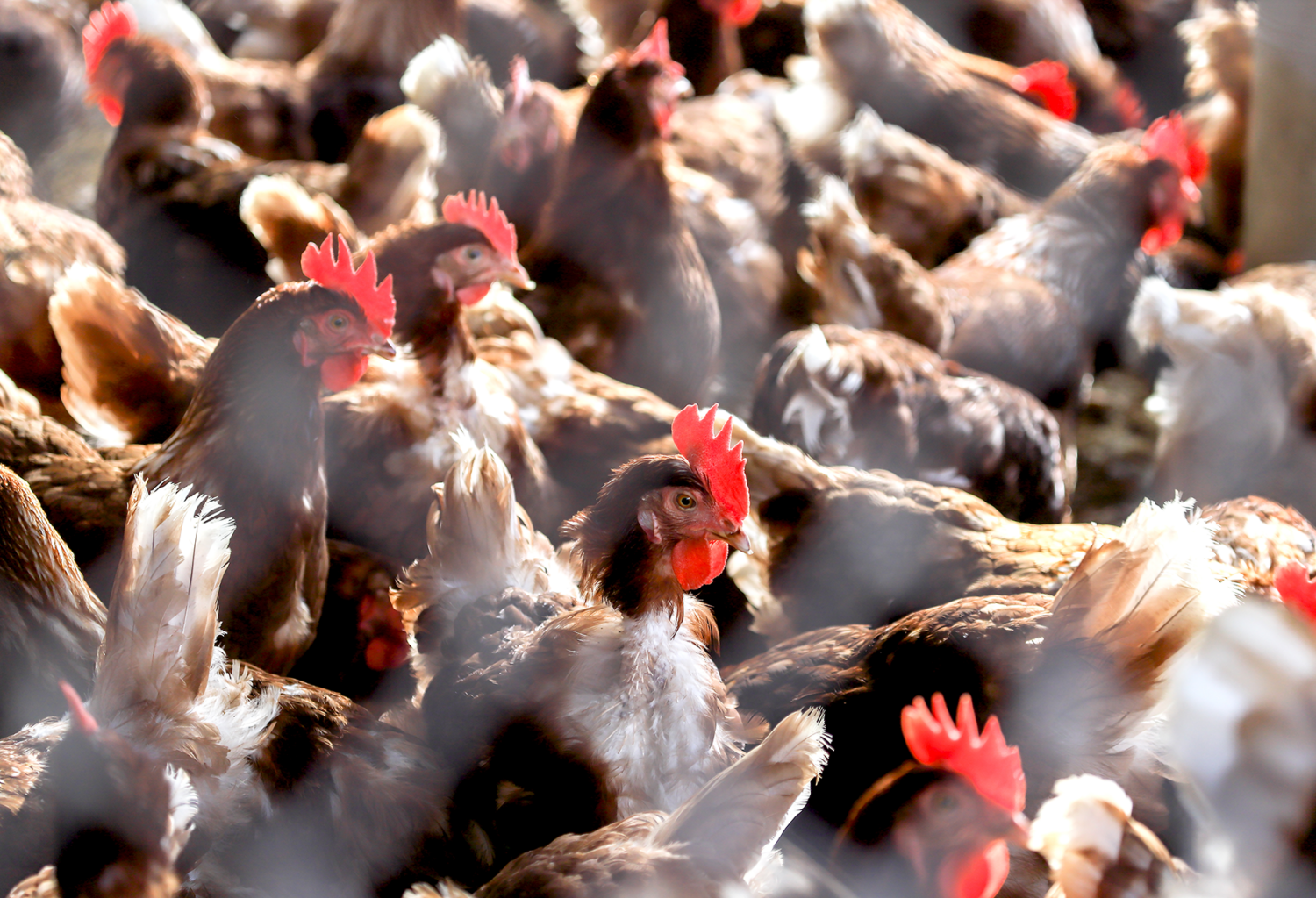
Photo credit: Gins Wang via Getty Images/E+
Disclaimer: Trends content is meant to inform, educate, and inspire by providing an array of diverse viewpoints. Any content published should not be viewed as an official stance, position, or endorsement by the American Animal Hospital Association (AAHA) or its Board of Directors.
