Culture and People
HAB-py tails: Understanding nuanced bonds
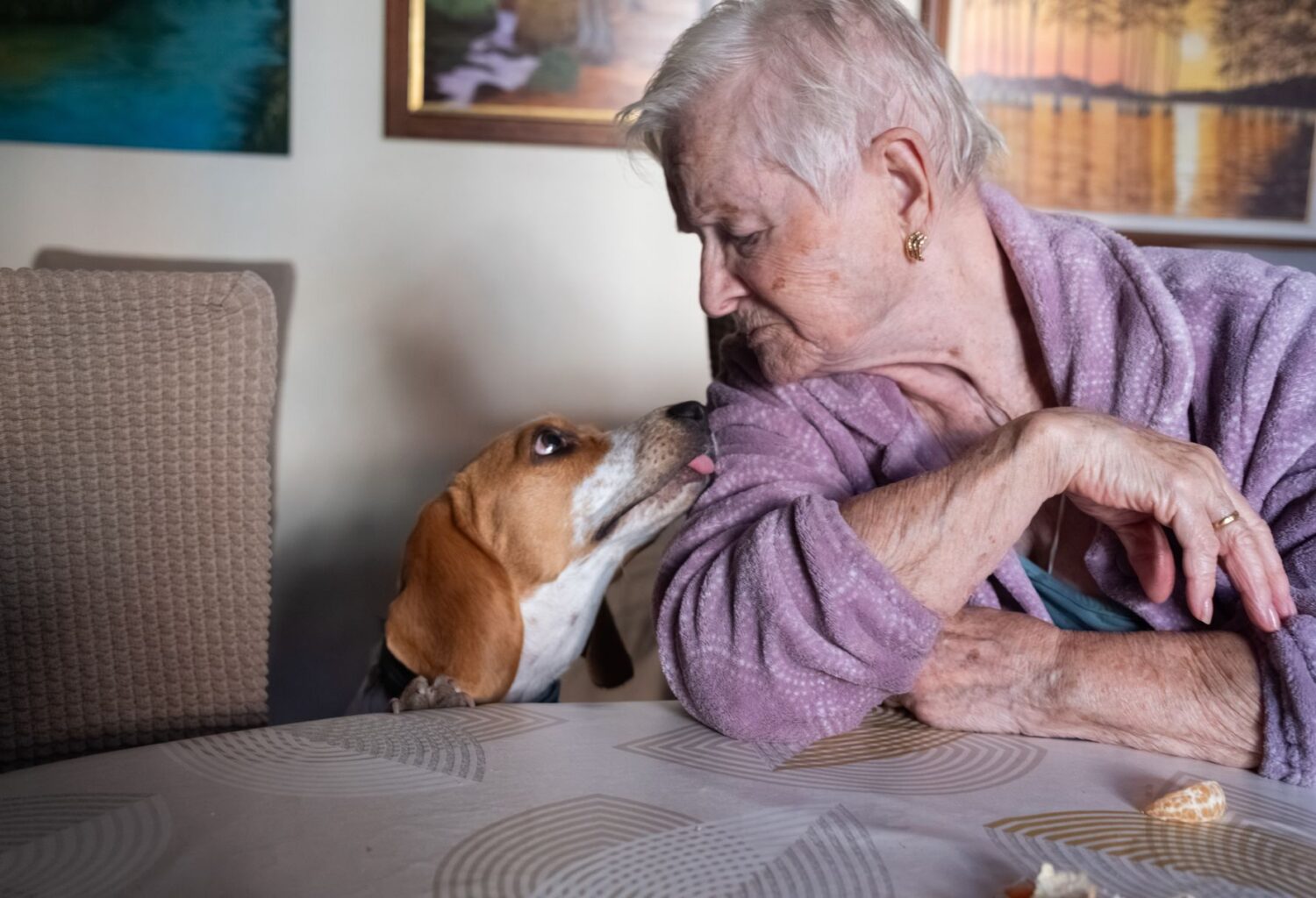
The human-animal bond is an important aspect of veterinary medicine, but there are nuances that are helpful for veterinary professionals to understand. Today’s round-up highlights examples of those nuances, a program helping seniors and their pets stay together, and a reminder that the “animal” part of that bond can go way, way beyond the animals we typically share our homes with.
Advertisement
The human-animal bond (HAB) is at the heart of what drives many veterinary professionals. Your work each day strengthens the connection between the animals in your care and the people who cherish them—and that’s a genuinely powerful reason to show up, especially when the work gets challenging.
Below are a few recent examples from the field that showcase the real-world impact of the HAB. We think they’ll help remind you why your work matters. And, if you come across a story or study about the HAB, we hope you’ll reach out to share it with us at [email protected]. We’d love to hear about it!
A proven boost to mental health—for some
A recent article in Parade shared seven psychological benefits of having a dog, based on insights from psychologist Michele Goldman, Ph.D., media advisor at Hope for Depression Research Foundation. Goldman noted dogs’ ability to reduce stress and anxiety, increase positive emotions, offer consistency and structure amid chaos and change, provide incentive to get moving outdoors, improve emotional regulation, and aid social connection.
However, the article made another important point in that this experience with the human-animal bond is not necessarily universal.
If you can’t imagine life without a pet, it can be hard to understand why someone might not be an animal person. But pets require effort, and if an animal isn’t the right fit for a family, the time, money, and stress involved in caring for them can mitigate all those lovely benefits. This is a good reminder for those who may be in positions to advise families about adopting a pet that not every pet is right for every family. Encourage folks to consider their finances, free time, and life circumstances, and to seek out a pet that will fit in with their needs.
Stepping up for seniors
In Grand Rapids, Michigan, a new program is helping seniors and pets stay together, even when times get tough. The program, called Vetr, brings free, in-home veterinary care to adults with financial need ages 60 and older.
The cost of that care is covered by Tyson’s Place Animal Rescue, a shelter with a mission to “assist terminally ill people in West Michigan with caring for and finding new families for their pets.” This latest partnership with Vetr takes that mission and expands upon it by addressing two of the biggest challenges seniors face in pet care: transportation and cost of care.
Resources for implementing community care
Programs like Vetr are a fantastic example of how individual organizations can step up to provide care to potentially underserved families in their communities. If you’re inspired to see how you or your practice can create impactful change for your neighbors, the AAHA Community Care Guidelines provide resources and a roadmap that can help you implement a family-centered approach that goes beyond your clinic walls.
Beyond our household pets
Cats and dogs may be the animals that come most quickly to mind when we discuss the human-animal bond, but they’re far from the only creatures humans bond with. (Take, for example, this video of the folks at VEG saving an injured butterfly brought in by a kind passerby!)
Another great example: Sheldrick Wildlife Trust recently shared Toto’s story, providing a touching reminder of the intense power of the bonds we form with other living beings.
As a days-old infant, Toto was brought to the Sheldrick Wildlife Trust nursery by several of the nursery’s ex-orphans—none of whom were his mother. These grown elephants, who’d been orphans raised at the nursery but now lived in the wild, knew they could trust these humans to care for their tiny friend. We’ll let Angela Sheldrick share the rest of Toto’s story (and encourage you to subscribe to the Trust’s Field Notes newsletter, which is full of remarkable stories like this).
Photo credit: David Petrus Ibars /iStock via Getty Images Plus
Disclaimer: Trends™ content is meant to inform, educate, and inspire by providing an array of diverse viewpoints. Any content published should not be viewed as an official stance, position, or endorsement by the American Animal Hospital Association (AAHA) or its Board of Directors.
