Pyrethrins and pyrethroids: Educating clients on certain topical flea and tick products
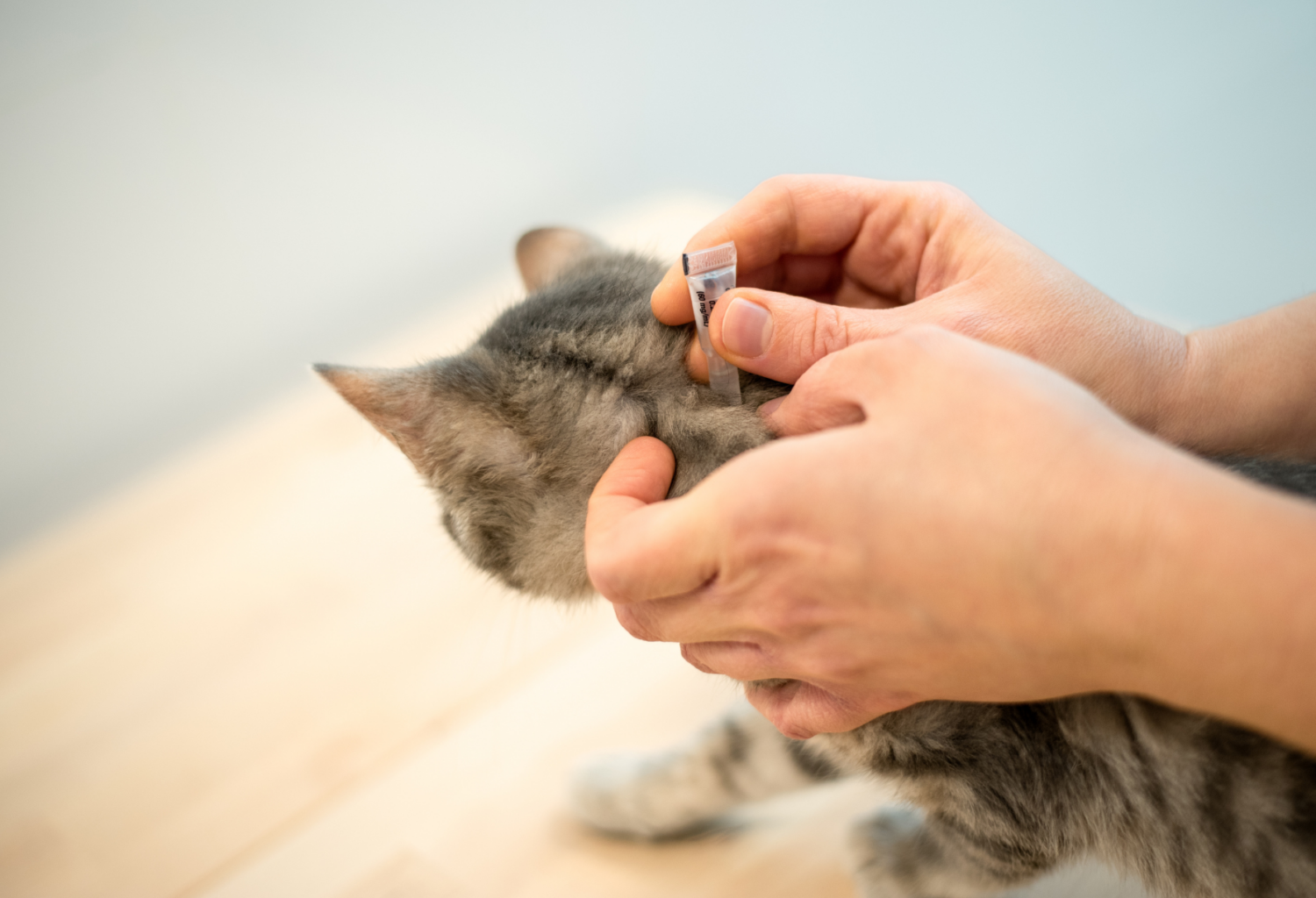
When it comes to pet parents purchasing over the counter flea and tick medication, it’s always important to remind them that not all medication is the same. Especially when they have multiple pets in the house. While our typical My Pet Ate series focuses on what goes in our pets, this one focuses on what goes on our pets.
Advertisement
If your pet ingested a substance and you’re unsure if it’s toxic (e.g. if your pet ate a household plant and you’re unsure of its safety), call your veterinarian or an organization like the Pet Poison Helpline immediately to get your questions answered.
As it gets warmer outside, many pet parents will opt to get flea and tick medication for their pets. With many preventatives available over the counter, it’s always good to remind pet parents that these products are not one—size–fits–all. Feel free to share this article with clients who might be looking for a place to go for more information, especially focusing in on pyrethrins or pyrethroids.
Understanding flea and tick medicine
First and foremost, be sure you’re reading through the label and packaging carefully. Some have certain ingredients that, depending on the species of animal, have a narrow margin of safety.
“It’s really important that you’re giving it to the species that it’s intended for,” said Renee Schmid, DVM, DABT, DABVT, the Director of Veterinary Medicine and Senior Veterinary Toxicologist for the Pet Poison Helpline. In fact, she said, applying flea and tick prevention to a species of pet for which it was not intended is the most common flea and tick prevention-related reason for calls to the Pet Poison control hotline.
Pyrethrins and pyrethroids
Schmid highlights pyrethrins or pyrethroids, as ones to keep an eye out for in cats. The difference between the two is that pyrethrins are made from Chrysanthemum, while pyrethroids are synthetic versions of that, made to mimic that of pyrethrins. Though different, they impact cats the same.
Pyrethrins and pyrethroids are often used in preventatives that are labeled for dogs, since they typically tolerate them well. However, some over the counter preventatives labeled for cats also include these ingredients. Ask your veterinarian for recommendations on which specific brands to look for and which ones to avoid.
Warning signs
The signs of pyrethrin and pyrethroid toxicity in cats include drooling, vomiting, tremoring, hyperexcitability, agitation, seizures, weakness, and even difficulty breathing. It’s important you seek treatment for this type of poisoning right away, because if left untreated, it can be fatal. It’s rare for dogs to experience toxicity with these products, but it’s important to understand that if the substance is topical, there’s a chance of it being spread to cats who live under the same roof, especially if they spend time in close contact with or like to groom their canine housemates.
“A dog using that for a flea and tick product can work very well,” she adds. “If you have a multispecies household, so maybe you have dogs and cats, you want to avoid using products that may be unsafe for cats, and even on the dog, just so that you avoid that potential mix up of medication.” If you do choose to apply preventatives containing pyrethrins or pyrethroids to your dog(s), you should separate any cats in your home from the dog(s) for the first 24 hours after applying them.
In the case of accidental application or topical exposure, Schmid recommends bathing your pet in liquid dish soap. And of course, if you have any concerns about toxicity, don’t hesitate to call the Pet Poison Helpline and/or your AAHA accredited veterinary practice.
Our “My Pet Ate” series is done in collaboration with the Pet Poison Helpline. You can learn more about the services they offer on their website or by calling (855) 764-7661.
Photo credit: © Vonschonertagen via E+ / Getty Images Plus
Disclaimer: Trends content is meant to inform, educate, and inspire by providing an array of diverse viewpoints. Any content published should not be viewed as an official stance, position, or endorsement by the American Animal Hospital Association (AAHA) or its Board of Directors.
