Clinical
Summer pet toxins: Awareness, prevention, and safety
When the seasons change, so does the risk of pets encountering certain toxins. In this seasonal series, AAHA has collaborated with Renee Schmid, DVM, DABT, DABVT, of Pet Poison Helpline, to identify some of the common pet poisons veterinarians encounter with their clients. Here’s what to watch for this summer.
Advertisement
Downloads
Winter, spring, summer, fall; pet toxin hazards can be found through them all. Still, being clear about which toxins are highest risk during a given season, as well as just how dangerous those toxins can be for pets, is important for every member of the veterinary team and the families you serve.
Between summer holidays, travel and outdoor adventures, and seasonal plants, there are plenty of factors that drive predictable increases in exposure to certain toxins. Being aware of and familiar with these seasonal toxins isn’t just a useful preparatory measure for your team, said Renee Schmid, DVM, DABT, DABVT, veterinarian, director of veterinary medicine, and senior veterinary toxicologist at the Pet Poison Helpline: “When veterinary teams anticipate seasonal toxicities, they can recognize symptoms earlier and educate clients before exposures happen.”
(The download above and items below include a list of common, seasonal summer toxins; not every potential toxin is included. You can find a full list of poisons here.)
Emerging toxicity risks you need to know
Don’t miss Renee Schmid’s appearance on From the Soapbox, where she shares some of the new and growing toxicity risks veterinarians are seeing all across the country in 2026.

“Cookouts and parties often mean more food left within reach of pets,” said Schmid, and this can create ample opportunities for pets to be exposed to toxins. Here are a few common summer holiday-related toxins your team—and your clients—should be aware of.
Onions and garlic
“A lot of dips, meals, and party foods contain onions and garlic,” said Schmid, “and this is toxic to pets.” This can be confusing to pet parents, who might see these ingredients included in pet foods or supplements, but, as Schmid says, “The dose makes the poison, so it’s about the amount they’re ingesting when they’re getting into human foods. Typically, this is going to be a larger amount than what is safely applied to animal-specific products.”
Even if the pet parents themselves are diligent about keeping food away from pets, it may be wise to impart on them the importance of asking guests to do the same (and to not share their food with pets, period, no matter how much Max begs). Cooked, powdered, and raw are all dangerous to pets, so the best policy is really to skip sharing altogether, and instead, offer opportunities for guests to give pets some approved treats.
- Both dogs and cats are at risk, but cats are more sensitive
- Clinical effects include delayed hemolytic anemia
Alcohol
It’s important to ensure clients understand that a “funny drunk pet” isn’t something to laugh about; it’s cause for a trip to the ER. Consider providing discharge handouts to families coming in during the summer to help remind them that party drinks can be dangerous to pets,
- Clinical effects include central nervous system depression, hypoglycemia, and hypothermia
Fireworks
We often think of fireworks being dangerous due to the noise causing fear for pets, but the remnants left on the ground pose a problem, too. Fireworks contain various salts and chemicals, so even after they’ve deployed, they can be very dangerous if chewed on or ingested, said Schmid. “At the least, they can cause potential foreign bodies or obstructions in the stomach and intestinal tract.” She recommends placing any used fireworks into a bucket and ensuring that bucket is well out of the animal’s reach.
- Clinical effects (depending on the type of firework and amount ingested) can include foreign body obstruction, tremors or seizures, acute kidney failure, bone marrow changes, shallow breathing, and jaundice
- Lit fireworks, if pets are exposed to them, can cause burns to the animals’ nose, face, or mouth, as well as eye irritation and conjunctivitis
Chocolate toxicity
Those fun parties and picnics may also include chocolate treats and baked goods, which might sound great to us, but it’s not such a great thing for our pets. Even small amounts of chocolate, especially dark chocolate, can be a real danger.
- Clinical effects include tachycardia, agitation, tremors, and seizures
Xylitol (artificial sweetener)
Xylitol can be found in lots of different low-sugar and sugar-free treats, including gum, candy, and baked goods, as well as peanut butter, toothpaste, and more. The trouble is, many of those things smell great to our dogs, in particular, so it’s especially important to help clients understand how important it is to prevent those pups from nosing around in products that contain it. “Xylitol exposure can cause dangerously low blood sugar in dogs very quickly,” said Schmid.
- Dogs are at greatest risk
- Possible clinical symptoms can include vomiting, weakness, collapse, and tremors
Cannabis/THC exposure
THC gummies are an increasingly popular party treat among age-appropriate adults, but Schmid is concerned about the fact that cannabis exposure in pets is growing. Whether or not THC is legal in your state, it’s vital that clients know they must be honest with you regarding any potential exposures.
- Potential clinical effects include ataxia, urinary incontinence, and CNS depression
The best way to ensure your clients give you all the information you need—even if it’s a bit sensitive—is to normalize nonjudgmental history taking, Schmid said.

Summer sun can bring out plenty of beautiful plants, but unfortunately, some popular plants are toxic to pets. Here are a few to ask clients about (and advise them to proceed with caution when including them in their landscaping).
Sago palm
“Sago palms are a common landscaping plant in warm climates, but even a small amount can cause severe liver damage in dogs,” Schmid noted.
- Clinical effects can include severe gastrointestinal distress, nervous system disturbance including seizure, organ failure, and death
Oleander
“Depending on where you are, in the southern regions, we see an increase in exposure to oleander,” said Schmid. The seeds are especially toxic.
- Clinical signs can include gastrointestinal distress, cardiovascular dysfunction, and neurological signs
Japanese yew or yew shrubbery
“This is something highly toxic to dogs and cats, so we want to make sure they’re not nibbling on it,” Schmid said. “That includes the prickly stems, as well as ingesting the berries.”
- Clinical effects can include gastrointestinal distress, neurological signs including seizure or coma, low heart rate and low respiratory rate, and death
Lilies
“Lily exposure should always be treated as a potential emergency in cats, even if the patient appears clinically normal,” said Schmid. This means that even the appearance of pollen on the nose or whiskers requires an immediate visit.
Clinical presentation of lily toxicosis can include:
Early
- Vomiting
- Lethargy
- Hypersalivation
Later
- Polyuria/polydipsia
- Acute kidney injury
- Anuria
Azalea/rhododendron toxicity
Just as we noted in spring, these lovely blooms are used frequently in landscaping and gardens, which means lots of pets have access to them. Schmid noted, “Ingestion often occurs after pruning or yard cleanup when plant material is accessible.”
- Clinical signs can include GI upset, bradycardia, hypotension, and arrhythmias
Fertilizer can be a related concern, particularly any that contain a product called milorganite, which is made from sewer sludge and can cause ataxia and neurologic signs.
Harmful algal blooms
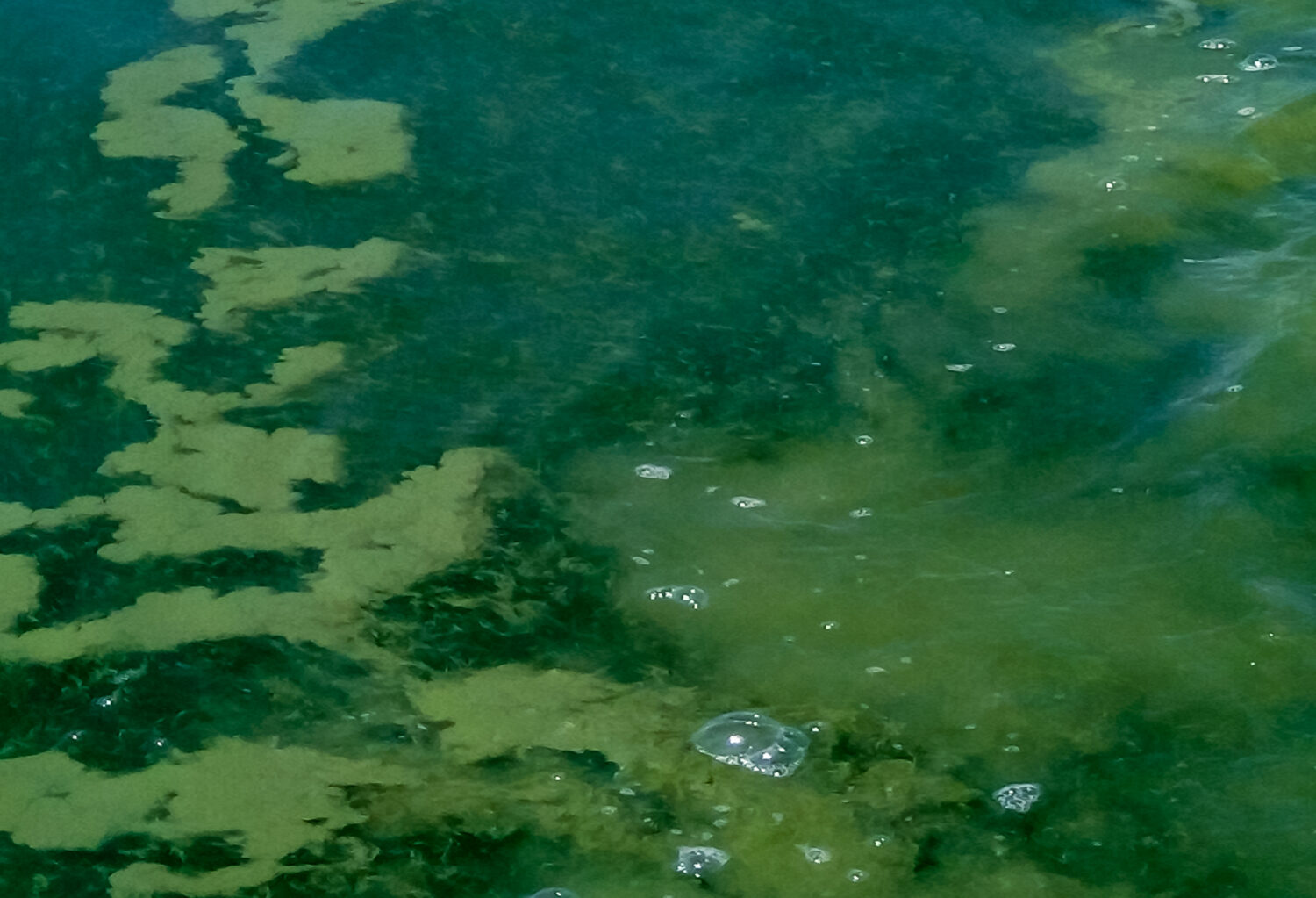
Also known as blue-green algae or cyanobacteria, harmful algal blooms (HABs) can be found in freshwater, saltwater, and brackish water. It’s not always visible to the naked eye, but is generally found in hot, nutrient-dense water. These blooms especially love stagnant or slow-moving water, but in 2025, a new HAB (benthic algae) emerged and was found even in fast-moving water, so even though many dogs love swimming in and lapping up water while out on trails, it may be wise to advise owners to keep them out of any unfamiliar or untested water.
- Clinical effects can include gastrointestinal distress, organ injury, neurological signs, or skin blisters

Preparing one’s home for summer, and for summer pests can expose beloved pets to products that are highly toxic to them. This is a great time of year to remind (or educate) clients about the need to keep all garden chemicals stored securely, and to opt for pet-friendly products whenever they can. “These products are designed to attract pests, but that also means they can attract curious pets,” said Schmid.
Slug/snail bait (metaldehyde)
If given the opportunity, recommend pet parents opt for pet-safe alternatives to slug or snail baits. “Metaldehyde has an extremely narrow margin of safety in pets and causes severe tremors and seizures to occur,” Schmid said.
- Clinical signs can include rapid gastrointestinal and neurological signs, including drooling, vomiting, agitation, tremors, and seizures; untreated neurological signs result in severe fever and death
Mole/gopher bait (zinc phosphide)
This is another product with a very narrow margin of safety for cats and dogs, Schmid said, so whenever you’re able, recommend pet parents seek alternatives to products with zinc phosphide. Zinc phosphide combining with gastric acid results in rapid phosphine gas formation within the stomach, causing severe gastrointestinal inflammation, abdominal distension, and cardiovascular insufficiency (along the lines of a GDV or bloat); pulmonary congestion and edema may also occur.
- Clinical signs typically develop rapidly, within 15 minutes to several hours, and include vomiting, salivation, abdominal discomfort, bloating, depression, labored breathing, tremors, and weakness
Rodenticides
Often, these can be leftover from winter and may include baits in garages, sheds, and crawlspaces. Exposure is harmful to both dogs and cats—and just because a product says it’s pet-resistant, that does not mean it’s actually pet-proof.
- Depending on the active ingredient, symptoms of exposure can include bleeding issues and brain swelling
If the client isn’t able to determine what type of bait their pet was exposed to, Schmid recommends empirical treatment.
Cleaning products
Exposure to cleaning products doesn’t necessarily mean a pet ingested a full container of the product; just a lick out of the mop bucket could put a pet in the danger zone. This is an example of how nonjudgemental history taking is crucial; looking away for only a second can lead to a pet lapping up a toxin, and the sooner clients clue you in to this being a possibility, the more quickly you can take action.
- Clinical signs can include oral ulceration, hypersalivation, and vomiting
Smart summer strategies for veterinary teams
Educating clients about pet poison prevention is the ideal first step in protecting your patients from common summer pet toxins. Share the handout in this article, hang posters in your exam rooms, and, perhaps, most importantly, drive home the fact that quick action doesn’t just provide the best chance at a pet surviving exposure to a toxin, but it also typically costs less than treatment once the toxin has had more time to take effect.
A few points to make in the client education realm include:
- Floral awareness campaigns around holidays, like Pet Poison Helpline’s No Lilies for Kitties campaign
- Keeping chocolates and other treats containing chocolate, xylitol, and THC safely stored
- Checking labels on gum, candy, and peanut butter for xylitol
- Cleaning up yard waste (including fireworks) promptly and thoroughly
- Securely storing garden chemicals
- Opting for pet-safe plants and yard products
- Keeping purses and bags out of reach
- Preventing pets from getting up close to cleaning products
“Seasonal education—both in the exam room and on social media—can prevent many toxic exposures before they occur,” said Schmid. Your clients want to keep their pets safe all year round, and using your email list, social media channels, or even offering paper handouts to clients at discharge can go a long way.
In the clinic
Support starts with the team member answering the phone and knowing the right questions to ask (and how to triage based on the answers). From there, technicians and assistants taking a thorough history, including seeking clues about potential toxin exposure when appropriate, and doctors determining what action to take are key to giving pets exposed to poisons their best shot at regaining their health and going home. When it comes to a potential poisoning case, every moment counts, which means everyone involved must know what to look for and how to proceed.
Schmid also suggests working with receptionists on triage training so they can accurately identify emergency calls. “With potential poisonings, sometimes, if we wait and see, it could be fatal to the pet,” Schmid emphasized, “and/or it could be extremely stressful and financially burdensome for the pet parent. The more time that passes between when it happened to when therapy has started, sometimes we have to do more for them, or there’s a higher risk of having them have more symptoms develop.” For that reason, Schmid likes to say that the first sign is no sign at all. So, if exposure is even suspected, even if no symptoms are present, taking action is still wise.
However, if a client calls suspecting poison because of a symptom, it’s most often going to be vomiting, perhaps alongside some sluggishness or weakness.
Every visit offers you a chance to help your clients keep their pets safe, so don’t miss that opportunity during wellness visits to share a few seasonal toxin reminders. Encourage them to call you or a resource like Pet Poison Helpline to take action right away if they think there’s any chance their pet has encountered a toxin.
And keep in mind that veterinarians can call Pet Poison Helpline, too.
“Early intervention is your highest chance of full recovery and survival,” Schmid reiterated. “Our goal when we’re talking with veterinarians is always to get that patient back home to its family where it belongs. And if we can start treating animals before any signs have developed, they typically will have a very high likelihood of having a full recovery or going home.”
Photo credit: AAHA
Disclaimer: Trends content is meant to inform, educate, and inspire by providing an array of diverse viewpoints. Any content published should not be viewed as an official stance, position, or endorsement by the American Animal Hospital Association (AAHA) or its Board of Directors. This article had editing assistance from an AI software.
