Culture and People
Veterinary professionals turn everyday care into community impact through volunteer work
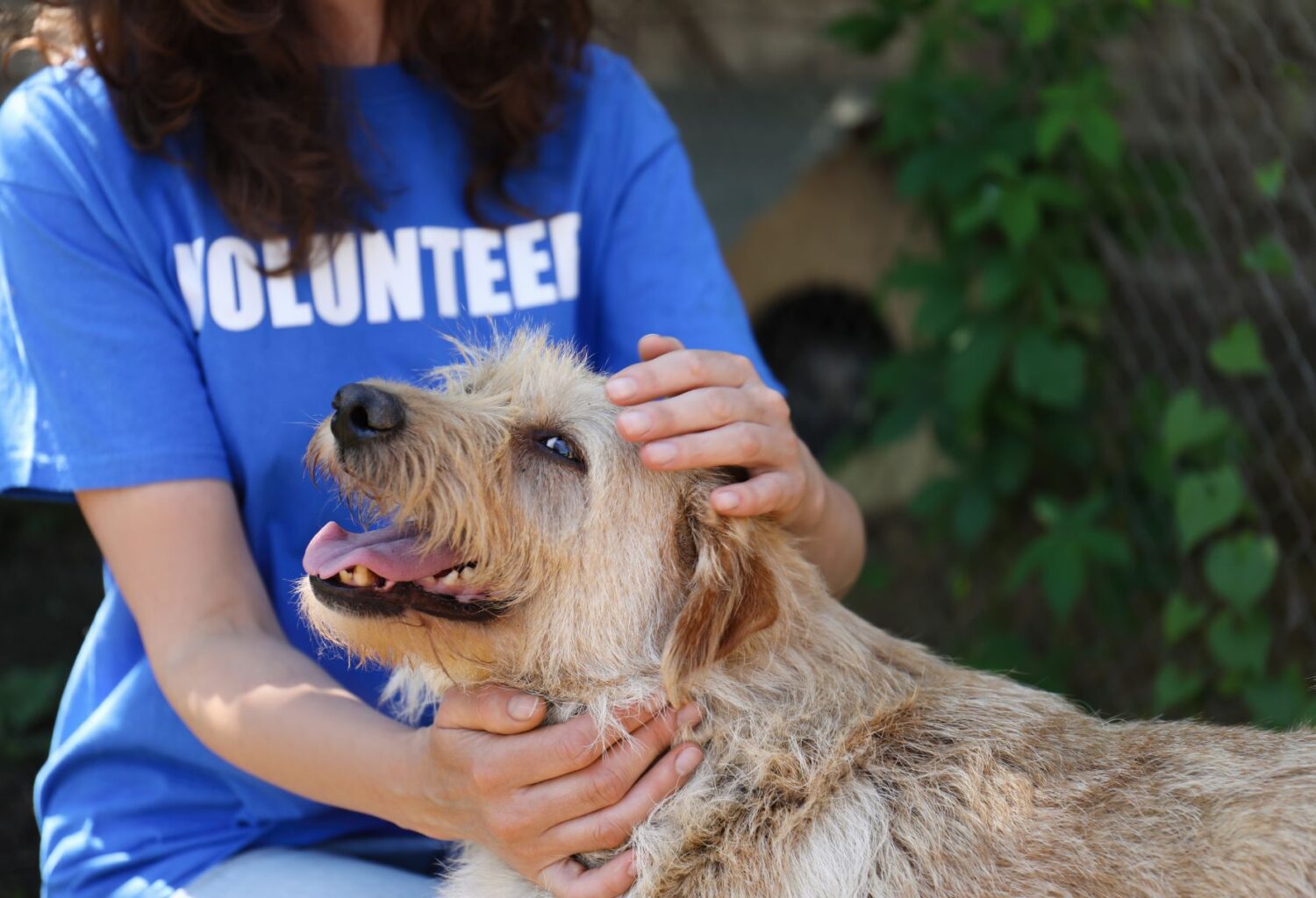
From everyday clinical decisions to organized outreach, veterinary teams are expanding their impact beyond the clinic through veterinary volunteer opportunities.
Advertisement
Veterinarians—and all the other members of the veterinary team—are often drawn to the field because of their caring nature. For many professionals in the field, the instinct to help doesn’t end when they leave the clinic, and many look for meaningful ways to share their expertise outside of work.
The challenge is not finding a project. Volunteer opportunities are abundant. The challenge is finding the right project, one that energizes you rather than depletes you.
When chosen intentionally, volunteering restores energy, deepens purpose, and strengthens connections between veterinary teams and the communities they serve.
Supporting service animals
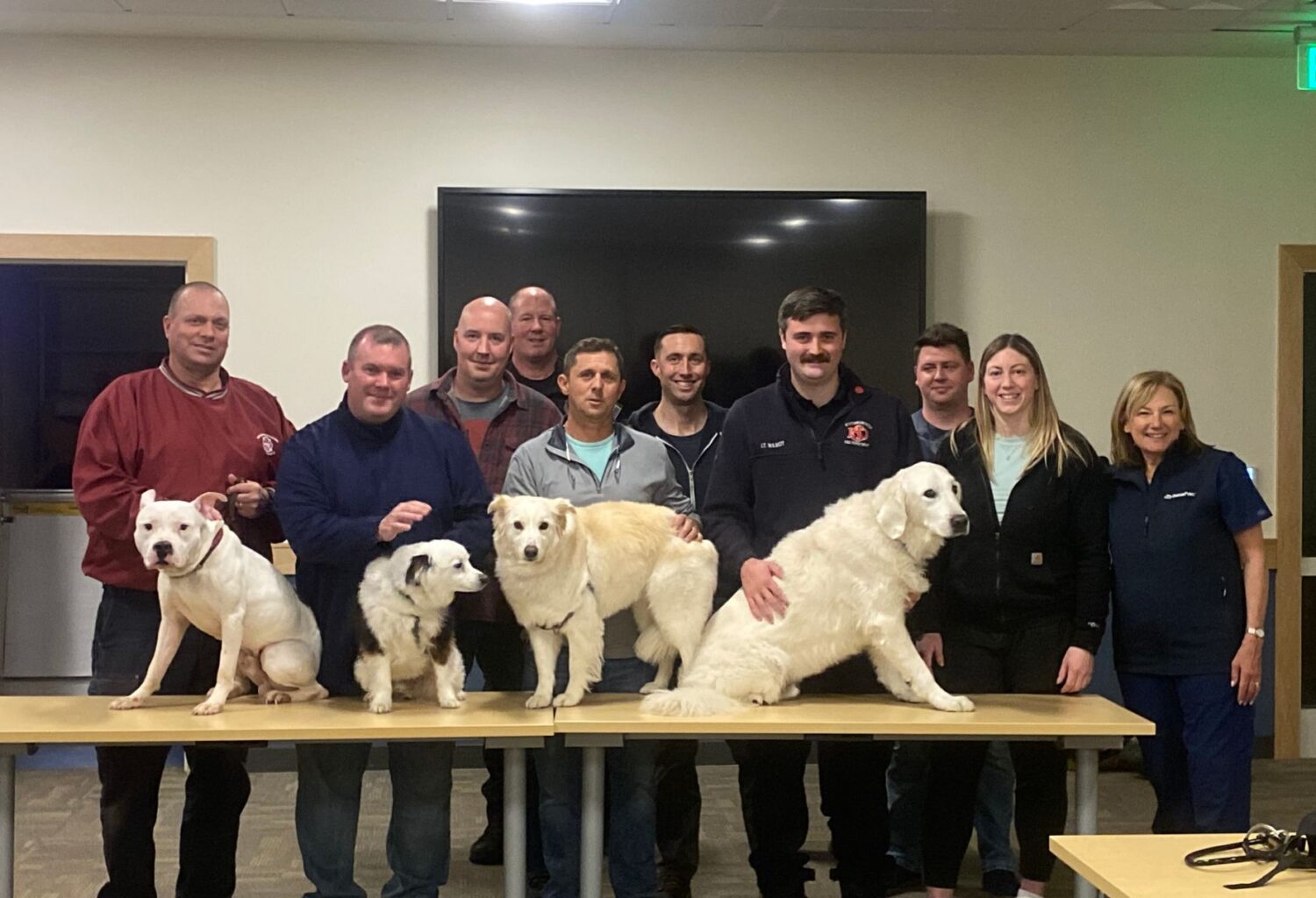
For Dani Cimino, DVM, owner of Home Base Veterinary Services in Massachusetts, volunteering with working dogs began after Massachusetts passed Nero’s law in 2022, following an incident in which a state trooper and his canine partner were injured in the line of duty. The law gave first responders authority to assess, treat, and transport injured police K-9s for life-saving care.
As part of a statewide team of veterinarians, Cimino helped train hundreds of first responders to assess shock, check pulses and mucous membrane color, administer intramuscular injections (including opioid reversal agents for detection dogs), perform CPR, and control bleeding with bandages and tourniquets.
“This was personally very rewarding for me,” she said. “It was on the heels of COVID when I felt so darn helpless, and it was a good opportunity to give back to my community.”
Caring for rural and working animals
Animals—both companion and working—play a critical role in people’s lives, and that holds true in rural and low-resource communities where access to veterinary care is often limited. These animals are essential to daily life, and their care creates multiple volunteer opportunities for someone looking to travel and share their expertise.
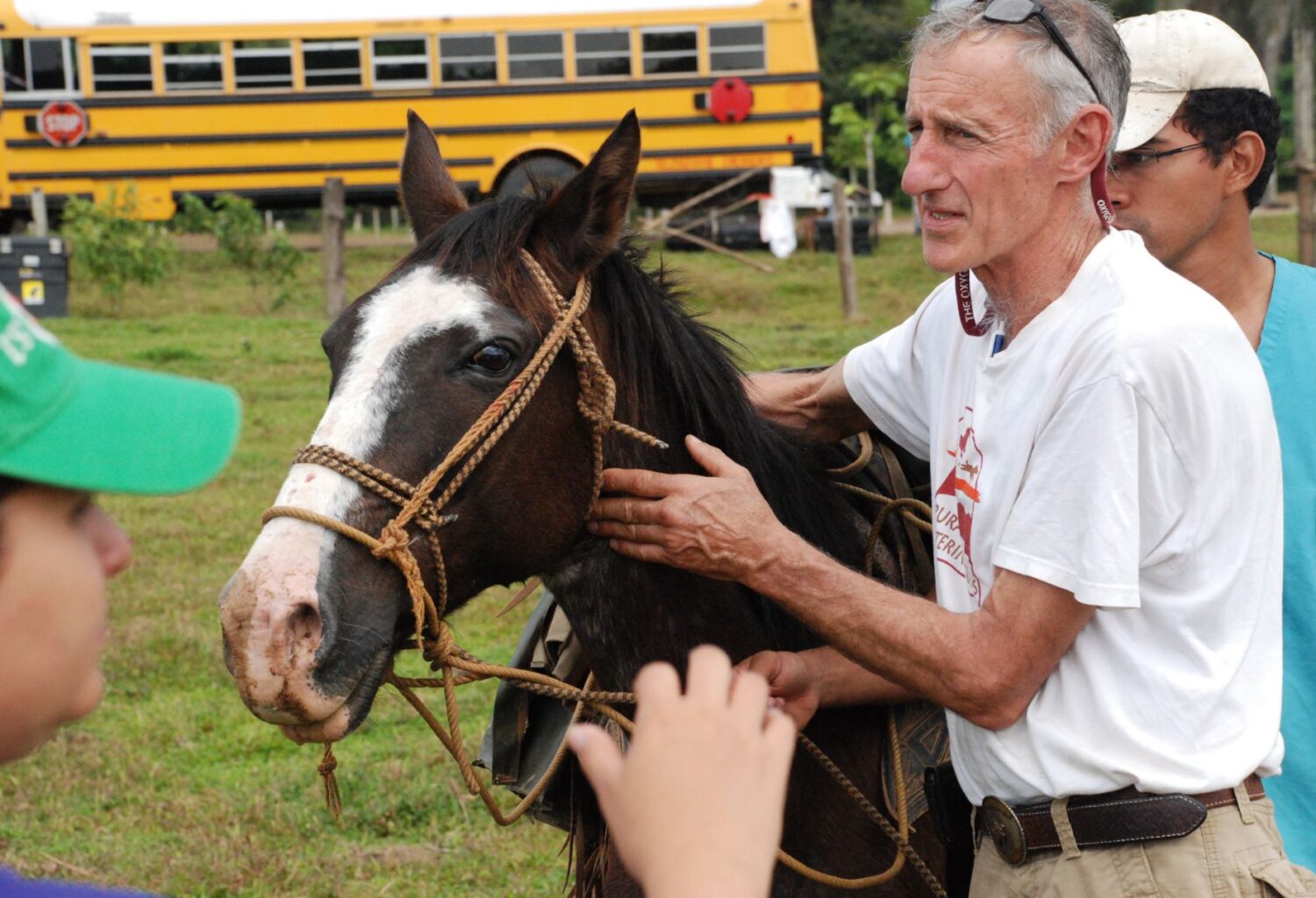
For decades, retired UC Davis veterinarian Eric Davis, DVM, MS, DACVS, DAVVIM, has traveled across the Americas improving access to veterinary care and education in low-resource communities through Rural Veterinary Experience Teaching and Service, which he co-founded with his wife, Cindy Davis, RVT.
His advice for veterinarians interested in volunteering internationally: start locally.
“Rural SPCAs and humane societies often struggle to provide adequate care for seized, abandoned, or impounded horses and livestock,” he said. “In states like California, disaster response and large-animal rescue teams also offer powerful, hands-on ways to serve communities facing wildfires and other emergencies.”
University-based “Access to Care” programs—such as those at UC Davis and Mississippi State—provide additional avenues, whether through small-animal clinics for people experiencing homelessness, migrant worker communities, or underserved Native American reservations.
Community care and a family-centered approach
Meeting clients where they’re at requires us to anticipate, identify, and work to overcome common barriers to care we see in our communities. A systems-level approach to family-centered care enables veterinary practice to do their part within a community system, and the 2024 AAHA Community Care Guidelines provide a roadmap for collaborating with other organizations, agencies, and clinics in the area.
“Consider your skills, comfort with travel, language abilities, and long-term commitment,” he said. “Whether on Native American reservations, in Latin America, North Africa, or in your own county, meaningful volunteer work is less about the location and more about partnering with established groups, respecting local cultures, and showing up consistently over time.”
Providing care on both ends of the leash
In some cases, humans need as much care as their animals, and veterinarians can find opportunities to volunteer in ways that support both people and their pets.
“All of our clients face barriers to finding veterinary and human health care, and they love their pets as much as we love ours,” said Melanie Barham, DVM, CEO of Community Veterinary Outreach, which focuses on holistic care for vulnerable populations across Canada.
“While we’re there, we offer them human healthcare at the same time through partnerships with nearly 200 organizations, so we’re caring for both ends of the leash,” she said.
One Health and vet med
Navigating cross-disciplinary partnerships is a crucial aspect of the One Health approach, and the 2025 AAHA One Health Guidelines are designed to help veterinary professionals do this with clarity and ease.
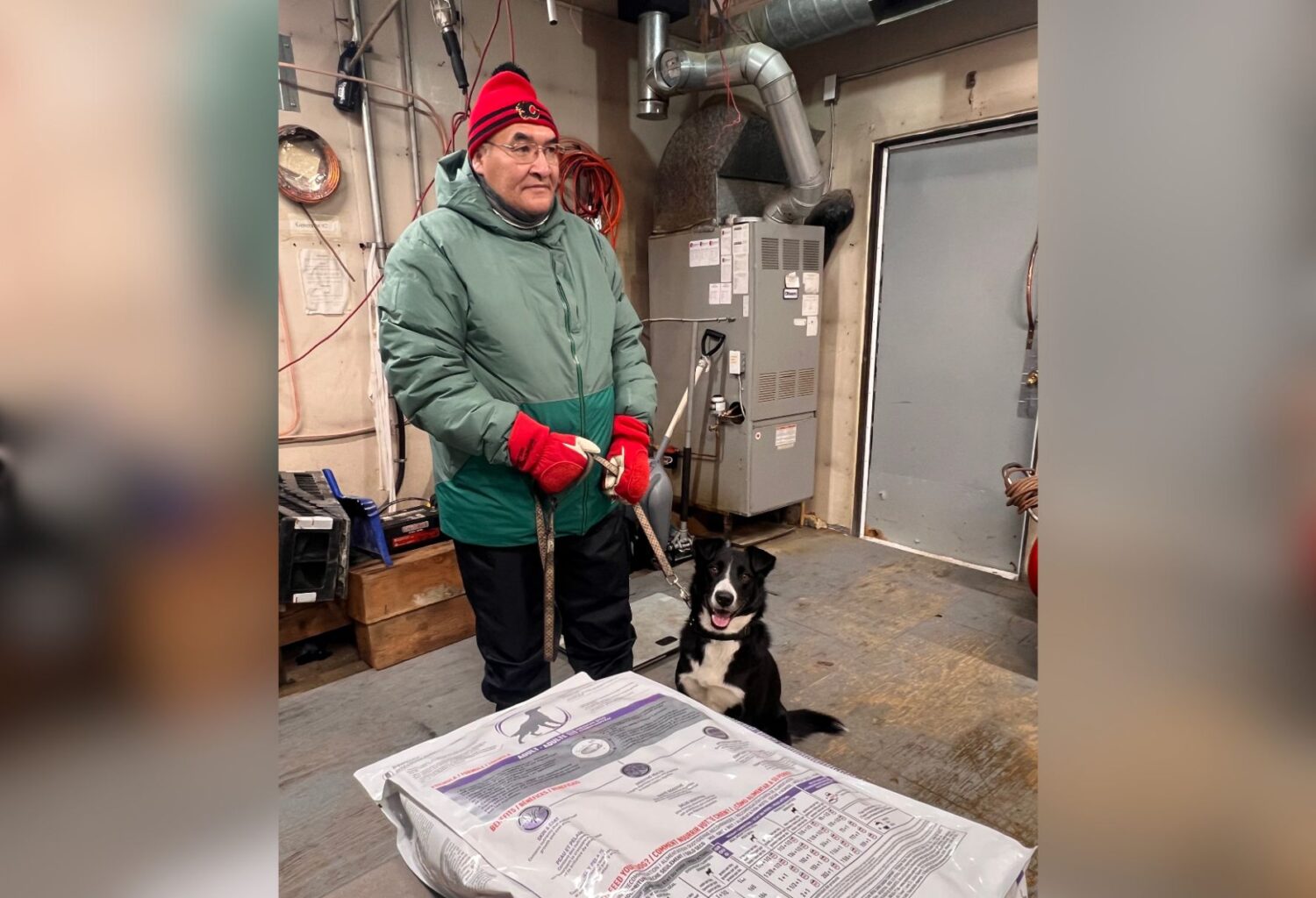
Whether in remote communities like Old Crow, Yukon, which is only accessible by air, or at pop-up events across Canada, veterinarians who volunteer through the organization can experience the impact of caring for both pets and their owners while encouraging sustainable care.
“I had the opportunity to travel to Old Crow, Yukon—which has no resident veterinarian—last year alongside our regional director, Dr. Samantha Salter, to deliver a wellness clinic and develop a long-term plan, and it was so rewarding,” she said. “It’s really relationship building,” she said.
Educating the public and inspiring the next generation of professionals
Education-focused outreach can be equally impactful. At Malta Animal Hospital, co-owners Heather and Jake Zaidel, who are both veterinarians, encourage their team members to participate in community days and science nights at local high schools to showcase the field as a career path.
For younger children, the practice hosts “teddy bear surgeries,” where kids don caps and masks, “operate” on stuffed animals, and leave with certificates. Students can also shadow team members. One student returned as a summer employee and eventually became a veterinarian.
“Seeing that full circle, from teenager to colleague, is incredibly rewarding,” she said.
blendVET pathway events
Programs like blendVET are an important way to make sure every student, regardless of race, culture, or background, knows that if they’re interested in veterinary medicine, then there’s a place for them in the profession. Learn more about how blendVET’s DEIB efforts are inspiring a new generation of veterinary professionals.
Cimino has also focused much of her volunteer work on education and safety, teaching children to read canine body language and approach unfamiliar dogs, and teaching adults about nutrition basics, toxic household substances, and dental care.
Recognizing that small acts add up to significant contributions
Not all veterinary professionals can volunteer on weekends, live near pop-up clinics, or have the ability to travel extensively, and that’s OK.
“A lot of times we are doing those things already, but we’re not thinking about it as volunteer work,” Barham said. “When you’re taking an extra spay for shelter or an owner that needs it, or taking time to help somebody who needs it, that is a way of giving back to your community.”
For those unsure of how to give back, Barham shared her favorite quote from the book Tuesdays With Morrie. “You give what you have to offer.”
That even includes wearing logoed apparel or carrying swag for a charity that means a lot to you. Barham once had someone ask about her swag; she explained the charity, and the woman donated $20.
“Give what makes sense to you,” she said. “Maybe that’s time, maybe it’s running a fundraiser, giving a donation at the end of the year, doing nail trims, or wearing a logoed sweater.”
Finding your opportunity
With creative thinking, veterinarians—and all members of the veterinary team—can find volunteer opportunities that align with their skills, passions, and capacity. Ideas shared through casual conversations with professionals include:
- Visiting nursing homes with personal pets
- Volunteering at shelters
- Donating spay and neuter services
- Photographing foster or shelter animals
- Fostering animals
- Raising a guide dog
- Collecting donations for shelters and rescues
- Partnering with disaster relief organizations
- Joining state or national veterinary medicine association committees
- Educating lawmakers about critical animal welfare and care topics
- Creating a 501(c)(3) to raise funds
- Seeking donations from local businesses
- Collecting supplies for shelters and rescues
Whatever you choose, “It has to bring you joy. Otherwise, it just adds to burnout,” Zaidel said.
When taking on a project, ask yourself, “How do I feel afterwards? Am I energized or drained?” Does this remind me why I entered this field, and does this align with my personal and professional values?”
When the answer is yes, you’ve found the right veterinary volunteer opportunity for you.
Photo credit: Liudmila Chernetska via iStock/Getty Images Plus
Disclaimer: Trends content is meant to inform, educate, and inspire by providing an array of diverse viewpoints. Any content published should not be viewed as an official stance, position, or endorsement by the American Animal Hospital Association (AAHA) or its Board of Directors.
