Clinical
Veterinary technician leads research on occupational radiation exposure
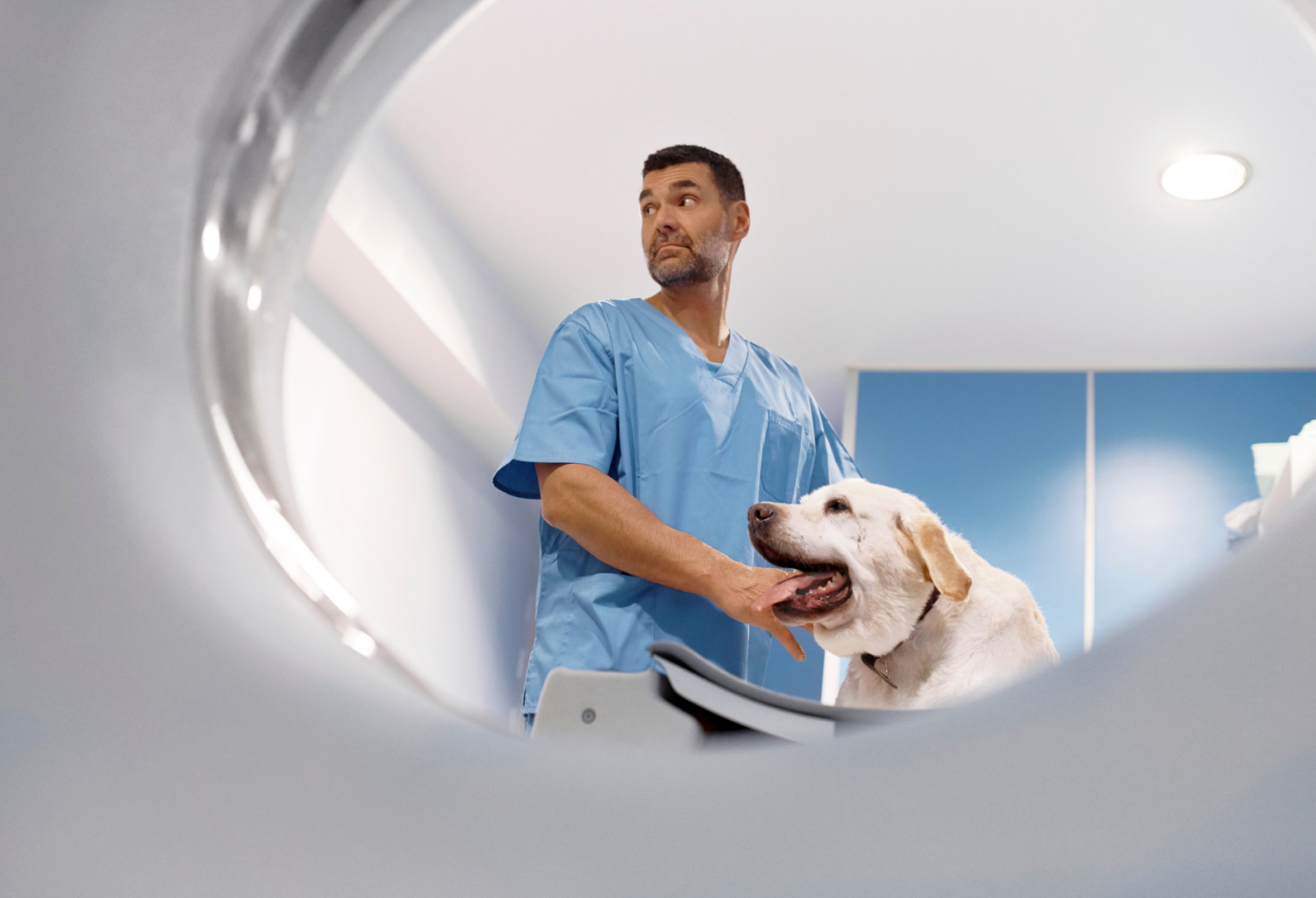
A new research study described occupational risks for veterinary team members associated with ionizing radiation and nuclear medicine, but it also highlighted the roles that veterinary technicians can play in conducting research without our profession.
Advertisement
A 2025 scoping review, published in the Journal of the American Veterinary Medical Association, examined decades of research on occupational radiation exposure during PET/CT imaging with 18F-fluorodeoxyglucose (18F-FDG). This study was led by Lisa Carstens, BS, RVT, a diagnostic imaging veterinary technician at the University of California, Davis.
Occupational radiation exposure during veterinary PET scans
Carstens worked with Erik Fausak, RVT, MSLIS, a registered veterinary technician and school librarian, and Mathieu Spriet, DVM, MS, DACVR, DECVDI, a board-certified radiologist, to screen 643 published studies for possible inclusion in the review. After several rounds of screening, 32 studies were identified for inclusion in the study’s final analysis. However, only five of those studies were performed in veterinary medicine, indicating a gap in veterinary occupational safety research.
The results of this review indicated that veterinary healthcare workers experience higher levels of radiation exposure during a PET scan than human healthcare workers. While patients are exposed to radiation through both 18F-FDG and the imaging process, occupational exposure is largely attributable to 18F-FDG. Occupational exposure risks are impacted by differences in patient management; for example, veterinary technicians must remain in close proximity to their patients instead of providing verbal instructions. Additionally, veterinary patients are anesthetized for PET scans, unlike human patients, increasing the risk of occupational exposure during patient monitoring and recovery.
Despite increased exposure risks in veterinary medicine, the amount of radiation exposure received in a single veterinary PET scan is 37 µSv or less. A veterinary technician would need to perform 1,350 scans/year at that level to exceed annual occupational dose limits established by the U.S. Nuclear Regulatory Commission.
Decreasing exposure risks
Although radiation levels fall within accepted limits, practitioners should remain proactive in following ALARA principles. “Veterinary imaging presents some unique challenges,” said Carstens. “On the human medical side of PET scanning,” she added, “there are tools like shielded automatic injectors that can be used to limit the personnel exposure for one of the highest exposure tasks.”
These tools may be less available in veterinary medicine, given variations in patient size, but thinking carefully about imaging protocols can help reduce the risk of occupational exposure. For example, administering 18F-FDG after the induction of anesthesia reduces the risk of occupational exposure by decreasing patient handling after administration. Staff experience, training, and efficiency also impact exposure risks, by decreasing exposure time and decreasing the risk of radioisotope contamination. Finally, dividing job duties among several members of the veterinary team can reduce the burden to any one individual.
Veterinary technicians in research
Veterinary research has traditionally been considered the realm of those with doctorate degrees such as veterinarians and PhDs. However, Carstens became involved in research as a veterinary technician, because she saw a question in need of answers.
She began working at UC Davis when PET scanning was relatively new to the hospital and to veterinary medicine in general. The hospital received their first small animal dedicated clinical scanner in 2018, leading to an increase in radiation safety questions from anesthesia technicians and support staff.
Initial information gathering at UC Davis relied on electronic pocket dosimeters, which tracked and displayed real-time exposures. While dosimeters reassured most individuals, Carstens wanted more information. “I always wanted a research paper that I could point to that explained what the average exposures were and that being conscious of ALARA principles and your behaviors around a radioactive patient can make a big difference in lowering personal exposure,” she said.
When a call for research papers by veterinary technicians went out to the UC Davis hospital staff in late 2023, Carsten approached Fausak and Dr. Spriet for their assistance with this project. “I wouldn’t have been able to complete this project without the contributions of my fellow co-authors and the support of my department,” Carstens said.
Carstens offered encouragement to veterinary technicians interested in research. “I am optimistic that in the future there will be an abundance of research opportunities for veterinary technicians to take part in,” she said. She highlighted current technician-specific journals, such as Today’s Veterinary Nurse, and hopes to see an increase in similar publications as the field of veterinary nursing grows.
Advice for veterinary team members interested in research
For any veterinary professional interested in research, Carstens recommended “becoming research-literate.” She suggested staying up to date by reading published research papers and incorporating learned information into daily job responsibilities. Working at a university/specialty clinic or becoming active in a professional organization can further aid in developing research-minded thinking, while also offering opportunities to network with other research-minded individuals.
Finally, Carstens stated, “I think it’s important to find an area within the field that you’re passionate about and direct your efforts toward that.” After identifying research gaps in an area of interest, like Carstens did with occupational radiation exposure during PET scans, veterinary technicians and other veterinary professionals can work to close those gaps through research.
Photo credit: Morsa Images/E+ via Getty Images
Disclaimer: Trends™ content is meant to inform, educate, and inspire by providing an array of diverse viewpoints. Any content published should not be viewed as an official stance, position, or endorsement by the American Animal Hospital Association (AAHA) or its Board of Directors.
