
Behavior
Biomarkers and behavior: What salivary biomarkers reveal about canine temperament
New research links canine temperament test scores with measurable biological markers, offering evidence that physiology and behavior are connected.
Behavior
New research links canine temperament test scores with measurable biological markers, offering evidence that physiology and behavior are connected.
Member Exclusive
Clinical
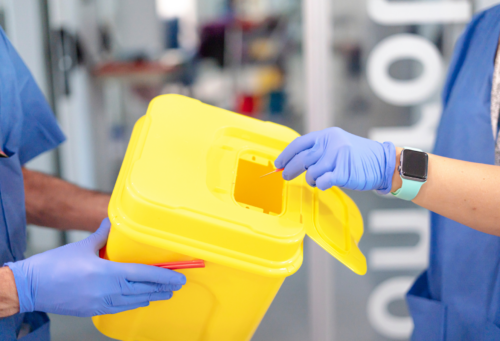
Veterinary practices often have many different kinds of hazardous waste that need to be disposed of. Knowing how to do so safely often requires knowing which resources to consult for each type of waste and how local and federal laws govern waste disposal.
Clinical
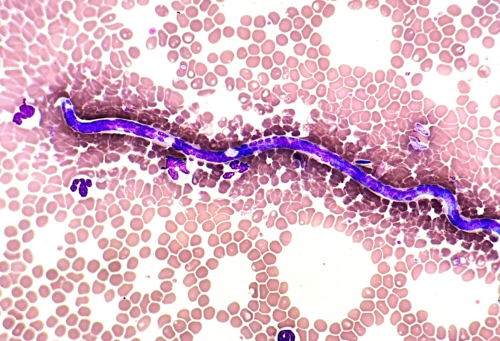
A breath-based diagnostic test is currently being developed to detect heartworm disease earlier as infections continue to rise nationwide. Learn what researchers have discovered and why this testing method may be a suitable alternative to blood tests.

Clinical
The 2026 AAHA Diabetes Management Guidelines for Cats are here! These feline-specific guidelines will help primary care teams navigate this complex disease with a full understanding of how the disease presents differently in cats, how to recognize at-risk patients, what clients need to know, and more.

Client Communication
Lyme disease, heartworm, ehrlichiosis, and anaplasmosis are expanding into regions that have historically been low risk, raising a new set of questions for veterinary teams. We know the map is changing, but are clinical protocols, client conversations, and everyday assumptions keeping pace with it?
Clinical
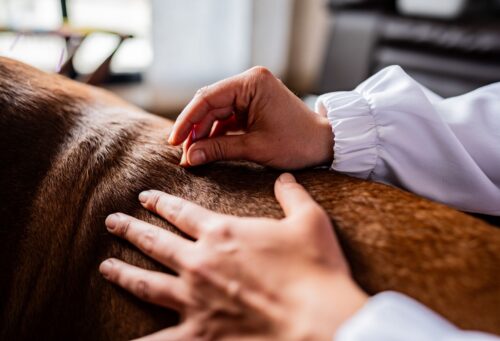
Curious about veterinary acupuncture? Intimidated by what feels like a whole new language? You may be surprised by just how science-based this modality is.
Clinical
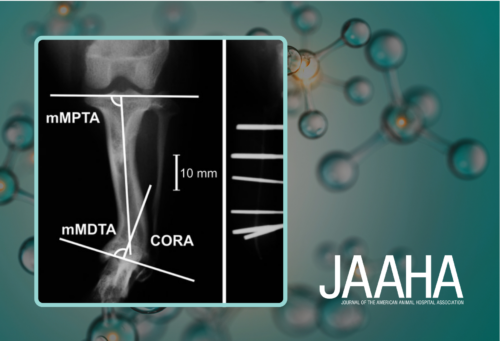
A recent report in JAAHA describes the surgical correction of a pes varus deformity in a 13-month-old miniature dachshund using free-form bilateral multiplanar external skeletal fixation.

Clinical
Diabetes in cats is different than diabetes in dogs and requires a different approach to treatment and management. In recognition of these distinct differences, the upcoming version of AAHA’s Diabetes Guidelines separates the species into two guidelines. Task force co-chair Renee Rucinsky, DVM, DABVP (Feline Practice) shares a few aspects of these guidelines that she believes will help every veterinary professional with diabetic feline patients—noting that today’s understanding of the disease and treatment may require a shift in thinking.
Clinical
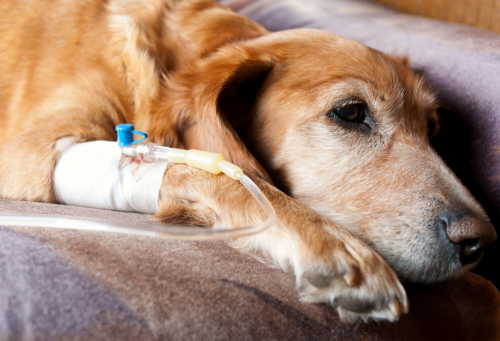
A new canine plasma product, canine freeze-dried plasma, is now available for use in dogs who need a plasma transfusion. Learn more about when to consider this product versus other plasma formulations, how to reconstitute and administer, and necessary precautions for use.
Clinical
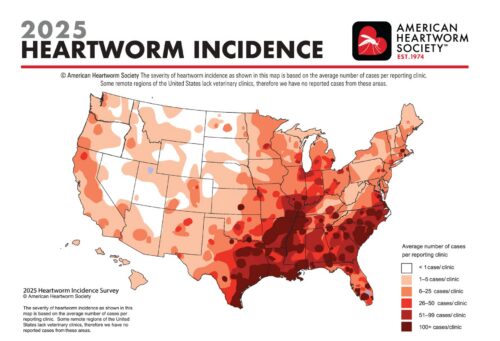
The latest American Heartworm Society heartworm incidence map is out, and it shows some concerning trends of increased heartworm infections areas beyond the traditional hot spots.
