Clinical
One Health and HPAI H5N1: The role of veterinarians
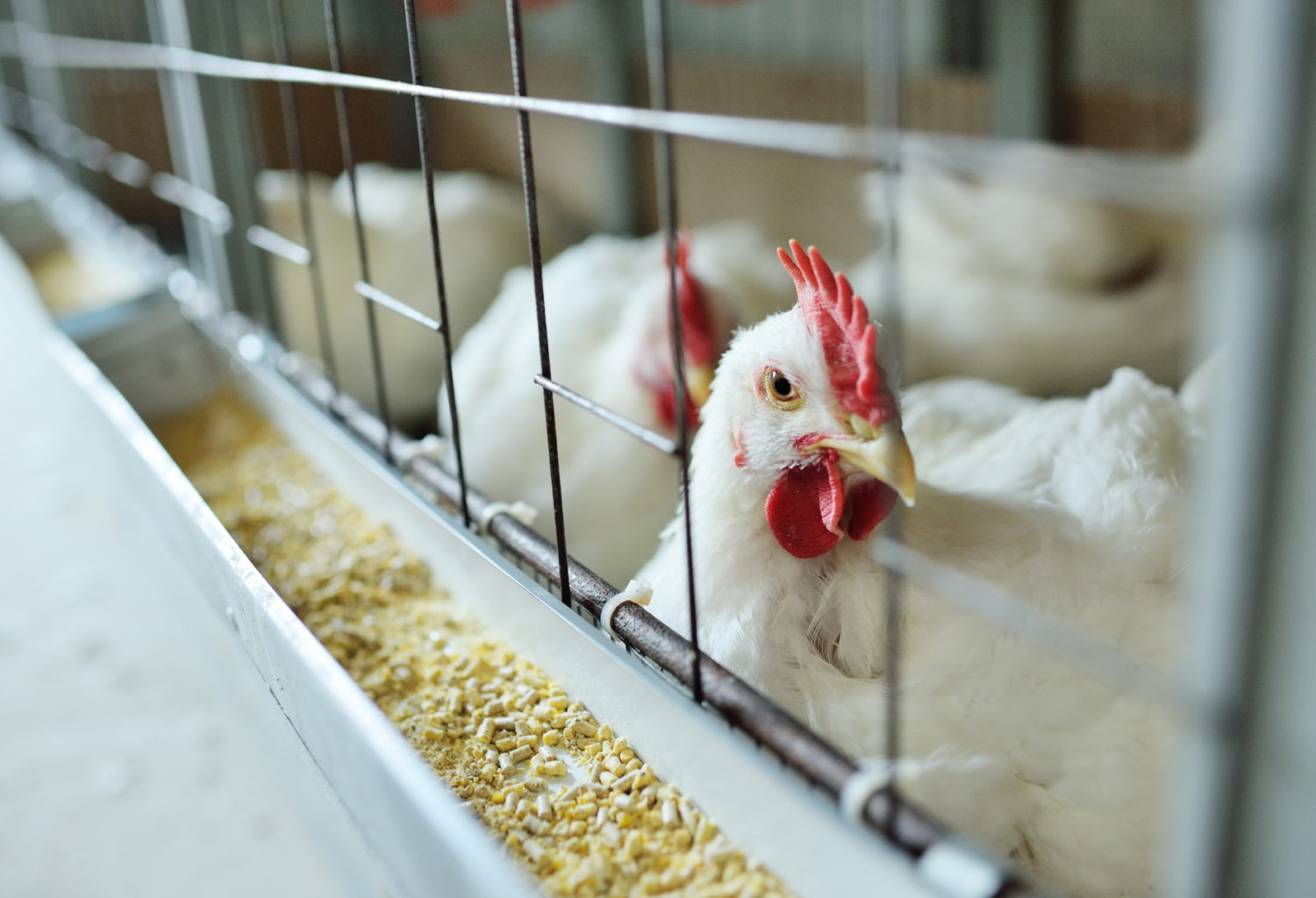
As a veterinarian, you play a crucial role within One Health as a front-line detector of emerging zoonotic diseases. You may be the first to encounter novel zoonoses in animals, and among the first people to be exposed.
Advertisement
In recent weeks, we have shared many recommendations on best practices in dealing with H5N1. Here, we examine how those topics can be applied more broadly to improve readiness against other zoonotic diseases like HPAI H5N1.
A Brief Recap: HPAI H5N1
HPAI H5N1 has received much attention recently due to its status as a pathogen with pandemic potential and its expanding host range, which may heighten the risk of transmission to people. It has infected poultry, wild mammals, dairy cattle, and domestic cats, with growing concerns about its increasing adaptability to mammalian hosts. However, it is far from the only zoonotic agent that veterinarians have or are likely to face in this century.
Toxoplasmosis, rabies, and leptospirosis are some of the zoonotic diseases you may have encountered in your practice with companion animals. Human outbreaks of viruses like Nipah and Hendra overseas have also been tied to animal hosts, while cases of Mpox in the U.S. demonstrate the threat zoonotic agents can pose when animals are imported. As H5N1 and numerous other examples illustrate, zoonotic agents have the potential to cause major outbreaks that threaten both animal and human health.
Previous articles in this series on HPAI H5N1 have outlined how you can manage suspected and confirmed cases of H5N1 and strengthen readiness, particularly in your role contributing to the disease surveillance system. While these recommendations focus on HPAI H5N1, the general principles of interdisciplinary collaboration, risk reduction, and infection control are broadly applicable to other zoonotic threats you may encounter.
Fostering interdisciplinary collaboration: Taking a One Health approach to practice
H5N1 has shown us how multi-sector collaboration is essential for effective detection and response. Veterinarians play a crucial role in the surveillance of emerging zoonoses diseases. Ensuring your hospital has protocols for when and how to reach out to public health and human health professionals, how to communicate about public health concerns to clients, and how to protect staff health are just a few ways in which zoonoses require a One Health approach.
During our spring webinar, clinicians shared concerns about how to build networks with public and animal health officials not only for H5N1–-but for any potential zoonoses. Key contacts for managing zoonotic and reportable diseases include:
- State public health veterinarians
- State animal health officials
- Laboratories within the National Animal Health Laboratory Network (NAHLN)
One Health and Interprofessional Education (IPE) programs are used by veterinary and medical schools to build connections and encourage collaboration between disciplines. Develop relationships by emailing or calling your local officials to connect before an incident occurs can make addressing suspected zoonotic cases or exposures easier to manage. Health officials can often guide you on which laboratories will conduct zoonotic disease testing on an emerging pathogen. You may also want to connect with human health professionals working in infectious diseases in your area who you could contact regarding potential exposures. Building these connections now will ensure readiness and a clinical response truly grounded in the One Health framework, protecting both animals and people.
Reducing risk
A patient with a zoonotic pathogen may present a risk of infection to other patients, to you and your team, and to the client. Identifying and understanding risks for zoonotic agents you routinely see or may see in your practice is the first step in ensuring biosafety.
A layered approach to risk reduction, described as the “swiss-cheese” model, is an effective approach to infection control, where multiple methods of risk reduction are used simultaneously to provide overlapping coverage. Any single precaution for infection control will have limitations, so using multiple approaches concurrently is necessary in reducing the risk of infection.
Among the most effective approaches are using personal protective equipment (PPE), disinfecting surfaces, having clearly written infection control protocols, and engineering controls like isolation measures and physical barriers. Strengthening PPE and hygiene practice is important–- not only for managing HPAI H5N1, but for improving preparedness against a wide range of zoonoses, including emerging infectious diseases.
The usage of PPE, such as goggles and disposable gloves, has been recommended when managing suspected cases of H5N1. However, remember that such safety precautions would also assist with infection control when dealing with any zoonotic disease. Despite this, adherence to PPE and biosecurity protocols in veterinary settings has historically been poor. We understand the challenge PPE can place on drawing blood, handling patients, and conducting procedures–these can be challenging with our animal patients even without PPE.
Nonetheless, they are essential for risk reduction and thus highly recommended. Hygiene must be another consideration; one 2024 survey published in the American Veterinary Medical Association journals found that fewer than half of veterinarians consistently wash their hands between patients or use PPE when treating animals. While ensuring PPE and hygiene practices are in place may be time-consuming, these steps are essential for protecting the health of veterinary staff and other animals in your care.
Similarly, routine disinfection of contaminated surfaces, the usage of written protocols for infection control, and engineering controls such as the isolation of suspected cases of H5N1 have all been recommended to reduce transmission risk. However, according to the same 2024 survey, many veterinary settings face challenges in adopting these practices, hampering safety and readiness to respond to cases of zoonotic diseases. Closing these gaps could improve preparedness for H5N1 and future zoonotic outbreaks.
One recommendation would be to work with your staff to develop an approach that works for your practice–using guidance such as the 2018 AAHA Infection Control, Prevention, and Biosecurity guidelines. You may also want to consider adding in routine evaluation–monitoring use of PPE or tracking handwashing on a periodic basis– to identify where lapses are occurring.
Ensuring HPAi H5N1 readiness
As demonstrated through HPAI H5N1, there are many steps that you and your team can take to improve readiness for any zoonotic disease.
- Develop clear protocols: Plans that outline responsibilities and how specific tasks should be completed can improve readiness for and response to a zoonotic disease event. Consider protocols for infection control, communication, and treatment, and tailoring these protocols to specific zoonotic pathogens when necessary.
- Practice and execute protocols: Written protocols are only effective if they are actively followed. Consider running drills or exercises as needed, and appointing people to oversee critical tasks and protocol compliance.
- Evaluate and revise protocols: Evaluate the effectiveness of your protocols after exercises or real-world application. Debrief with your team to identify what worked well and where improvements are needed. Revise and refine protocols to align with best practices and the realities of your clinical setting.
- Understand risk communication: Veterinary staff play a vital role in communicating information on risk to colleagues and clients. Discussions about zoonotic diseases with clients, explaining potential risk factors for infection and prevention strategies serve to both reassure and protect.
- Exercise risk reduction measures: Various forms of PPE and hygiene are recommended for veterinary staff working with possible zoonoses. Proper PPE, handwashing, and infection control measures such as disinfection help to keep workers safe.
- Coordinate with public health agencies and laboratories: Know which diseases are reportable, and how to contact the appropriate authorities. Guidance exists on what samples to collect, and the appropriate laboratory to send them to. Connect with key contacts such as your state veterinarian for additional information.
Staying up to date
Clinical practice does not allow a lot of time for staying up to date on infectious disease outbreaks and zoonoses. We wanted to share some resources–in addition to AAHA– that you may find helpful to know what is going on without substantial digging:
- Your local public health website
- CDC and USDA One Health websites
- One Health Commission resources
- World Health Organization One Health website
- World Organization for Animal Health
- University of Minnesota Center for Infectious Disease Research and Policy
- Worms and Germs Blog
Key takeaways on lessons learned from H5N1 that apply to other zoonoses
- Integrate a One Health Approach into your practice by developing relationships with public and animal health agency representatives, with laboratories handling zoonotic agents, and medical professionals working in infectious diseases in your area.
- Identify potential risks for spread of disease to your staff, patients and clients.
- Develop protocols that include multiple strategies for addressing those risks.
- Develop plans for handling cases when a suspect animal comes into your practice and conduct exercises to test/improve your plans.
- Stay up to date on current outbreaks.
Citations and resources:
- https://www.cdc.gov/bird-flu/avian-timeline/2020s.html?CDC_AAref_Val=https://www.cdc.gov/flu/avianflu/timeline/avian-timeline-2020s.htm
- https://www.cdc.gov/bird-flu/situation-summary/index.html
- https://www.science.org/doi/10.1126/science.adq0900
- https://www.idse.net/Emerging-Diseases/Article/04-25/How-Close-Is-H5N1-to-Reaching-the-Goal/76897
- https://www.ajicjournal.org/article/S0196-6553(24)00317-1/fulltext
- https://avmajournals.avma.org/view/journals/javma/262/7/javma.24.02.0105.xml?tab_body=fulltext
- https://www.sciencedirect.com/science/article/pii/S2352771424000934
| Species impacted: | Cases: | Where: | How is it transmitted/spread?* | What to look for: |
|---|---|---|---|---|
| Domestic cats | 139 in U.S. since 2022 | 23 states: CA, CO, IA, ID, IL, KS, LA, MI, MN, MT, NE, NJ, NM, NY, OH, OK, OR, PA, SD, TX, UT, WA, WY | •Eating infected birds & rodents
•Eating raw meat or poultry products/ commercial pet food or unpasteurized milk •Contact with infected cattle/poultry and their contaminated environments •Contact with infected people or contaminated clothing and/or infected people possible but not established |
•Anorexia
•Lethargy •Fever •Oculonasal discharge •Difficulty breathing •Neurologic signs (ataxia, circling, tremors, seizures, blindness). •Can be rapidly fatal; however, serosurveys have reported antibodies to H5 viruses in ~12% of apparently healthy stray cats |
| Dogs (companion) | 0 in U.S. | Canada
Washington study detected H5 and N1 antibodies in 2% of hunting dogs |
•Eating infected birds | •Anorexia
•Fever •Conjunctivitis •Cough •Difficulty breathing |
| Poultry (includes backyard chickens and ducks) | Detected in 1,704 flocks; > 173.11 million birds affected in U.S. since 2022 | 50 states & Puerto Rico (commercial and backyard flocks and live bird markets) | •Contact with infected poultry or wild birds
•Contact with contaminated equipment •Contact with infected people or contaminated clothing •Poultry trade promotes spread |
•Acute mortality
•Respiratory signs (sneezing, coughing, oculonasal discharge) •Edema of the face and cyanosis of combs and wattles •Diarrhea •Skin hemorrhages •Decrease in egg production •Neurological signs (tremors, stargazing, paralyzed wings) |
| Cattle | 1,072 since 2024 | 17 states: AZ, CA, CO, ID, IO, KS, MI, MN, OH, OK, NV, NM, NC, SD, UT, TX, WY | •Contact with infected animals
•Contact with contaminated milking equipment and clothing (large amounts of virus shed in the milk) •Exposure to infected wild birds (Nevada and Arizona)** |
•Many subclinical or mild infections (unlike poultry) making detection difficult
•Thickened, abnormal milk •Loss of appetite •Lethargy •Low-grade fever •Mild respiratory signs •Diarrhea (less common) |
| Swine | 2 cases since first detection in 2024 | 1 state: OR | •Contact with infected animals
•When infected by cows, unlikely to infect other swine •Fomites/contaminated equipment |
•Coughing
•Fever •Respiratory signs •Loss of appetite •Lethargy •Abortions |
| Sheep | 0 in U.S. | Reported case in England | •Exposure to infected birds | •Mastitis, with no other clinical signs, was reported in this case |
| Wildlife | > 500 species globally (485 avian and 48 mammalian species)
U.S. wildlife cases are reported by the USDA and U.S. Geological Survey |
50 states, Puerto Rico | •Consumption of sick prey (mammals and birds)
•Direct transmission & contact with contaminated environments (including virus in water) for wild avian flocks •Rare reports of transmission between wild mammals |
Clinical signs in sick wildlife are variable, but generally include neurologic and respiratory signs.
Sick wild birds can have: •Eye swelling •Change in color of iris •Respiratory signs (sneezing, coughing, oculonasal discharge) •Gastrointestinal signs (diarrhea) •Neurologic signs (tremors/seizures) The most common clinical signs in sick wild mammals are: •Neurologic signs (tremors/seizures and ataxia) •Respiratory signs (nasal and ocular discharge and dyspnea) |
| People | 70 cases in the U.S. in the past year | 13 states: CA, CO, IO, LA, MI, MO, NV, OH, OR, TX, WA, WI, WY | •No sustained human-human transmission
•Contact with sick cattle & poultry •One North American fatality had genotype primarily found in wild birds •CDC study detected H5N1 antibodies in 2% (3/150) of bovine veterinary practitioners |
•Conjunctivitis
•Fever •Cough •Sore throat •Runny or stuffy nose •Muscle aches •Fatigue •Shortness of breath or difficulty breathing •GI signs (diarrhea, nausea, vomiting - less common) •Seizures (less common) |
The numbers represent reported cases, not the actual number of affected individuals.
* Information on modes of transmission are suspected or verified based on reported evidence for each species. In general, avian influenza viruses can be transmitted through direct contact, indirect contact (e.g., contaminated surfaces), and inhalation.
**The HPAI virus initially detected in dairy cattle, H5N1 clade 2.3.4.4b genotype B3.13, was the only strain known to infect dairy cattle. However, in early 2025, two spillover events involving a different genotype circulating in migratory birds, D1.1, occurred in dairy cattle in Nevada and Arizona. Ongoing new introductions will complicate efforts to control the virus in dairy cattle, underscoring the importance of robust surveillance and prevention measures.
Photo credit: Kalinovskiy via iStock / Getty Images Plus
Disclaimer: Trends content is meant to inform, educate, and inspire by providing an array of diverse viewpoints. Any content published should not be viewed as an official stance, position, or endorsement by the American Animal Hospital Association (AAHA) or its Board of Directors.
