End-of-Life Care
Normalizing grief: How veterinary professionals can support grieving pet parents (and why they should)
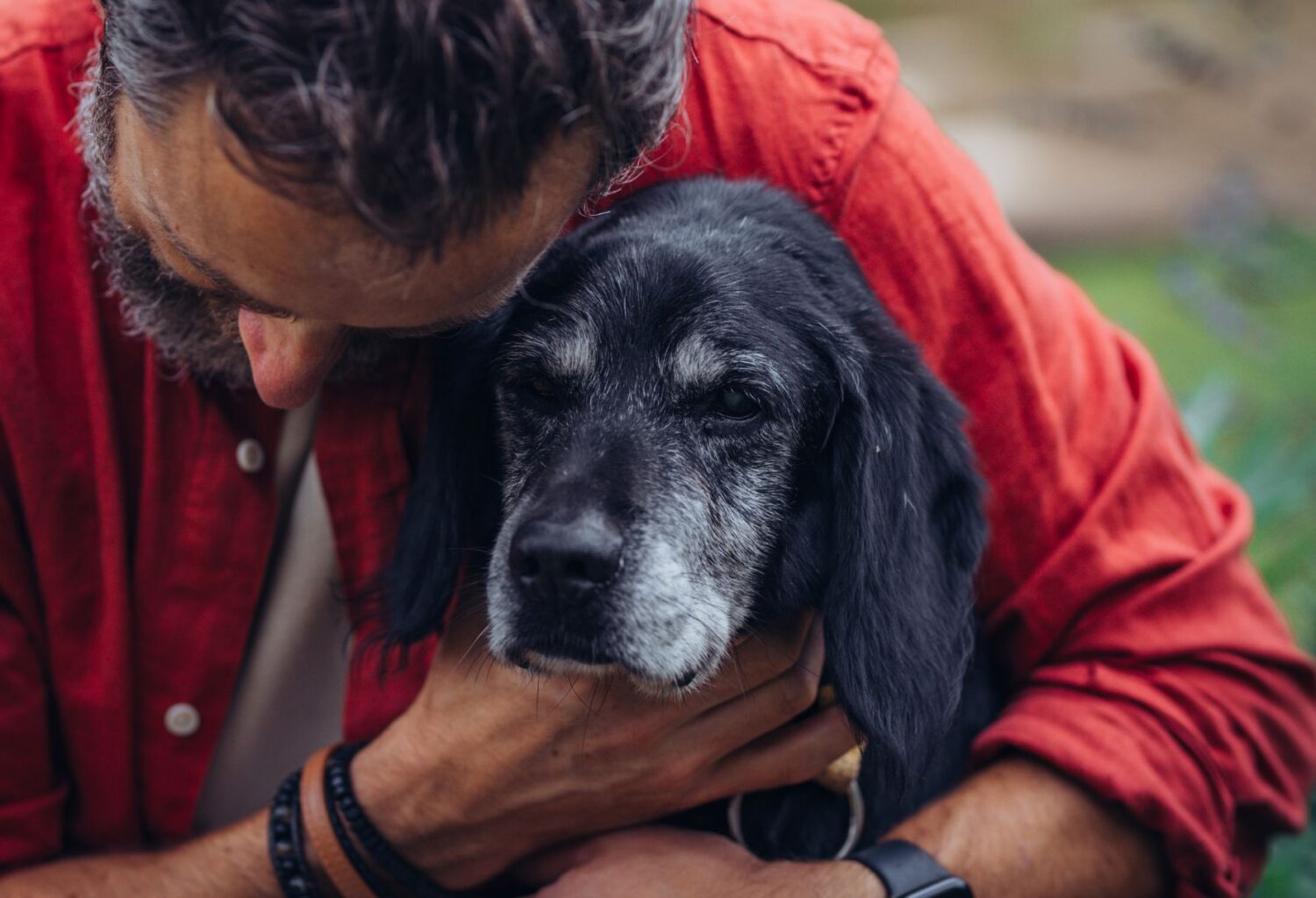
The grief that follows pet loss can be more powerful than caregivers expect it to be, and often, the veterinary team is the first to acknowledge the depth of that grief; sometimes, they’re the only ones to acknowledge it. With the help of several experts in the veterinary end-of-life care and grief support spaces, we’ve highlighted a few ways your team can offer these family members support—without needing to add “counselor” to your job description.
Advertisement
“I’ve never felt a level of grief like this in my life. And I lost my best friend when he was 18 years old. I’ve had my grandparents pass away, who were among my best friends,” said journalist Jesse Scott, reflecting on the recent loss of his dog, Sammy. “But this level of grief, in which someone has been with me every day, almost every waking second, was just something totally new.”
Those of us lucky enough to love a pet with our whole hearts generally experience the flipside of that coin when we say goodbye—and while it’s never easy, the experience itself can vary widely based on a number of factors.
Planned euthanasia for a pet who’s lived a long, happy life is different than the unexpected death of a young animal due to accident or illness. Pet parents who’ve loved and lost numerous pets in the past may handle the event differently than a first-timer. And other aspects of the client’s life—their financial and emotional bandwidth, other recent losses they’ve experienced, their cultural or religious beliefs, and the special relationship they had with this pet in particular—can all influence the way they process the loss.
Now, let’s be clear. Veterinary professionals can’t be expected to be grief counselors on top of their other duties (although, if you happen to have a veterinary social worker available to your practice, fantastic!). However, the fact is that dealing with grief is part of the game. If the people working in vet med don’t acknowledge grief—in all its forms—and at least provide basic support and resources for the clients experiencing it, some families may not know where else to turn.
AAHA EOLC accreditation
AAHA end-of-life care accreditation is available to AAHA-accredited practices with a dedicated end-of-life care department as well as to standalone (mobile or brick-and-mortar) end-of-life care practices. This accreditation recognizes and supports excellence in compassionate, respectful, and efficient end-of-life services, including palliative and hospice care, for both the patient and their family.
Why is the grief of pet loss an isolating experience?
Remember, not everyone has friends or family members who understand the depth of the human-animal bond, and, unfortunately, many people who open up about their grief over the loss of a pet are met with hurtful comments like, “It was just a dog. Can’t you get another?”
“The grief that follows pet loss is often deeper and more disorienting than people expect, and that surprise itself is part of what makes it so hard,” said Tyler Carmack, DVM, CVA, CVFT, CTPEP, CHPV, CVPP, Director of Hospice and Palliative Care at Caring Pathways, an AAHA EOLC-accredited practice. “Many people share that this loss is harder than that of a human loved one. Closely tied to that is the loss of unconditional love and companionship. Pets offer something genuinely rare: a relationship with no judgment, no conflict, no complexity. For many people, especially those living alone or going through a difficult season of life, that bond is irreplaceable.”
Data backs this up. A recent survey of 975 UK adults found that 7.5% of participants who had lost a pet met the criteria for prolonged grief disorder; the rate of severe, chronic grief over the loss of a human sibling is 8.9%, and for a human partner, it’s 9.1%. Additionally, among participants who’d experienced the deaths of both pets and humans, 21% said the pet’s death was more distressing.
Adam Greenbaum, founder of the pet loss community Love, Baxter, sees this every day in the comments and messages he gets from people coming to the website and social media accounts for support. “I wake up most days to somewhere between 500 to 1000 emails, and these messages are soul-crushing… I get 50 messages a day from people [with suicidal ideation], and I send them the 998 Lifeline and other resources,” he said.
Because pet grief may not be seen as “legitimate” by someone’s social or professional circles, the experience can be isolating, which exacerbates the pain. You and your team may literally be the only place a client feels they can turn with these intense emotions—and there are plenty of ways you can help them through it (without turning it into a part-time job).
The importance of preparatory conversations
Whenever possible, support should begin well before the pet’s final day. This holds especially true regarding senior pets and those with chronic or terminal illnesses. Providing families with treatment options and optimism is important, but too often, those families don’t engage in a conversation about what’s to come, and that can leave them feeling shocked, confused, and angry when their pet passes away.
“This is one of the most significant gaps in our training,” said Monica Tarantino, DVM, MBA, cofounder of Senior Dog Veterinary Society. “We are taught how to diagnose and treat disease, but we are not given a clear roadmap for guiding families through what aging actually looks like for their pet, or how to navigate the conversations that come with it… Most veterinarians learn this on the fly.”
Tarantino also noted that simply getting pet parents to acknowledge their pets as “senior” can be an issue in and of itself.
“One of the challenges we see is that many clients do not initially identify their dog as a senior, particularly if the dog still appears outwardly healthy,” she said. “Helping clients understand that aging is occurring, even in the absence of obvious decline, is an important part of our role. Starting these conversations earlier allows us to better support both the pet and the family over time.”
Greenbaum experienced this gap first-hand with his dog, Baxter, and it’s something he’s seeing frequently in the community of caregivers he’s brought together. “So many of these people talk about, ‘We were never prepared. No one ever talked to us about how this was going to go.’ I certainly was not,” he said. “We spent tens of thousands of dollars in five months fighting for Baxter’s life. I never once thought he was dying until the Saturday night before he died.”
Scott’s situation with Sammy, who’d battled congenital heart disease in his senior years, was quite different. “I vividly remember the discussions around, ‘Hey, your life is about to get interesting with Sammy,’” he said. Sammy’s primary care team and cardiologist talked to Scott and his wife about what to expect with the medications, how to support Sammy as his coughing increased, and, to the extent possible, shared a likely timeline for disease progression so the family knew what was coming.
The care journey required continuous learning on the family’s part, but, because of this proactive communication, Scott is now able to see Sammy’s life—including the late stages—in an overwhelmingly positive light.



Grief preparation starts with education
Educating caregivers is a pillar of the veterinary profession. After all, many practices provide special puppy or kitten packages for new pets and first-time pet parents. Granted, discussing geriatric and end-of-life issues may not feel quite as exciting, but it’s every bit as important.
Pet parents should be aware of how a disease generally progresses, what signs their pet might show that they’re declining, and how they can provide a compassionate end-of-life experience. (This does not necessarily mean euthanasia, but caregivers should know that a natural death should be supported with veterinary oversight and appropriate pain management.) These conversations could be an excellent opportunity for a technician who’s passionate about senior care to step up, answering questions, providing resources (such as those listed at the end of this article), and pointing families toward appropriate quality of life scales for their pets, if needed.
These discussions can help reduce one of the biggest challenges pet parents face when euthanizing a pet: guilt over whether they made the right decision. “They may feel they did it too soon—and sometimes too late,” said Mary Gardner, DVM, cofounder and CEO of Lap of Love. “Helping them before saying goodbye, using quality-of-life assessments, can really help mitigate that guilt.”
Quality of life scales
Caregivers can struggle to see just how much a pet has declined, but tools like quality of life scales and assessments can help them take a more quantitative view of their pet’s wellbeing—and track that over time to better understand what their pet is experiencing. Examples include:
Anticipatory grief
Anticipatory grief—or the experience of grieving a loss that hasn’t occurred yet—is common among caregivers of senior animals, but it often goes unrecognized, said Tarantino. And that’s a problem, because “it can shape how clients process information and make decisions,” she said. “Without that awareness, these clients can be perceived as difficult or indecisive, when in reality they are overwhelmed.”
This does not mean you need to act as their therapist, but it does mean that it’s important to acknowledge their experience, which likely includes fear and anxiety.
“…[S]mall, intentional actions go a long way. Acknowledging what the client is going through and normalizing their experience can change how that interaction feels for them,” Tarantino explained. “Clients may not remember every detail of the medical plan, but they will remember how they felt during some of the most difficult decisions they will make for their pet.”
Caregiver fatigue can also be a factor, leading to pet parents feeling guilty for not doing enough—or perhaps for feeling a measure of relief when they learn the end is near. This is an opportunity for veterinary professionals to practice family-centered care that takes the context of that family’s situation into account, by acknowledging the burden they’ve carried. There’s a reason why some veterinary quality of life scales, such as the JOURNEYS scale, includes “You” as a variable. Caregivers’ wellbeing counts, too.
Meeting in the moment
An end-of-life appointment may be a single square on the practice’s schedule, but for the family making that appointment, it’s likely one of the most difficult moments of their life. As busy as a team might be, it’s imperative that—from start to finish and beyond—these appointments are handled with the appropriate respect.
“I think many times, veterinary teams in busy practices struggle to truly slow down enough to meet families where they are at in that moment,” said Carmack. “I also see veterinary teams rely very heavily on non-verbal communication to express empathy towards the family, and I think they would see benefits in making a real effort to verbalize empathy statements to the family—from the scheduling phone call, to check-in at the front desk, to being in the room, and also when leaving the hospital.”
Chelsea McGivney, DVM, MBA, Executive Director of Operations of Caring Pathways, has worked to systematize this process, offering every family they serve a 30-minute session with their grief support specialist along with access to their online grief support portal where they can explore additional resources. At the beginning of a euthanasia appointment, families receive a booklet explaining the portal and are given the option to take home a workbook. “This allows families to work through their grief at their own pace, if and when they’re ready,” she said.
Avoiding common mistakes
When numerous team members are a part of the appointment, they must take the time to communicate with one another about what’s already been discussed with the family. “A family may hear one thing from the doctor, something slightly different from the nurse, and then get handed aftercare paperwork by someone who doesn’t know what was just discussed,” said Ken Yagi, MS, RVT, VTS (ECC), (SAIM), Chief Veterinary Nursing Officer at Veterinary Emergency Group (VEG). “That can make the experience feel fragmented at the exact moment when the family needs steadiness.”
The transition to an aftercare conversation is another place where it’s easy for things to go awry, he added. “Families may be asked to make cremation or memorial decisions when they are in shock. If the process feels rushed, transactional, or poorly explained, it can leave a mark.”
Adjusting for emergencies
This remains true even in an emergency situation, said Yagi, who firmly believes that support should start as early as possible, not after euthanasia.
“In an emergency hospital, families often arrive hoping we can fix the problem. Then, sometimes very quickly, they are facing a life-ending decision,” he said. “That is a very different emotional place than a planned end-of-life appointment. They may be shocked. They may feel guilty. They may be trying to understand medical information, cost, prognosis, and quality of life all at once.”
Anger, guilt, financial distress, and trauma can all play a role, he added, “especially when the case involves sudden collapse, respiratory distress, CPR, a young pet, or an accident. Some families are grieving the pet while also grieving the way the loss happened.”
This places unique demands on emergency teams.
“In the ER, we may meet the family for the first time during one of the worst hours of their life. We have to build trust quickly. We have to explain medical reality clearly. We have to help them make decisions under pressure. And we often have to do that while the rest of the hospital is still moving around us,” Yagi said. “That does not mean emergency teams care less. It means we need different habits. We need to slow down the parts that matter, even when the hospital is busy.”
Slowing down those important moments can have a massive impact on how the overall experience is remembered, he added. “If a family remembers confusion, fear, restraint, separation, or feeling rushed, that can become part of the grief. If they remember that their pet was comfortable, that the team was kind, that they were given time, and that the goodbye felt intentional, that can change how they carry the memory. The sadness does not go away. But the memory can feel less jagged.”
With all that in mind, Yagi shared that VEG is working on a pilot program called A Better Goodbye. “At its core, it is about giving pets, families, and VEG team members the most compassionate goodbye in their hardest moments,” he said. This includes “what happens before euthanasia is discussed, how the family is supported when the decision is made, what the patient experiences during those final moments, how the goodbye physically and emotionally unfolds, and how the team feels about the care they were able to provide. It also looks at what happens after. How do we help families cherish their memories? How do we support memorialization in a way that feels personal and not transactional? How do we provide bereavement and grief care without overwhelming families or repeatedly pulling them back into the pain of the loss?”
The program is a work in progress, he said, but stressed that “the goal is not to script grief or turn euthanasia into a checklist. The goal is to help teams create a goodbye that feels peaceful, clear, dignified, and true to why people enter veterinary medicine in the first place, and treating people like human beings.”
The business case for grief support
Supporting grieving pet parents isn’t only a feel-good policy. There’s also an argument to be made in its favor regarding ROI.
“After euthanasia, 14% of pet owners switched veterinary practices—and notably, 75% of those who switched had actually been satisfied with the euthanasia procedure itself,” Carmack said, noting that this means satisfaction with the clinical act alone isn’t enough to retain clients. “Research found a statistically significant negative correlation between grief intensity and clients’ perception that the veterinary team responded to their emotional needs—meaning the better clients felt emotionally supported, the less intensely they grieved and the more likely they were to stay.”
Gardner’s own research also identified the impact that euthanasia appointments can have on client retention. “We looked at over one million families that had pets that were euthanized at a clinic in the US,” she said. “If the family had other pets, their return rate to that clinic was 74.3% within two years. But if the family did not have any other pet, it dropped significantly to 9.78% return rate—meaning a clinic loses 90% of pet owners if they only had one pet. People assume it is because they don’t have any pets … but in two years, the vast majority of people get another pet.”
Conscious communication
This drives home the importance of creating—and maintaining—the VC part of the VCPR, which requires continuing to communicate after the pet has passed. But that communication must be thoughtful, or it could have the opposite of the desired effect.
“I think the follow-up piece needs to be handled carefully. Families should not feel forgotten, but they also should not be repeatedly pulled back into the hardest moment of their life by generic messages,” Yagi said. “Good support is not about more contact. It is about the right contact, at the right time, with permission and care.”
His point about generic messages is one Gardner feels strongly about, citing well-intentioned sympathy cards where everyone writes the same thing: So sorry for your loss.
“We can do better,” she said.
For Gardner, doing better involves sending an email the next day, a sympathy card (with personalized condolences) a few days later, and a thoughtful email on the year anniversary. “Ninety-nine percent of families appreciate this and do not mind the kind remembrance,” she said.
Greenbaum noted that his family was lucky in this respect, with many people sending them cards and flowers, and he specifically called out the MRI practice they’d worked with. “They sent us flowers and cards. Not just BS cards; they actually talked about Baxter, which was really important to me.”
An ongoing experience
The loss of a loved one—human, canine, feline, or otherwise—can impact an individual for weeks, months, and years to come. Each of those stages comes with its own challenges.
“One of the most common things I hear is how profoundly people miss the routine,” Carmack said. “Feeding times, walks, the sound of paws on the floor—these small, repeated moments become the architecture of a person’s day without them even realizing it. When the pet is gone, so is the structure. That absence can feel destabilizing in a way that’s hard to articulate to someone who hasn’t experienced it.”
She also put a name to something many people have gone through: the “shadow experience,” where you “catch yourself glancing at their bed, reaching down out of habit, or bracing for a greeting that doesn’t come. Those moments of phantom presence can be some of the most painful.”
Holidays, anniversaries, and other regular events in which the pet was present can also serve as reminders of the loss. For individuals like Scott, that can make nearly every activity a potential trigger.
“Sammy was very much my shadow,” Scott said. “He would join me at my office in Las Vegas, which was pet friendly. He’d sit on my desk and just hang out there… I’ve been working remotely since late 2015, and Sammy was always there with me, each and every day. I would take him to coffee shops around town, and he was just very much my coworker up until his passing.”
This is another instance where the veterinary team cannot be expected to provide individualized support for every possible trigger, but it makes clear the importance of pointing grieving caregivers toward resources they can rely on when needed.
Normalization and support
Normalizing grief—in all its forms—is the top recommendation among the experts interviewed for this article.
“What tends to help most, in my observation, is simply normalization,” said Carmack. “Many pet parents come to us already apologizing for how hard they’re taking it, embarrassed by the depth of their grief because our culture doesn’t always treat it as legitimate. One of the most powerful things we can do is look someone in the eye and say: ‘This is a real loss, your grief makes complete sense, and there is nothing wrong with how much this hurts.’ That permission alone can be profoundly relieving.”
Resources and coping strategies are well and good, but before those can be useful, folks need to be reassured that their pain is valid. “Often, we’re the first ones to offer them that,” Carmack said. “Sometimes we’re the only ones to offer this, and it can make a huge difference to that person.”
For Scott, who counts Greenbaum as a close friend, that normalization and support of his grief shaped how he experienced the loss.
“My mindset, in part thanks to the resources I’ve been provided, is much more zeroed in. It’s less on the what-ifs and more about how well cared for and loved our guy was during his lifetime,” he said. “The deepest moments now are just missing him. It’s like, what a cool guy he was—but also being appreciative that he lived such a long and happy life.”
The right resources
Caring Pathways provides the same grief resources to every client, regardless of how they appear to be coping—and that’s intentional, said Carmack. “We simply can’t know what’s happening beneath the surface if clients don’t share that with us… We’re not in a position to triage who ‘needs’ support, so we normalize offering it universally.”
For pet parents who are struggling to process their loss, perhaps in ways that impact their daily lives, Caring Pathways also offers additional support options.
“In those cases, our grief support specialist maintains a network of trusted professionals—such as licensed therapists and counselors—who may be a better fit depending on what a client is experiencing,” said McGivney. “We believe it’s important for veterinary teams to have access to similar referral resources. Keeping a curated list of qualified professionals allows teams to confidently guide clients toward additional support when needed, without feeling the pressure to have all the answers themselves. This not only helps ensure that clients receive appropriate, specialized care, but also protects the wellbeing of veterinary team members by setting healthy boundaries. Connecting clients with trained professionals who can support them through more complex or intense grief is, in itself, a powerful and compassionate extension of care.”
Assuming your practice doesn’t have a veterinary social worker or grief counselor you can refer clients to, having a variety of resources available (as printouts or on your website) is vital. What you specifically offer is up to you, but consider the following categories and recommendations:
Prior to loss
- Quality of life assessments/scales (listed in sidebar above)
- 12 things pet owners should know about end-of-life care for dogs and cats
- Making your pet’s last day special
- Love, Baxter: Preparing for pet loss
- Senior Dog Veterinary Society
After the loss
- Local grief counselors (who take pet loss patients) or support groups
- Love, Baxter: Navigating pet loss, Grief and emotions, and more
- Lap of Love Pet Loss Resource Center
- Cornell College of Veterinary Medicine Pet Loss Resources and Support
- Association for Pet Loss and Bereavement Support
And keep in mind that, while everyone grieves differently, most clients will appreciate knowing that their pet meant something to you, too. Memorializing patients in your practice, along with sincerely personalizing any condolences you send, sends the message that no matter how much they’re missing their best buddy, they’re not alone.
Main photo credit: Halfpoint /iStock via Getty Images
Disclaimer: Trends™ content is meant to inform, educate, and inspire by providing an array of diverse viewpoints. Any content published should not be viewed as an official stance, position, or endorsement by the American Animal Hospital Association (AAHA) or its Board of Directors.
