One Health and HPAI H5N1: The role of veterinarians
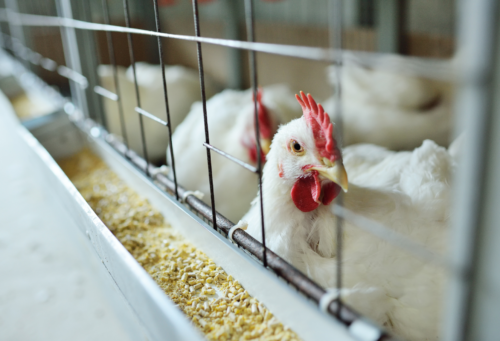
As a veterinarian, you play a crucial role within One Health as a front-line detector of emerging zoonotic diseases. You may be the first to encounter novel zoonoses in animals, and among the first people to be exposed.
Report suggests rattlesnake vaccines are in short supply. Are they essential?
Recent reporting alleges that certain areas of California are seeing a shortage of rattlesnake vaccines. But it’s important to note AAHA’s guidelines list this vaccine as non-core, highlighting that there is no published data that highlights the efficacy.
Considering cybersecurity: 9 ways to protect your hospital
Cyberattacks, ransomware, and data extortion attacks on businesses continue to make headlines, and veterinary hospitals have good reason to be concerned.
Expectation vs. reality: Does your day job in vet med meet your expectations?
When you first decided to enter veterinary medicine, what kinds of expectations did you have? And, when you look at your daily life in clinical practice now, how do those expectations stack up against your reality?
These are questions we asked in Phase 2 of our Stay, Please retention study, and understanding the differences between how various roles scored their reality compared to expectation is a key to improving staff retention in your practice.
Pyrethrins and pyrethroids: Educating clients on certain topical flea and tick products
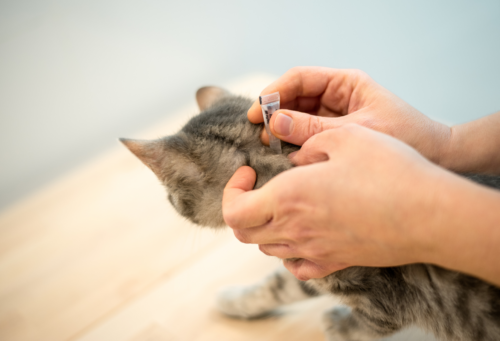
When it comes to pet parents purchasing over the counter flea and tick medication, it’s always important to remind them that not all medication is the same. Especially when they have multiple pets in the house. While our typical My Pet Ate series focuses on what goes in our pets, this one focuses on what goes on our pets.
Referral as a key to family-centered, collaborative care
When do you call a specialist for advice? In the experience of Bret Moore, DVM, PhD, DACVO, general practitioners often wait until a situation is bleak or they’re out of options to seek the help of a specialist—and that approach does a real disservice to the pets and people those doctors are trying to help.
“All the times that we’re not 100% sure on something? There could be a lot to be gained from that as well,” he said. “That’s where I’m taking a stance on collaborative care: That it should be done on a regular basis, not on a once a month dire, terrible case basis. I think our profession and everybody involved would benefit from that.”
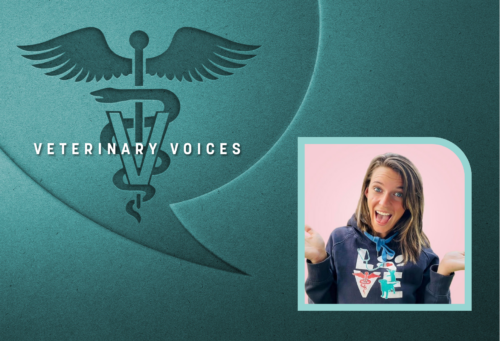
Meet Sarah Parsons, a licensed veterinary technician, mental health advocate, and social media content creator. Her humorous videos about life in veterinary practice bring laughter and connection to both veterinary professionals and pet owners alike. She has a special interest in advocating for the mental health of veterinary technicians and encouraging them to stay in veterinary medicine and not give up on their goals.
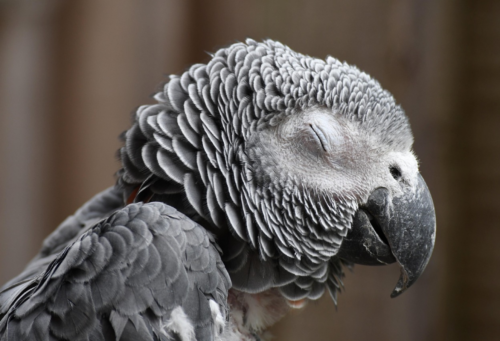
Not just a poultry problem: Navigating HPAI H5N1 in pet and aviary birds
While HPAI H5N1 may seem like a disease affecting primarily commercial poultry and dairy operations, the virus has increasingly made its way into companion animal practice—and it’s not just through backyard flocks.
Labby digs into the data: Cost of care cited as reason pet owners skip vet visits
For this month’s Dear Labby, I’ve been sniffing around some data and dug up some interesting statistics on finances—and how they’re impacting pet health in the U.S.