JAAHA Commentary: Clinical expertise and corporate consolidation
As veterinary medicine continues to evolve, this Special Commentary poses a fundamental question: can financial success and clinical excellence truly coexist—and who should be leading the profession into the future?
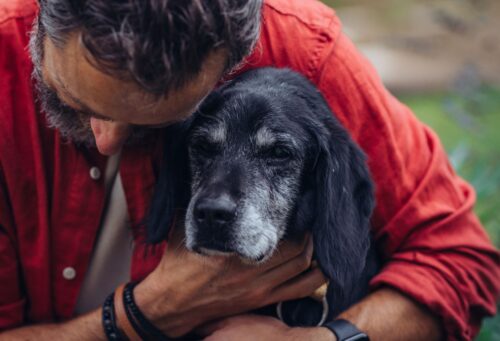
Normalizing grief: How veterinary professionals can support grieving pet parents (and why they should)
The grief that follows pet loss can be more powerful than caregivers expect it to be, and often, the veterinary team is the first to acknowledge the depth of that grief; sometimes, they’re the only ones to acknowledge it. With the help of several experts in the veterinary end-of-life care and grief support spaces, we’ve highlighted a few ways your team can offer these family members support—without needing to add “counselor” to your job description.
Veterinary receptionists: Managing tasks, emotions, and more
Veterinary receptionists are often the first voice pet owners hear when they’re scared, confused, or desperate. They guide clients through difficult, emotional conversations, and they often act as a bridge between the care team and the pet’s family.
If you’ve ever thought that this crucial role “just” answers the phone, this first-person view from AAHA’s own Alice Bayless will help you better understand all the tasks veterinary receptionists handle. Because, truly, there’s no “just” about it.
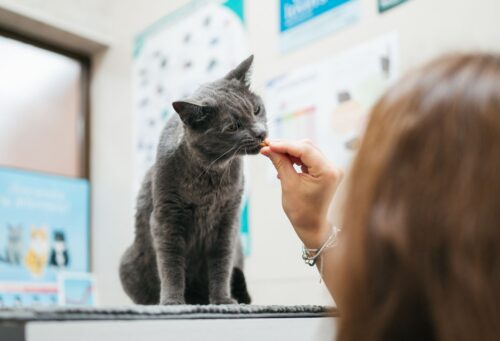
Stress-reducing care and safer veterinary workplaces
Occupational injury is the most common danger for veterinary professionals, with animal-related injuries, particularly bites and scratches from dogs and cats, ranking among the most commonly reported. By using stress-reducing care techniques with patients, staff can not only make veterinary visits easier on the animals, but safer for staff, too.
Tiered pricing for veterinary exams and consultation fees can help provide patients with the care they need, better organize your practice’s schedule, and add more value to your time.